
A widespread cyberattack targeting airline check-in and boarding systems has caused major disruptions at several key European airports, notably London’s Heathrow, Brussels, and Berlin. The incident — attributed to a fault in the MUSE (Multi-User System Environment) software supplied by Collins Aerospace — left electronic check-in kiosks, baggage drop functions, and other automated passenger processing operations nonfunctional. Despite the breakdown, airports shifted quickly to manual procedures to manage the fallout.
While the full scope of flight cancellations remains under investigation, initial figures include dozens of departures cancelled and many more delayed. Brussels Airport reported the most serious impact, with several flights cancelled or rerouted, and others delayed by more than an hour.
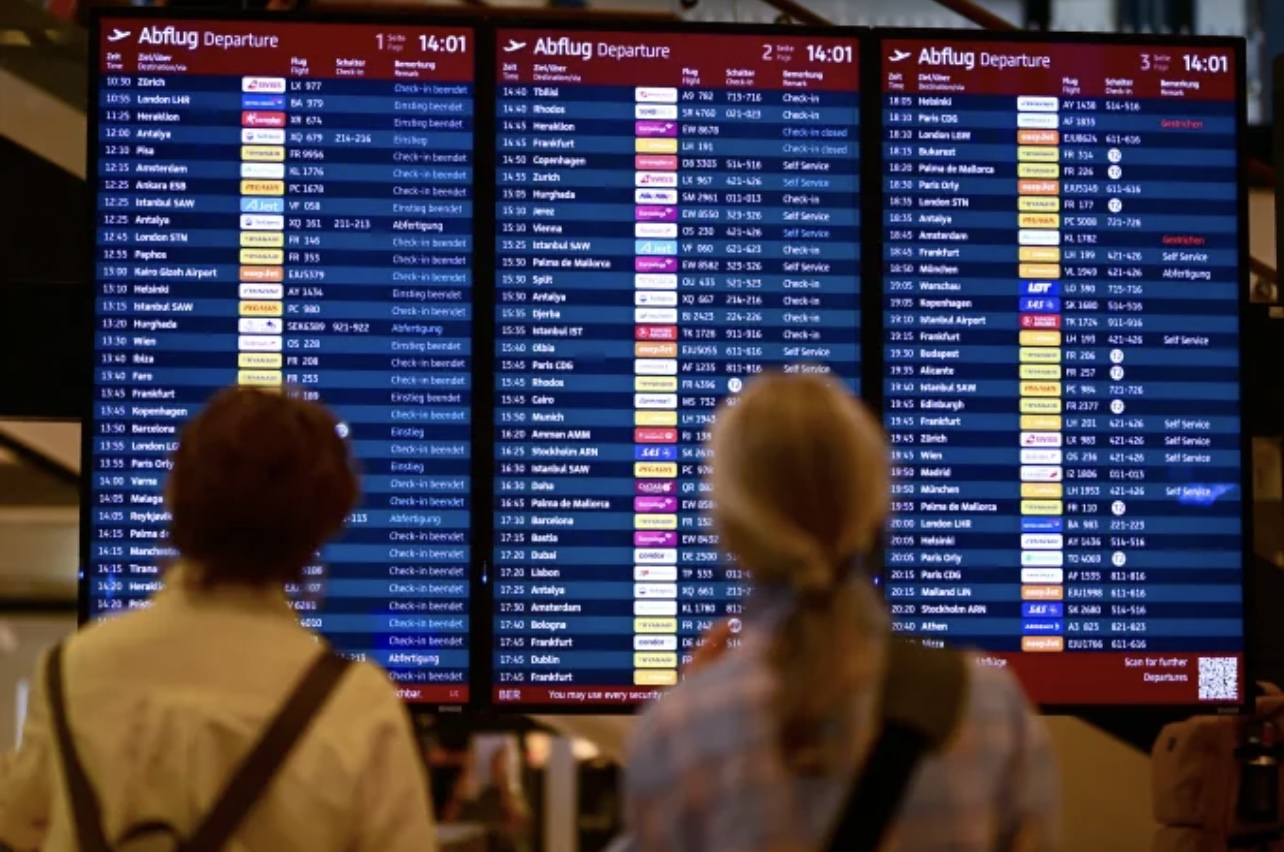
Heathrow’s disruption was described as “minimal” in comparison, though long queues were observed as airport staff handled check-ins and baggage manually. Passengers have expressed frustration over limited information and the slower pace of airport operations under manual processing.
Experts say the attack underscores an emerging and dangerous trend: the vulnerability of critical infrastructure when key third-party service providers are compromised. Because many airlines and airports depend on shared systems, a failure in one vendor’s software can ripple quickly across multiple hubs. This kind of supply-chain exposure, especially in aviation, raises questions about resilience, regulatory oversight, and the need for contingency planning. Governments and aviation regulators in Europe are reportedly coordinating investigations, while airports are reviewing their cybersecurity protocols to prevent similar incidents in the future.


 English