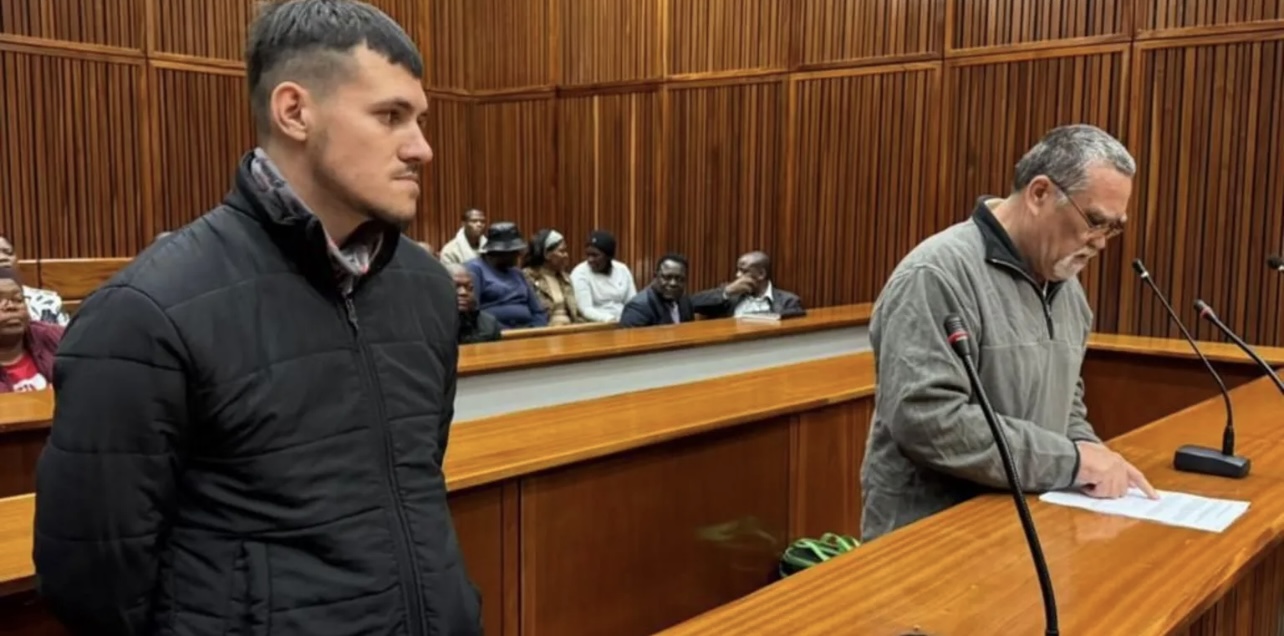
A farm supervisor has told a South African high court he was ordered to dispose of two women’s bodies by throwing them into a pigsty after they were shot on a farm in Limpopo in August 2024, prosecutors said. The testimony is part of an ongoing murder trial that has provoked national outrage and renewed debate about violence, race and rural insecurity in South Africa.
According to court testimony, 20-year-old farm worker Adrian de Wet — who has since become a state witness and had charges against him dropped — said the farm owner, Zachariah Johannes Olivier, and another worker fired on people who had entered the farm looking for food and then ordered him to put the bodies in the pig enclosure to “dispose of evidence.” The killings occurred on or about 17 August 2024, near Sebayeng outside Mankweng, in Limpopo province.
The victims have been named in court filings and press reports as Maria Makgato (reported aged mid-40s) and Lucia/Kudzai Ndlovu (reported mid-30s). A man who accompanied them survived after being shot and managed to raise the alarm; the women’s decomposing remains were discovered in a pigsty several days later. The three accused — Olivier, de Wet and William Musora — face charges including murder, attempted murder and possession of an unlicensed firearm; Musora also faces immigration-related charges.
Court proceedings resumed in Polokwane in early October 2025, with prosecutors presenting graphic evidence and testimony about the alleged shootings and the subsequent attempts to destroy evidence. Coverage by international and local outlets says de Wet’s cooperation with prosecutors is central to the state’s case, and cross-examination was scheduled to continue.
The case has sparked strong public reaction across South Africa. Civil society groups and opposition politicians have condemned the alleged killings and the reported method of disposing of the bodies, calling for a thorough investigation and stern penalties if the accused are convicted. The South African Human Rights Commission and other groups have warned that the incident exacerbates tensions over land, race and the treatment of rural workers.
Legal analysts say the trial touches on several sensitive issues in South Africa — violent crime, access to land and food, and long-standing racial and economic inequalities in rural areas. Prosecutors must prove who fired the fatal shots and whether orders to dispose of the bodies were given with criminal intent; defense teams have yet to present their full case in the high court.
The trial schedule and any further testimony are being handled by the Limpopo High Court; reporters at the scene say more witnesses and evidence are expected as the state continues to build its case. International and local outlets are continuing to follow proceedings.


 English