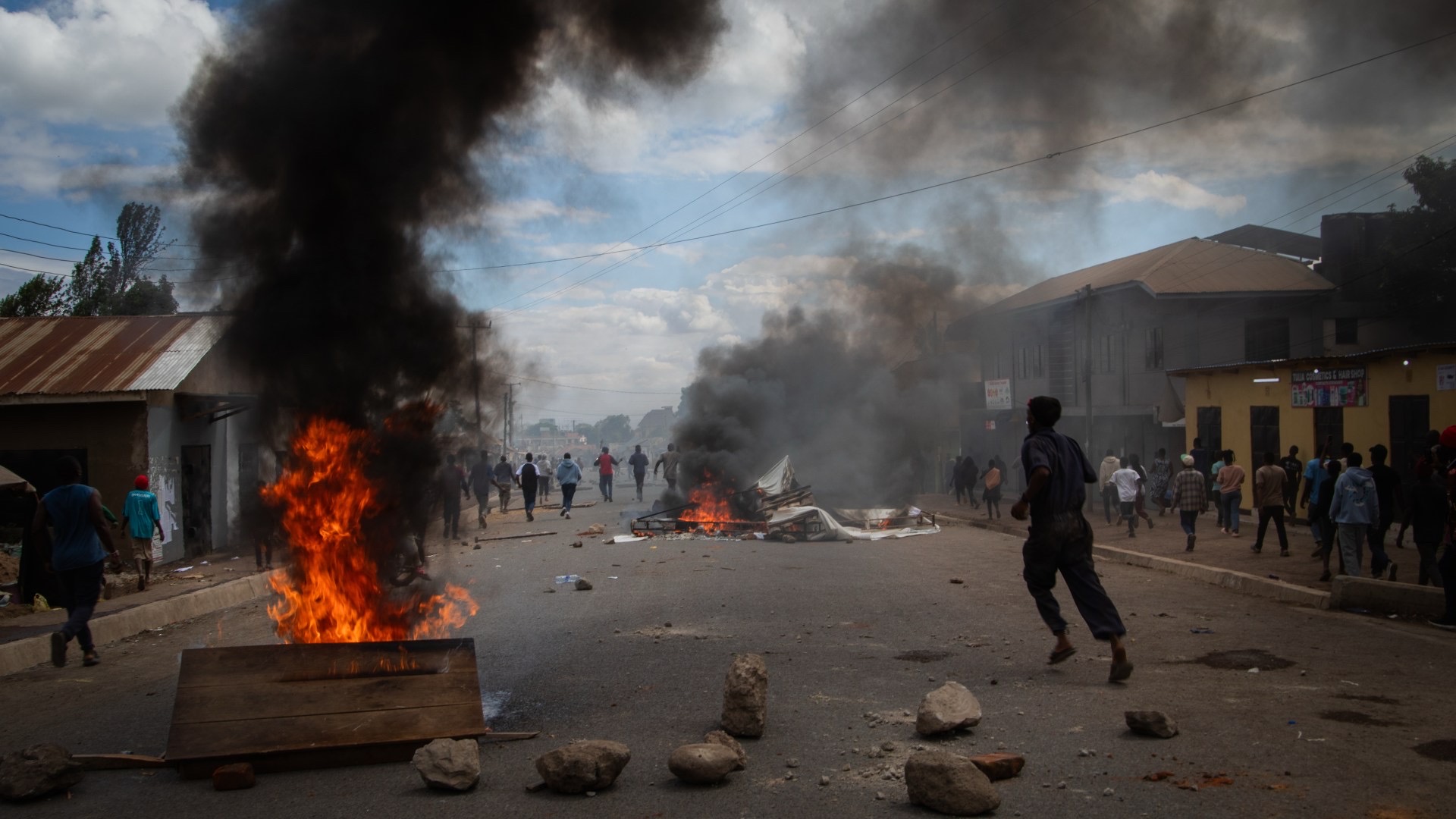
A sweeping wave of unrest has erupted across Tanzania as the country’s October 29 general election took place under a cloud of protest, mass mobilization and heavy-handed security response. Tens of thousands of Tanzanians poured into the streets of major cities and towns, expressing fury at what many see as a rigged vote and an election process skewed heavily in favour of the ruling party.
In the commercial capital of Dar es Salaam the mood turned explosive as hundreds of mainly young people defied a heavy security presence, chanting “we want our country back,” tearing down campaign banners and setting fire to vehicles and petrol stations. Authorities responded by imposing a curfew from 6 p.m., deploying soldiers and tanks to key junctions, and shutting down internet and mobile data services nationwide. The government said these steps were needed to restore order; rights groups argue the heavy security response risks deepening the crisis.
The underlying cause of the unrest is a contested electoral environment. Major opposition figures, including Tundu Lissu, leader of the main opposition party CHADEMA, are either jailed, charged with treason or barred from the ballot. Many voters reported that polling stations were empty in the morning, signalling both low turnout and a deep scepticism about the integrity of the vote.
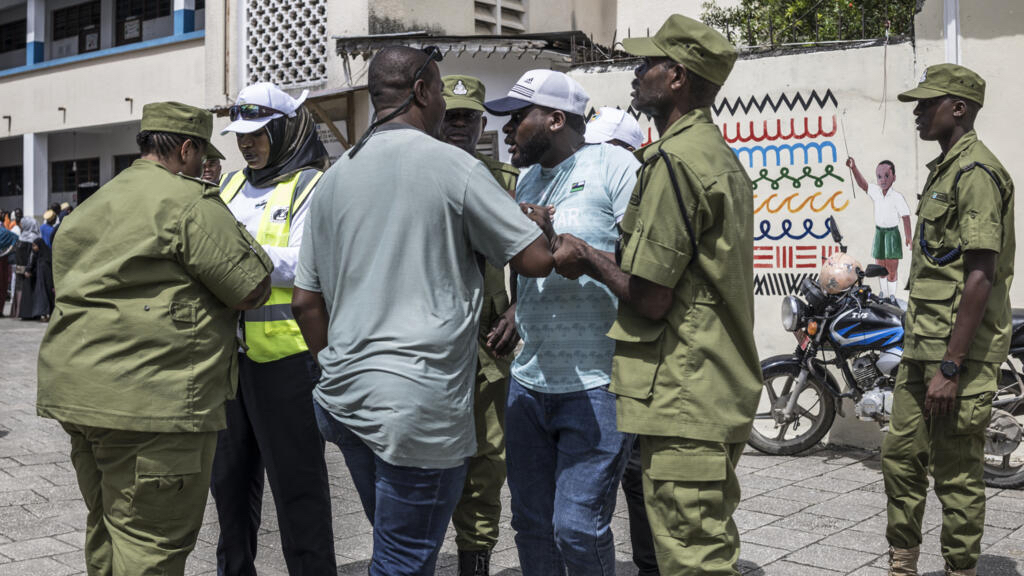
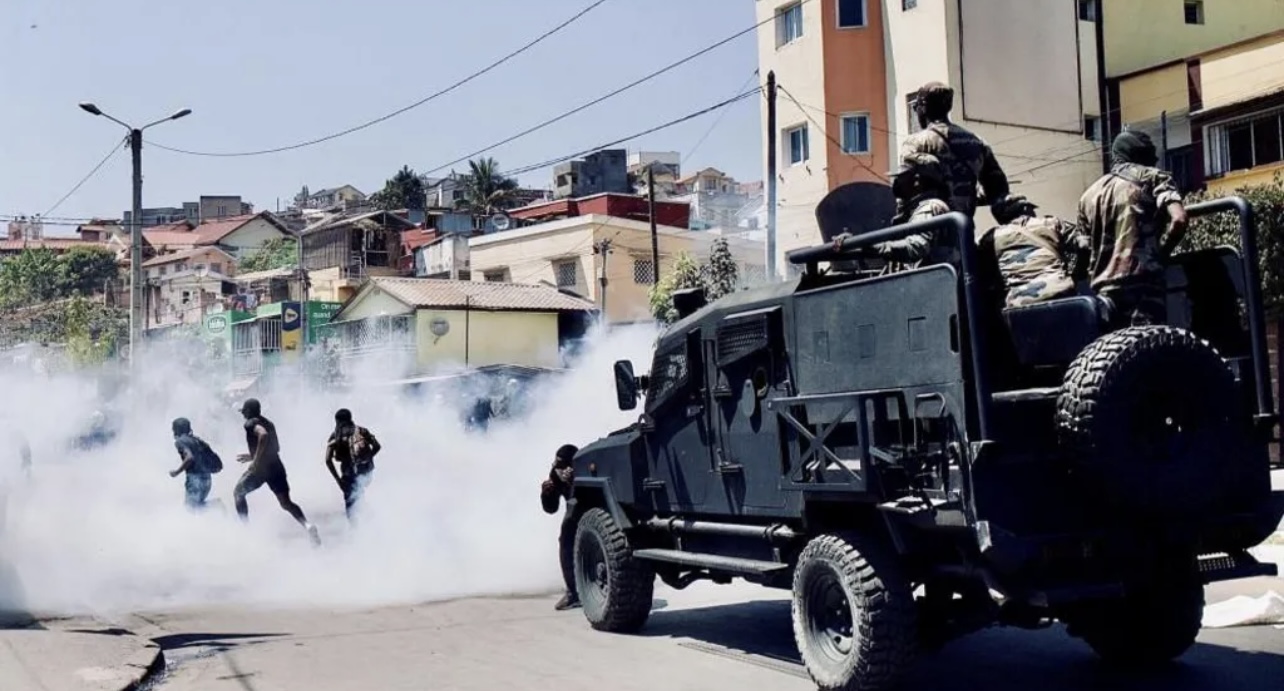
As the day progressed, protesters clashed with police and military alike. Tear-gas and live rounds were fired in some neighbourhoods. At least one civilian and one police officer are confirmed dead; human rights organisations warn the real death toll may be higher. Meanwhile, the internet shutdown dramatically reduced the flow of real-time information, raising concerns among journalists and international observers about transparency and human rights.
Internationally the election has drawn significant criticism. The European Parliament, Amnesty International and other bodies described the conditions as “neither free nor fair,” citing the exclusion of genuine opposition candidates, abductions, media suppression and a climate of fear. Domestically, the ruling party Chama Cha Mapinduzi (CCM) — in power since independence in 1961 — insists it is following legal procedures and called on citizens to vote. But for many Tanzanians the election has become a flashpoint for long-standing grievances: lack of political choice, economic frustrations, and suppression of dissent.
Over the coming days the situation remains tense. With military vehicles in the streets, curfews in place and communications clipped, verifying events independently will be difficult. The electoral commission says results will be announced in due course, but observers warn that stability, legitimacy and the country’s democratic future are all at stake.
 English