
Survivors of Hurricane Melissa described scenes of desperation on the southern coast of Jamaica on Friday as rescue teams scrambled to reach isolated communities, distribute supplies and assess a death toll that is expected to rise. In parts of St. Elizabeth and neighbouring parishes, residents said they had not yet received aid and were running out of food, water and basic medicines.
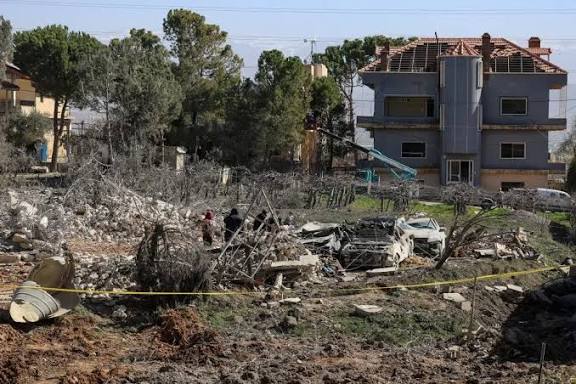
The Category 5 storm described by officials and international agencies as one of the most powerful to hit the island in modern memory smashed roofs, flooded streets and left tens of thousands without electricity and safe water. Authorities reported widespread damage to homes, critical infrastructure and health facilities, with entire neighbourhoods in some towns left roofless and impassable roads hampering relief efforts.
“People are hungry… we have no nappies, we have no food, we have no water,” one resident told reporters from a devastated community near where Melissa made landfall, summing up the immediate humanitarian needs facing the most-affected areas. Local shelters are overcrowded and medical supplies are short in places where hospitals and clinics were themselves damaged.
International and regional organisations have mobilised. The UN World Food Programme said it was coordinating logistics, emergency food and cash assistance across Jamaica and neighbouring islands, while humanitarian flights and military convoys attempted to deliver water, blankets and medicines to hard-hit towns. Officials warned that damage to roads, bridges and communications would slow the pace of distributions.
Government officials acknowledged the scale of the challenge and said search-and-rescue operations were ongoing. The prime minister and emergency agencies appealed for calm while prioritising areas with trapped survivors and places where hospitals had been damaged. Several international partners signalled readiness to provide aid, and the United States said it stood prepared to assist.
Local volunteers and charities were already organising community kitchens and collection points, but leaders warned that without faster, large-scale relief deliveries some communities could face extended shortages. Beyond immediate needs — food, water and shelter — health experts cautioned about the risk of infections where wounds remain untreated and standing water persists.
As recovery efforts begin, authorities said damage assessments will continue and urged residents to follow official guidance about safe return to damaged homes. For now, many families remain displaced and anxious — raising an urgent plea felt across the hardest-hit parishes: basic supplies must arrive quickly to prevent the crisis from deepening.


 English