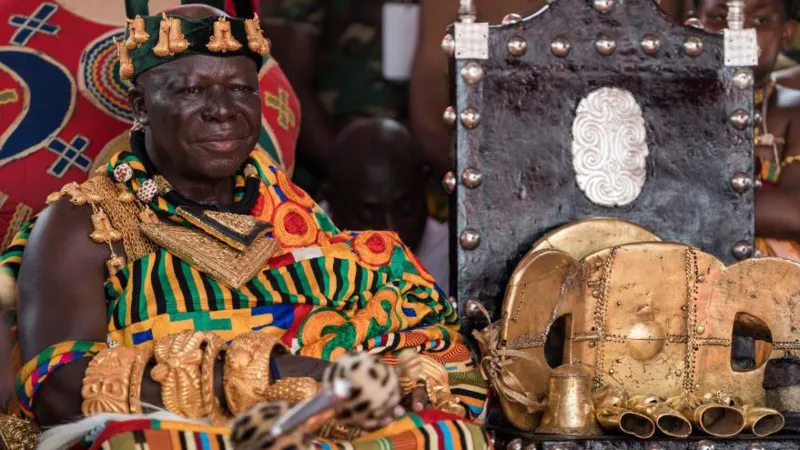
Ghana’s Asantehene, Otumfuo Osei Tutu II, has formally received a major consignment of historic Asante gold and bronze artworks that were taken from the kingdom during the colonial era or later traded on the open market. Some 130 items including royal regalia, ceremonial drums, swords and gold weights — were handed over to the Manhyia Palace Museum in Kumasi in a ceremony this week, the palace said.
According to palace and media accounts, the objects date from roughly the late 19th century through the early 20th century (with some described as 45–160 years old) and are regarded as central symbols of Asante governance, spirituality and identity. Many of the pieces were taken after Anglo-Asante wars and other colonial-era looting; others were later acquired by collectors and institutions abroad.
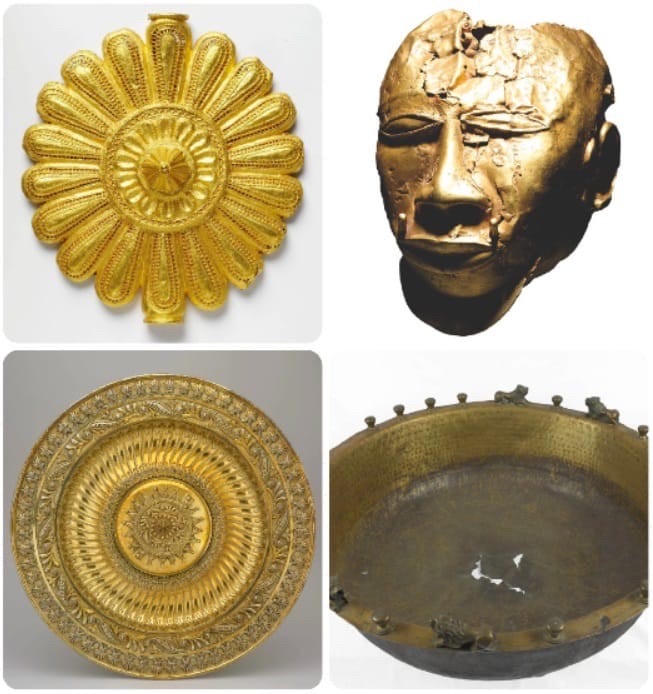
The returned items came from institutions and collections in Britain and South Africa. Around 100 of the pieces were reportedly delivered after being bought on the open market and returned voluntarily by AngloGold Ashanti, the mining company, while other items were provided by British museums or through arrangements with UK institutions. Officials said the handover was intended to strengthen cultural ties and correct historical wrongs.
At the handover, Otumfuo Osei Tutu II expressed gratitude to those who facilitated the restitution and urged that the objects be preserved, studied and made available to the people of Asanteman. Manhyia Palace’s museum will house the pieces for display and safekeeping, adding to recent returns and long-term loans of Asante material previously arranged with the British Museum and the Victoria & Albert Museum.
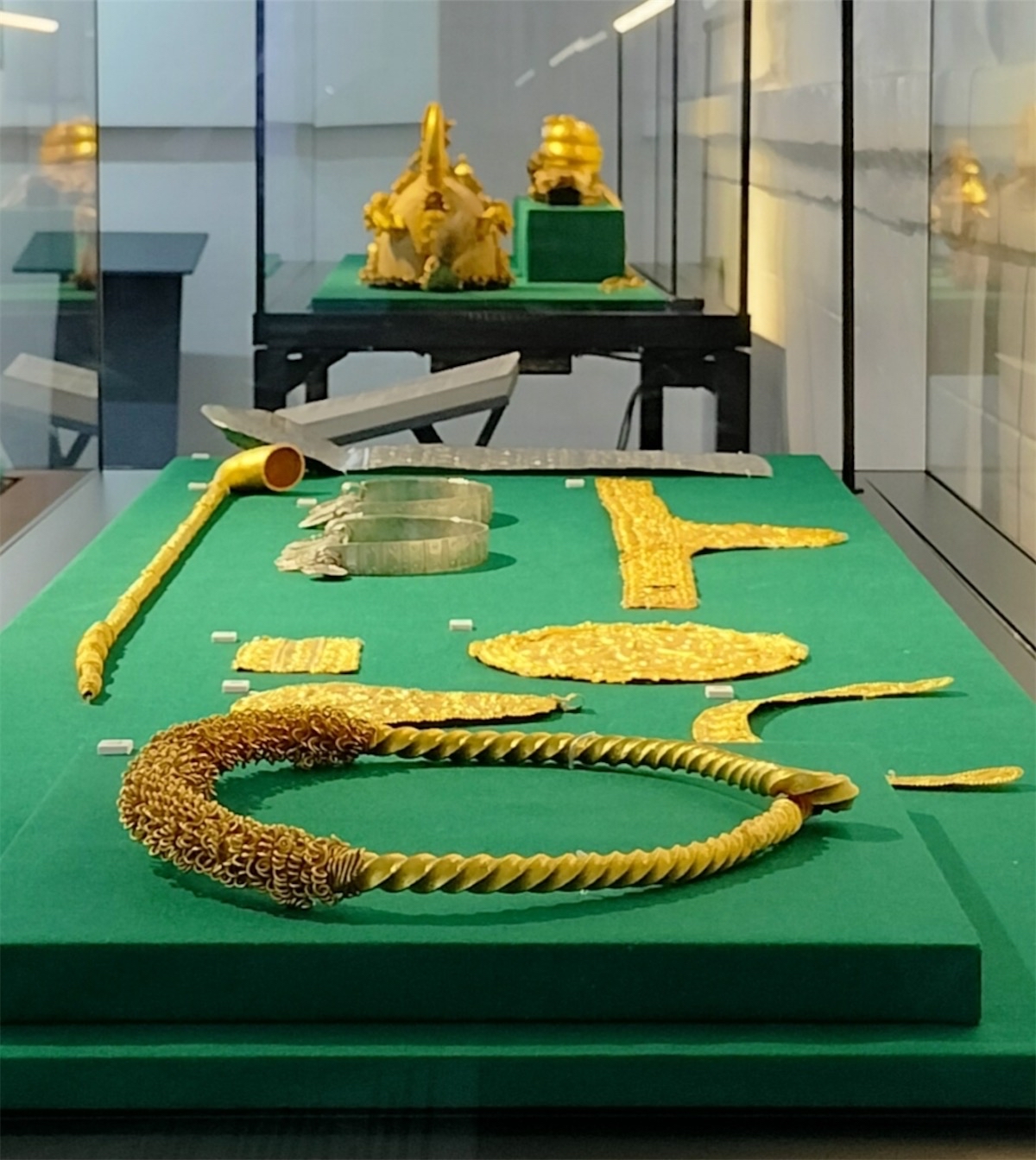
Repatriation of African cultural property has accelerated in recent years, with museums and private owners across Europe, North America and elsewhere beginning to return items seized during colonial campaigns or acquired under questionable circumstances. Ghana’s latest handover follows a string of earlier restitutions from US museums to UK institutions’ long-term loans and underscores growing pressure for permanent returns and collaborative museum partnerships.


 English