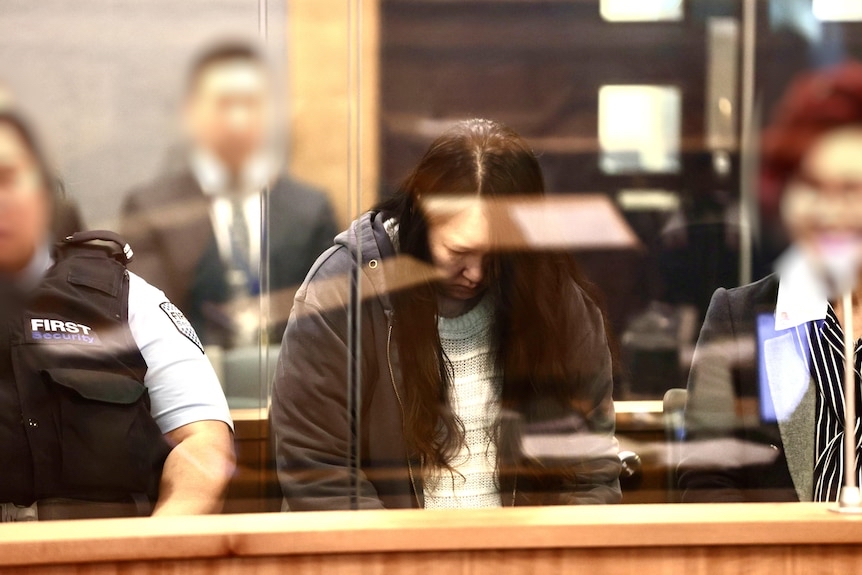
A New Zealand woman, Hakyung Lee, has been sentenced to life in prison for the murders of her two young children, in a case that has shocked the nation and been widely described as New Zealand’s “suitcase murders.” The 45-year-old, originally from South Korea, killed her children, Yuna Jo, aged eight, and Minu Jo, aged six, in 2018 by allegedly giving them a fatal dose of an antidepressant drug mixed into their juice. Following the killings, Lee wrapped the bodies in plastic, placed them in suitcases, and stored them at a rented storage facility in Auckland.
The case came to light in 2022 when the storage locker was auctioned off, and a family purchasing the suitcases discovered the remains, triggering a police investigation. After the murders, Lee changed her name and fled to South Korea, but she was later located and extradited back to New Zealand to face trial.
During her trial at the Auckland High Court in September 2025, Lee attempted an insanity defense, claiming she had been suffering from severe depression following the death of her husband in 2017. However, prosecutors presented evidence showing that Lee had taken deliberate steps to conceal the crime, including hiding the bodies, renting the storage locker, changing her identity, and fleeing the country. The jury found her guilty of murdering both children after just two hours of deliberation.
On 26 November 2025, presiding judge Geoffrey Venning sentenced Lee to life imprisonment, with a mandatory minimum non-parole period of seventeen years. The court also ordered that Lee be treated as a “special patient” under mental health legislation, meaning she will begin her sentence in a secure psychiatric facility before potentially being transferred to a standard prison, subject to evaluation.
Judge Venning rejected the claim that Lee’s actions were the result of a mind incapable of distinguishing right from wrong, stating that her planning and attempts to evade justice demonstrated deliberate and calculated behavior. The case has drawn widespread attention, both in New Zealand and internationally, not only because of the horrific nature of the crimes but also because it has reignited discussions about how the justice system handles cases involving serious mental health issues.
The tragedy has left the public and family members reflecting on the lives lost, noting that Yuna and Minu would now have been teenagers. While the court acknowledged Lee’s mental health struggles, it ultimately held her criminally responsible due to the deliberate steps she took before and after the murders.



 English