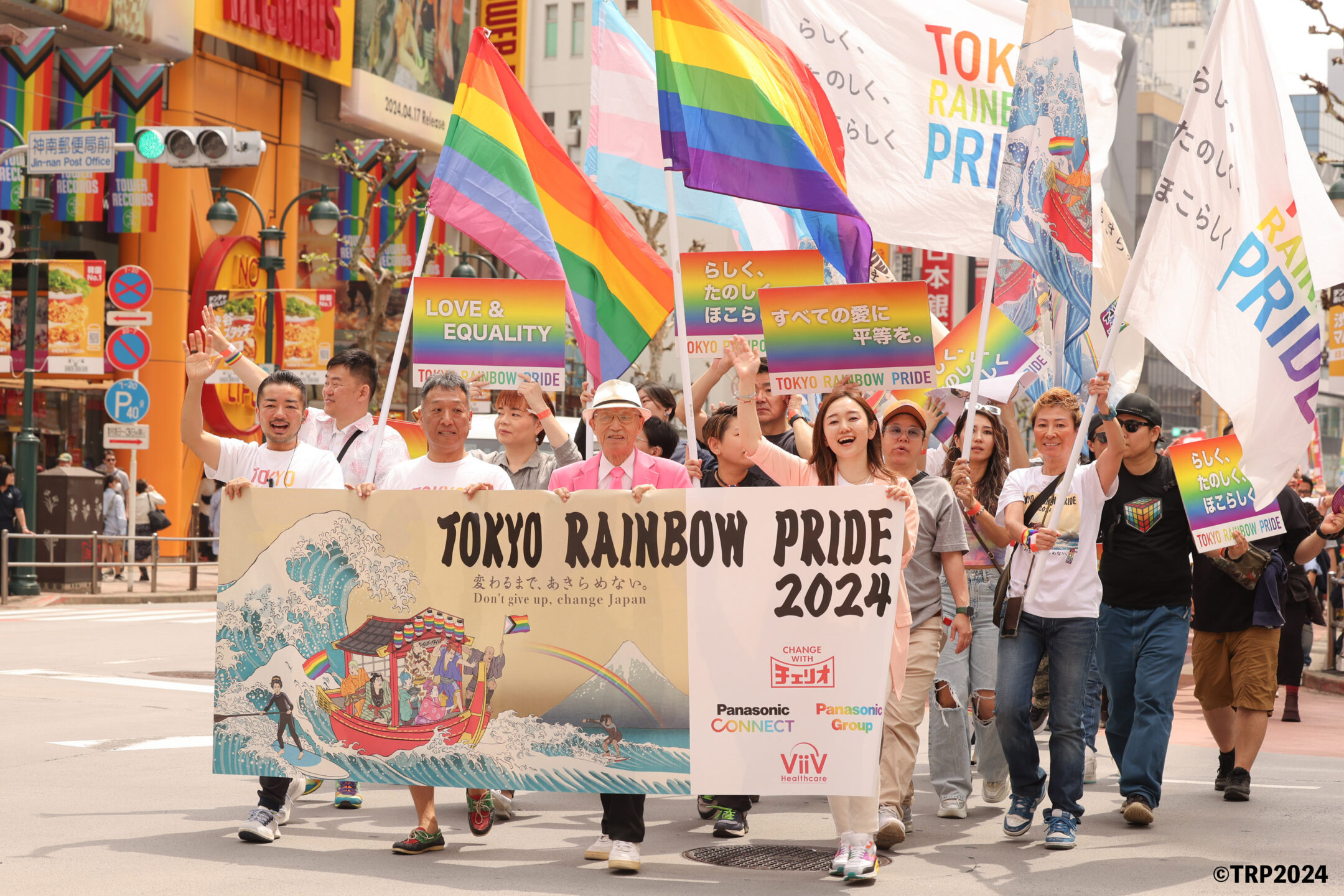
In a significant decision for Japan’s LGBTQ+ community and legal landscape, the Tokyo High Court ruled on Friday that the country’s ban on same-sex marriage is constitutional. The court overturned a prior district-court ruling, dismissing claims from eight plaintiffs who had sought damages for what they argued was discrimination — a demand of one million yen (about US $6,400) each was rejected.
Presiding Judge Ayumi Higashi wrote that under Japan’s current legal and social framework, defining marriage as between a man and a woman remains reasonable. The court held that the existing Civil Code and Family Register Act — which do not allow same-sex marriages — “cannot be deemed unconstitutional.” By this ruling, Tokyo becomes the only high court to uphold the ban, amid five other high-court decisions across Japan that found the ban unconstitutional.
Even as the decision delivers a setback for advocates of marriage equality, some of those same-sex couples and their supporters voiced deep disappointment. Several plaintiffs, speaking outside the courthouse, said they were outraged and vowed to keep fighting — with appeals to the Supreme Court of Japan expected.
The ruling arrives after years of legal challenges to Japan’s laws around marriage. Since 2019, multiple lawsuits have been filed in various district and high courts, with a majority of courts — including high courts in Sapporo, Osaka, Nagoya and Fukuoka — finding the ban violates constitutional guarantees of equality and dignity.
In reaction, human-rights organizations described Friday’s judgment as “a significant step backwards.” Many are now urging the national legislature (the National Diet) to enact permanent laws recognising same-sex unions — arguing that legal recognition cannot depend on inconsistent court rulings or local partnership certificates.
With all six pending high-court cases now resolved, legal experts and activists expect the Supreme Court to deliver a final, binding ruling. That decision could settle once and for all whether same-sex marriages will be legally recognised across Japan — or whether the nation will remain the only G7 country without full marriage equality.

 English