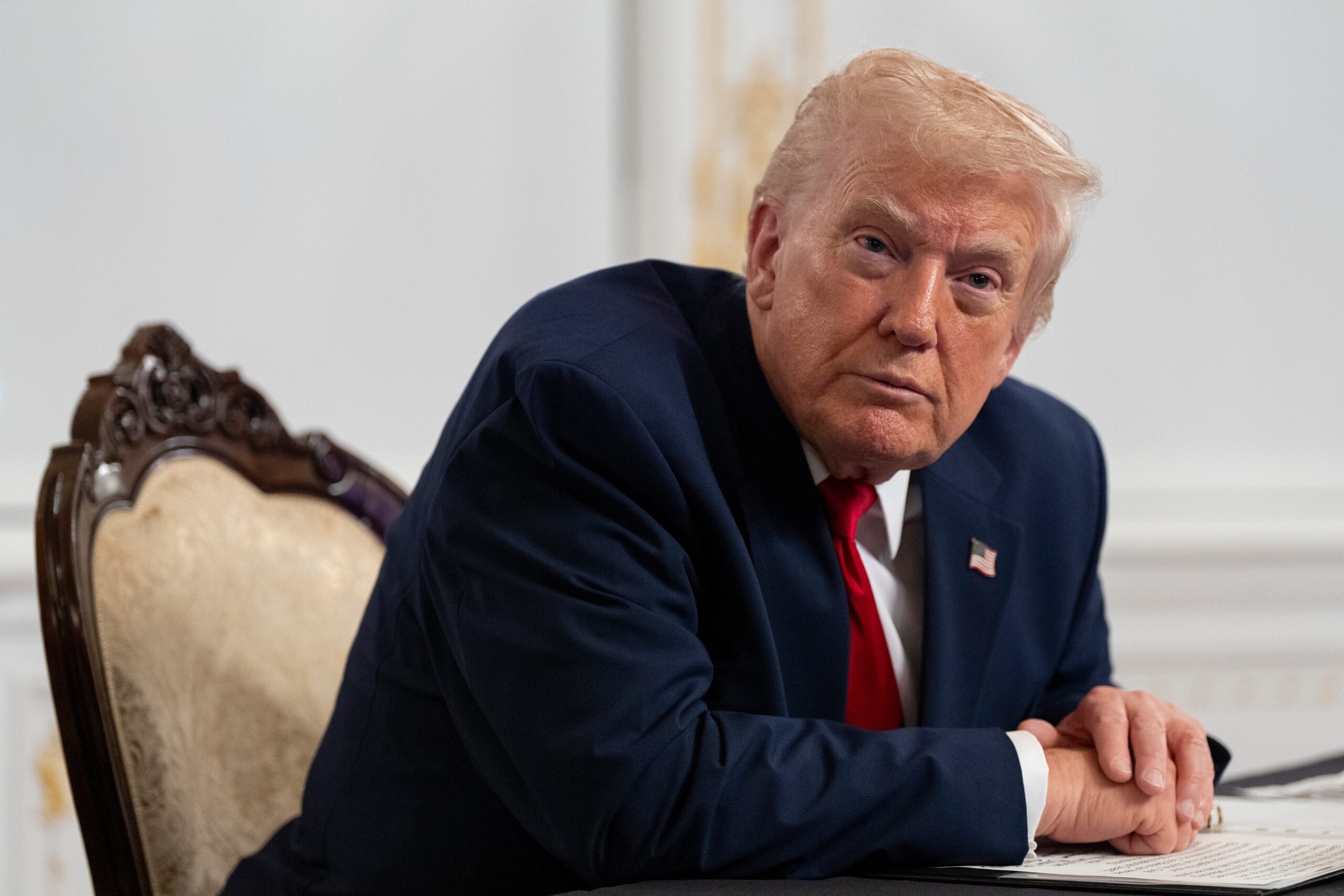
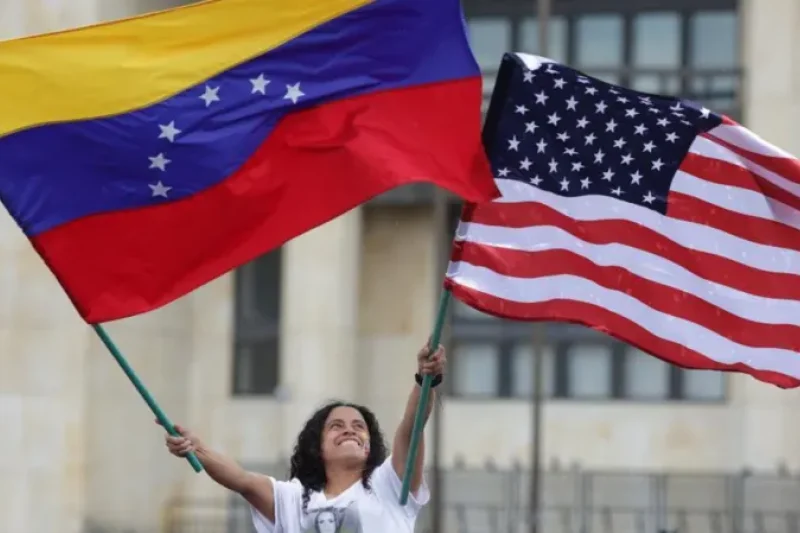
Venezuela has vigorously condemned the announcement by Donald Trump that the airspace above and around the country “should be considered closed in its entirety.” The declaration appeared on social media and urged airlines, pilots — and even drug traffickers and human smugglers — to avoid Venezuelan skies. The Venezuelan government denounced the comment as a “colonialist threat,” labeling it arbitrary, unlawful, and incompatible with international law.
In a statement, the country’s foreign ministry described the move as a hostile act undermining national sovereignty and demanded that the international community and multilateral institutions reject what Caracas called “an immoral aggression.” Venezuelan officials warned that such threats represent a dangerous escalation at a time when U.S. military activity near the country has already raised alarm.
The shock of Trump’s social-media post was heightened by the fact that U.S. authorities reportedly offered no formal directive or explanation to back up the closure order. Airlines and aviation experts underscored that declarations like this — made without coordination through recognized international aviation or regulatory bodies — sow confusion and risk undermining safety and civil-air operations in the region.
For many in Caracas, the announcement appears less about immediate enforcement and more as a symbolic show of pressure. Observers suggest it could be part of a broader campaign aimed at destabilizing the Venezuelan government, increasing tension — and possibly paving the way for further U.S. actions.
As the diplomatic backlash unfolds, Venezuelan authorities are calling on global actors to denounce the move and to defend the principle that no country has the right to unilaterally shut down another’s sovereign airspace.

 English