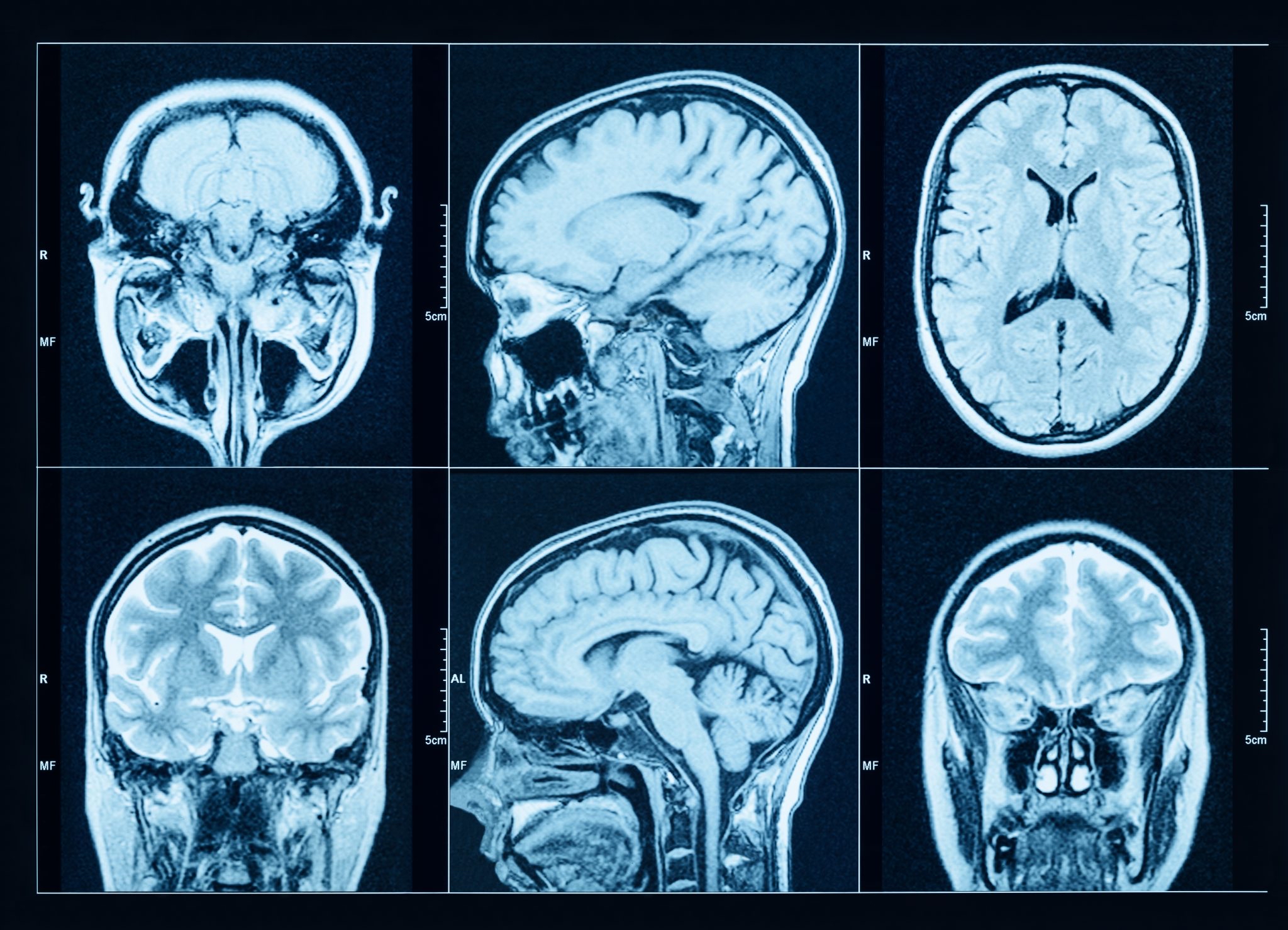
Parkinson’s disease, a progressive neurodegenerative disorder, is increasingly becoming a global health concern. Recent analyses suggest that the number of people living with Parkinson’s worldwide could more than double by 2050, reaching over 25 million. Experts attribute this rise primarily to aging populations and longer life expectancy, but environmental and lifestyle factors may also play a significant role. Exposure to pollution, industrial chemicals, and pesticides has been linked to a higher risk of developing the disease, raising concerns among public health authorities.
While Parkinson’s disease currently has no cure and treatments focus mainly on managing symptoms, specialists stress that preventive measures can help reduce the risk. Neurologists and epidemiologists recommend adopting lifestyle habits that support long-term brain health. Ensuring access to clean drinking water can help limit exposure to harmful chemicals, while improving indoor air quality through air purification may reduce the risk posed by environmental pollutants. Properly washing fruits and vegetables is also advised, as pesticide residues may contribute to neurological stress over time.
Maintaining regular physical activity is considered one of the most effective strategies. Daily walking, moderate aerobic exercise, or other safe routines help stimulate the brain and may protect the dopamine-producing neurons that are affected in Parkinson’s disease. Adequate sleep is equally important, as it allows the brain to remove toxins and repair neural circuits. Some research also suggests that moderate caffeine consumption, through coffee or tea, may offer additional protection against Parkinson’s by reducing oxidative stress in nerve cells.
Experts emphasize that while genetic factors play a role in Parkinson’s disease, many cases are influenced by environmental and lifestyle conditions, making preventive strategies essential. With the projected global increase, countries with aging populations, including those in sub-Saharan Africa, may face a growing burden of disease. Individuals are encouraged to take proactive steps to maintain brain health, even as scientific research continues to search for new therapies that slow or halt disease progression.
Ultimately, experts say that although Parkinson’s disease cannot yet be prevented entirely, adopting healthier daily habits can meaningfully reduce one’s risk and contribute to a better quality of life as people age.



 English