
Admiral Alvin Holsey, the commander of U.S. Southern Command, has officially retired, relinquishing leadership of the U.S. military’s operations in Latin America and the Caribbean amid mounting controversy over a series of lethal strikes on suspected drug-smuggling vessels. Holsey’s retirement ceremony took place Friday at Southern Command headquarters in Doral, Florida, where he handed command to his deputy, Air Force Lieutenant General Evan Pettus. Holsey, who has served in the U.S. Navy for more than 37 years, stepped down less than a year into what is typically a three-to-four-year posting. Southern Command is charged with overseeing U.S. military forces in most of Latin America and much of the Caribbean.
Officials and media reporting suggest that Holsey’s early departure followed months of disagreements with Defense Secretary Pete Hegseth over the conduct, legality and pace of U.S. military strikes in the Caribbean. The operations, which have targeted vessels the administration says are involved in drug trafficking, have drawn intense scrutiny from lawmakers, legal experts and human-rights groups who question whether the strikes comply with international law and established rules of engagement. Two sources familiar with the matter told CNN that Hegseth believed Holsey was not sufficiently aggressive in prosecuting the campaign, while Holsey and other Southern Command officials expressed concerns about the legality of the missions. Those tensions reportedly culminated in a tense Pentagon meeting in early October where Holsey offered to step aside.
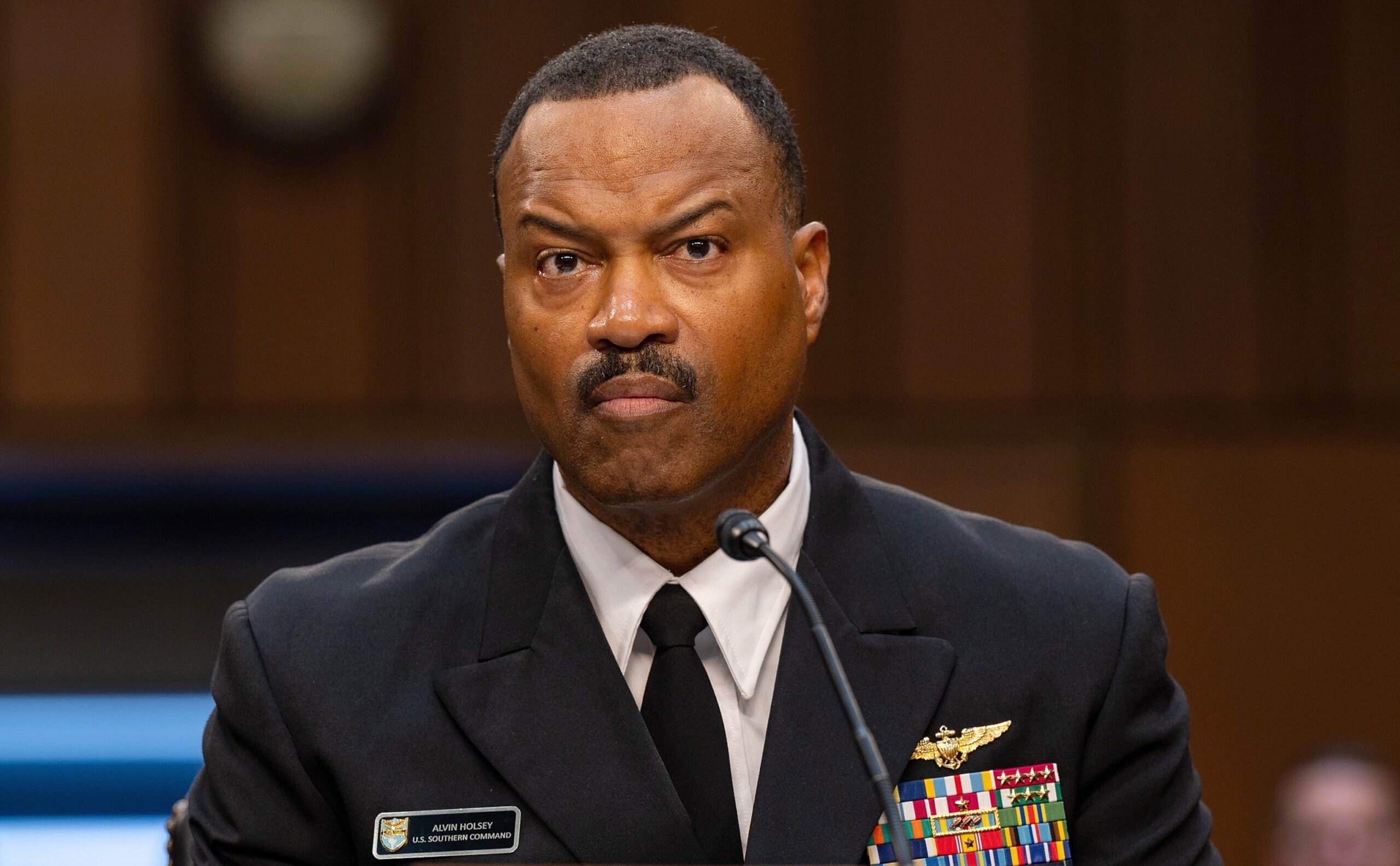
During his final remarks at the ceremony, Holsey made no explicit reference to the disputes over military operations but paid tribute to his family, colleagues and service members. “I’m reminded that in life, we don’t remember days, we remember moments,” he said, adding that those he led would remember how they were treated with dignity and respect. Pettus, who has been Holsey’s deputy, will serve as acting commander while a permanent successor is selected.
The retirements and leadership change come amid a broader restructuring of senior Pentagon leadership under Hegseth’s tenure, including other high-profile departures. The administration’s strategy in the Caribbean, which has included multiple strikes that reportedly killed dozens of individuals aboard suspected trafficking boats, has heightened tensions with regional governments and triggered increased congressional interest and oversight. Lawmakers have demanded detailed briefings on the actions and legal justification for the strikes, and questions persist about how the campaign fits within U.S. military doctrine.
The Biden administration’s successor government defends the operations as necessary to disrupt powerful transnational criminal networks and protect U.S. interests, but critics argue the strikes represent a sharp departure from decades of traditional interdiction practices and may expose U.S. forces to legal and diplomatic challenges. As Holsey departs, the debate over the military campaign and its oversight is likely to continue in both Congress and public discourse.


 English