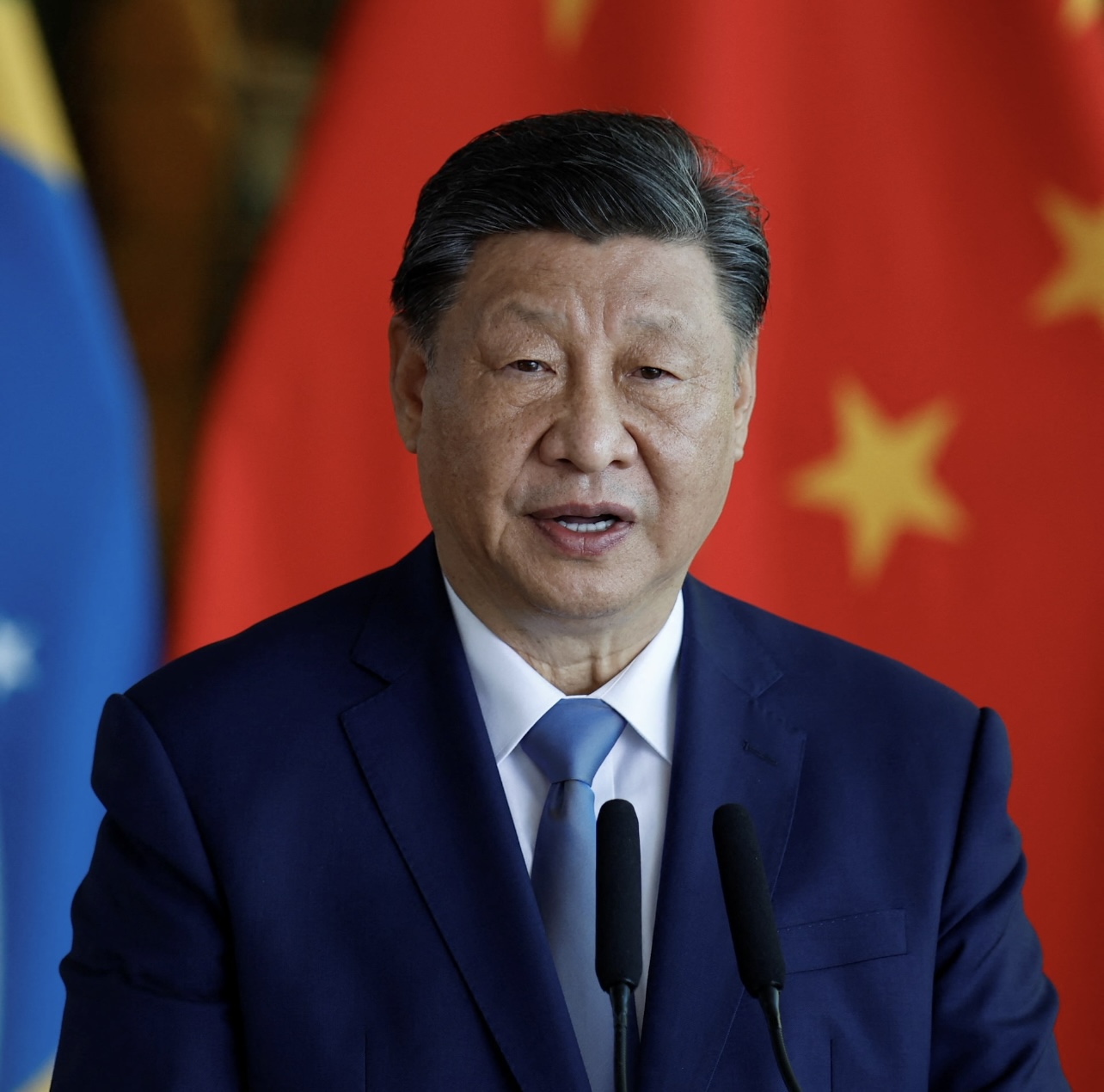
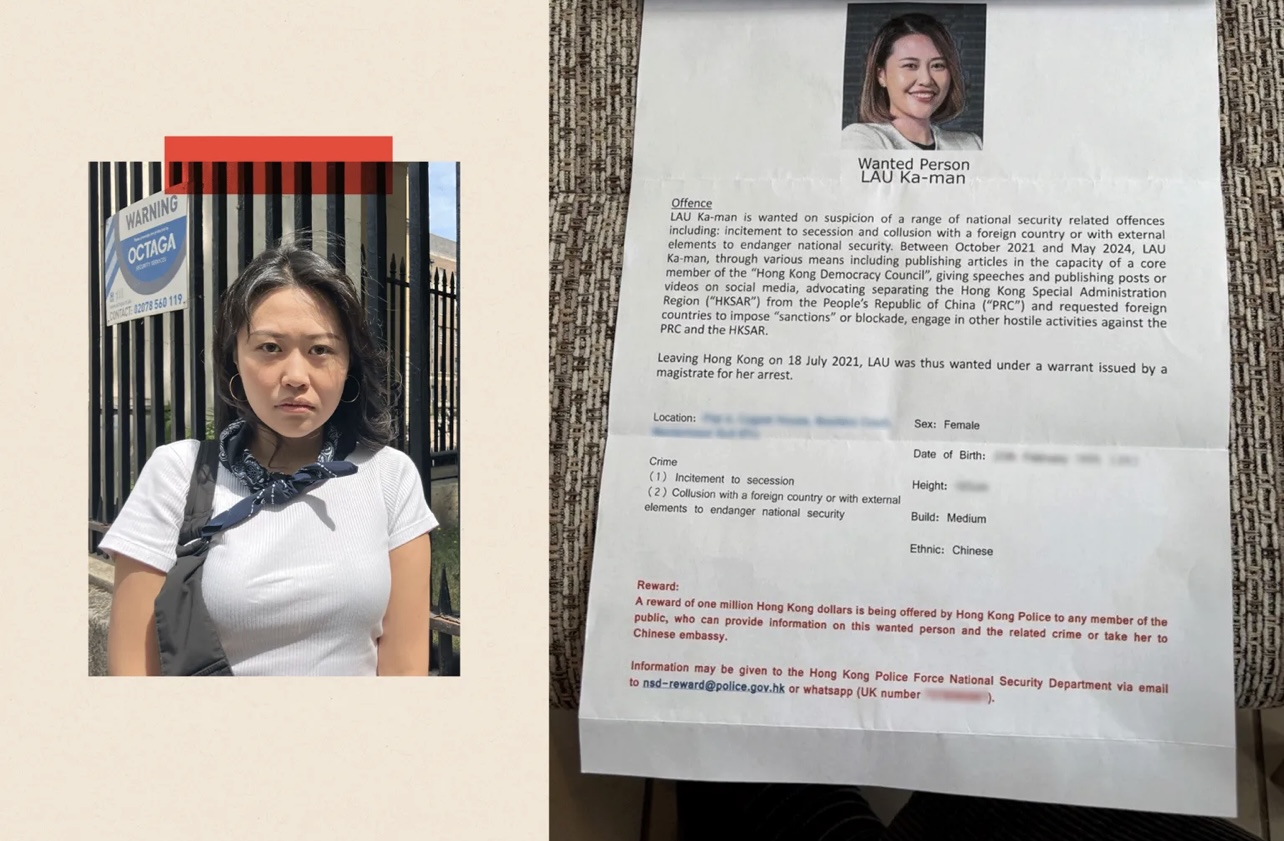
“Wanted Person” is written at the top of the sheet of paper. Below is a headshot of a young woman, possibly taken in a studio. She smiles squarely at the camera, exposing her teeth, and her dark, shoulder-length hair is beautifully groomed. At the bottom, in red, are the words “A reward of one million Hong Kong dollars,” along with a UK phone number. To earn the money, which is around £95,000, there is a simple instruction: “Provide information on this wanted person and the related crime or take her to the Chinese embassy”. The woman in the shot is standing in front of me. She shudders when she glances at the building.
We’re standing before an imposing facility that originally housed the Royal Mint and that China plans to transform into a new mega-embassy in London, replacing the far smaller facilities it’s held since 1877.
The new location, opposite the Tower of London, is already being guarded by Chinese security personnel. CCTV cameras are also installed around the premises. “I’ve never been this close,” says Carmen Lau. Carmen, 30, fled Hong Kong in 2021, as pro-democracy campaigners were arrested. She believes that the UK should not allow China’s “authoritarian regime” to establish its new embassy in such a prominent place. One of her concerns is that with such a large embassy, China may harass and possibly imprison political opponents in the building.
Some dissidents are also concerned that its location, close to London’s financial area, may pose an espionage risk. Then there’s the resistance from residents who claim it will jeopardise their security. The plans were previously rejected by the local council, but the decision now rests with the government, and senior ministers have indicated that they are in favour of small changes to the plan. The property is enormous, measuring 20,000 square metres, and if built, it will be Europe’s largest embassy. But will it actually bring about the risks that its opponents fear?
The largest embassy in Europe.
China purchased the former Royal Mint Court for £255 million in 2018. The neighbourhood is rich in history: across the road is the Tower, which was partially erected by William the Conqueror. For generations, kings and queens have lived there. The plan itself includes a cultural centre and lodging for 200 employees, but there are also rooms in the basement, behind security doors, that have no designated use on the drawings. “It’s easy for me to imagine what would happen if I was taken to the Chinese embassy,” Carmen adds.
In 2022, a Hong Kong pro-democracy activist was pulled and beaten on the grounds of the Chinese consulate in Manchester. British officers nearby stepped over the border to rescue him. In 2019, huge protests erupted in Hong Kong in response to the government’s attempt to enact a new law permitting Hong Kong citizens to be deported to mainland China. China responded with a law requiring all elected officials in Hong Kong, including Carmen, who was then a district councillor, to take an oath of loyalty to China. Carmen resigned instead.
She claims that journalists for Chinese state-run media started following her. The Ta Kung Pao newspaper, which is controlled by China’s central government in Beijing, ran a front page story alleging she and her colleagues had held parties in their council offices.
“You know the regime’s tactics,” she says. “They were following you and trying to annoy you. “My friends and colleagues were being arrested.” Carmen went to London, but she fears she is still being targeted. Hong Kong issued two arrest orders for her, charging “incitement to secession and collusion with a foreign country or with external elements to endanger national security”. The bounty letter was despatched from Hong Kong to half a dozen of her neighbours. “The regime just [tries] to eliminate any possible activists overseas,” according to her.

Steve Tsang, the head of the SOAS China Institute and a political scientist and historian, says he understands why people from Hong Kong or other backgrounds might be concerned about the new embassy. According to him, “the Chinese government since 1949 does not have a record of kidnapping people and holding them in their embassy compounds.” However, he claims that some embassy workers would be charged with monitoring Chinese students and dissidents in the UK, as well as targeting UK citizens such as scientists, businesspeople, and anyone with influence, in order to advance China’s interests.
The Chinese embassy said that it is “committed to promoting understanding and friendship between the Chinese and British peoples, as well as the development of mutually beneficial cooperation between the two countries.” Building a new embassy would enhance our ability to fulfil these commitments.
Warnings regarding Espionage
Some opponents also believe that the Royal Mint Court site will allow China to enter the UK’s financial system by tapping into fibre optic connections transporting sensitive data for City of London corporations. The location used to contain Barclays Bank’s trading floor, therefore it was directly connected to the UK’s financial system. A nearby tunnel has been carrying fibre optic cables under the Thames since 1985, servicing hundreds of City enterprises.
In addition, there is a five-story brick facility on the Court grounds called the Wapping Telephone Exchange, which serves the City of London. Prof Periklis Petropoulos, an optoelectronics researcher at Southampton University, believes that direct access to a functioning telephone exchange could enable users to obtain information.
This has generated fears about potential espionage, particularly from Conservative frontbencher Kevin Hollinrake and prominent Republicans in the United States. An official with security experience in former US President Joe Biden’s administration told me that it is entirely plausible that cables might be tapped using devices designed to collect passing information – and that this would be nearly impossible to detect. “Anything up to half a mile from the embassy would be vulnerable,” he explained.
However, he contends that China may be unwilling to do so because it has alternative methods of breaking into systems. Regarding these worries, the Chinese embassy stated that “anti-China forces are using security risks as an excuse to interfere with the British government’s consideration of this planning application.” “This is a despicable move that is unpopular and will not succeed.”
What the neighbours think .
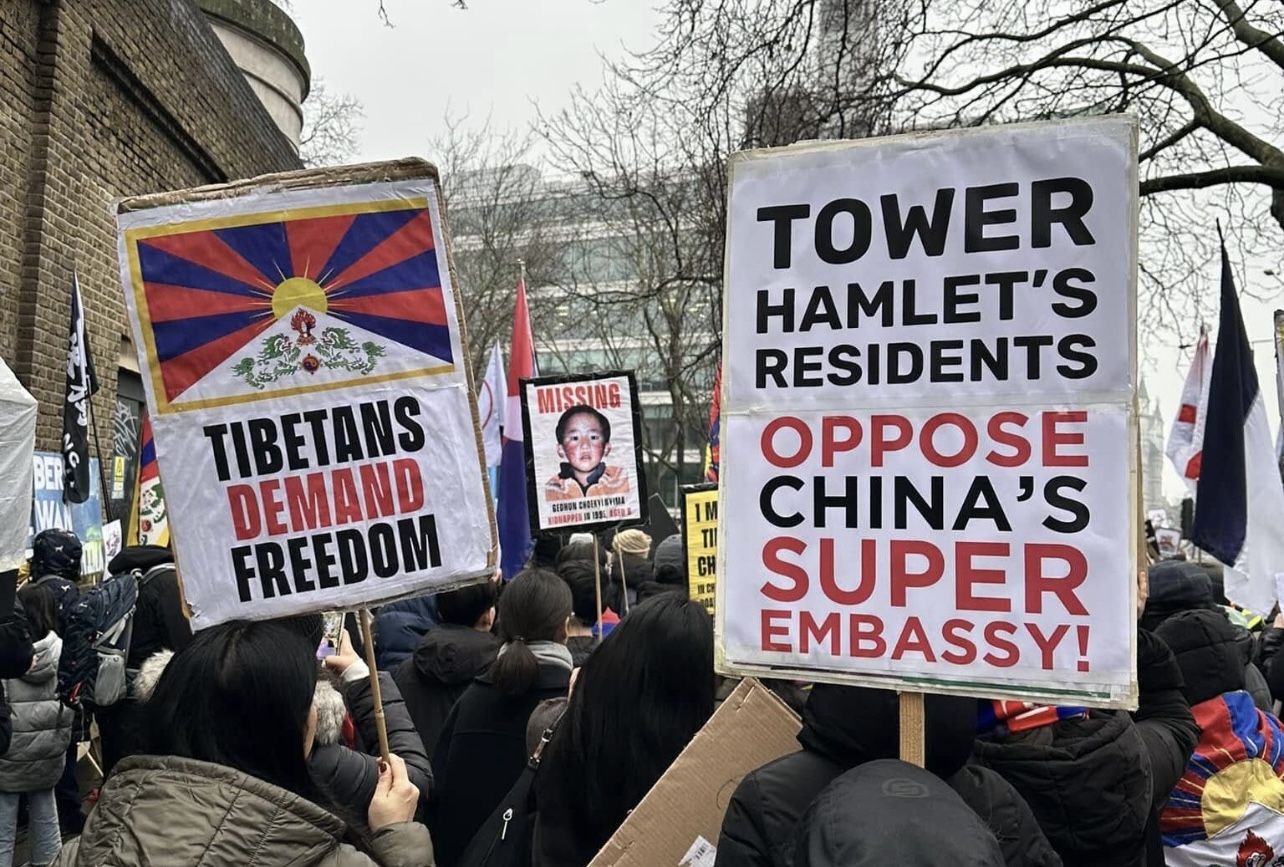
A series of flats built in the 1980s stands behind the Royal Mint Court. Mark Nygate has been living here for about 20 years. He motions across the short garden wall. “Embassy staff will live there and overlook us,” the diplomat claims. “We don’t want [the embassy] there because of demonstrations, because of the security risks, because of our privacy.” Opponents of the embassy, including Hong Kongers, Tibetans, Uighurs, and opposition leaders, have previously conducted protests with up to 6,000 people. Most of all, he fears an attack on the embassy, which could affect him and his neighbours.
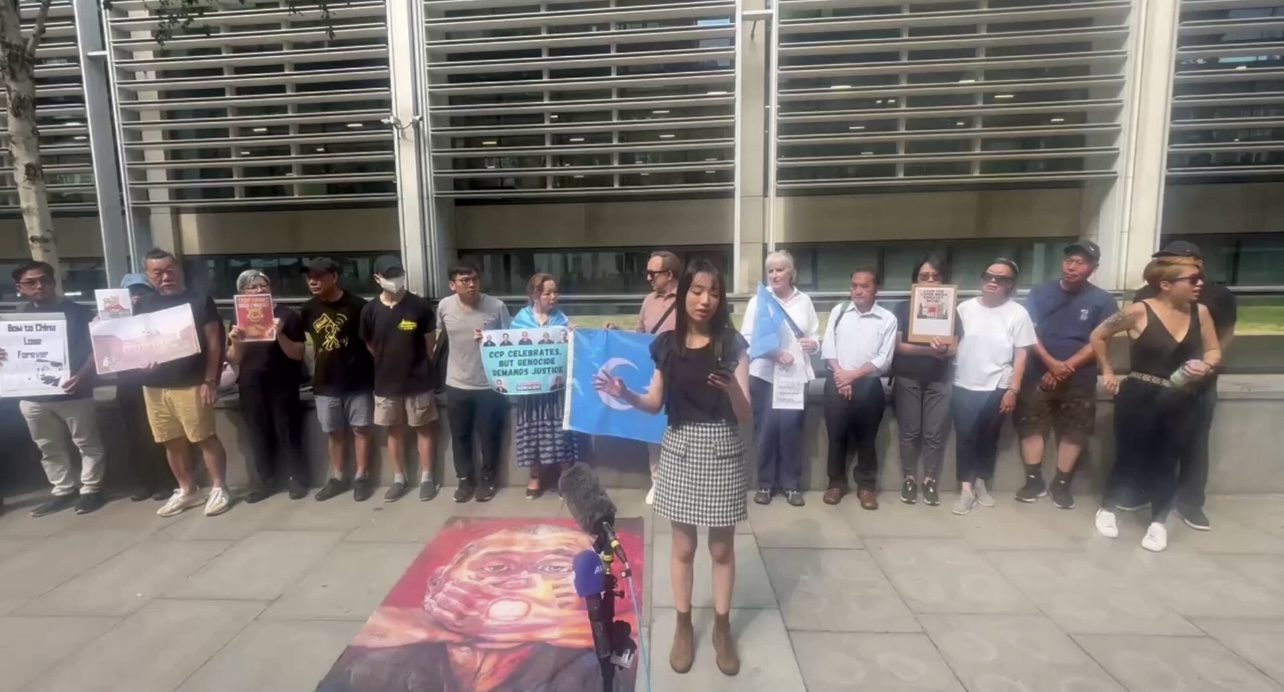
However, Tony Travers, a visiting professor in the LSE Department of Government, lives near the current embassy and is sceptical that these types of protests will occur for the new neighbours if the relocation goes forward. “I’m not aware of any evidence of regular protests blocking the road outside the current Chinese embassy…” Clearly, there are significantly greater rallies outside a number of other countries’ embassies and high commissioners. According to the Chinese embassy in London, the proposed development will “greatly improve the surrounding environment and bring benefits to the local community and the district”.
After President Xi addressed the matter, Tower Hamlets council rejected China’s initial planning application for the site in 2022 due to safety and security concerns. Protests and security measures might potentially harm tourism. Rather of amending the plan or appealing, China waited and resubmitted an identical application in August 2024, one month after Labour took power. On August 23, Sir Keir Starmer called Chinese President Xi Jinping for their first conversation. Sir Keir later acknowledged that Xi had raised the matter of the embassy.
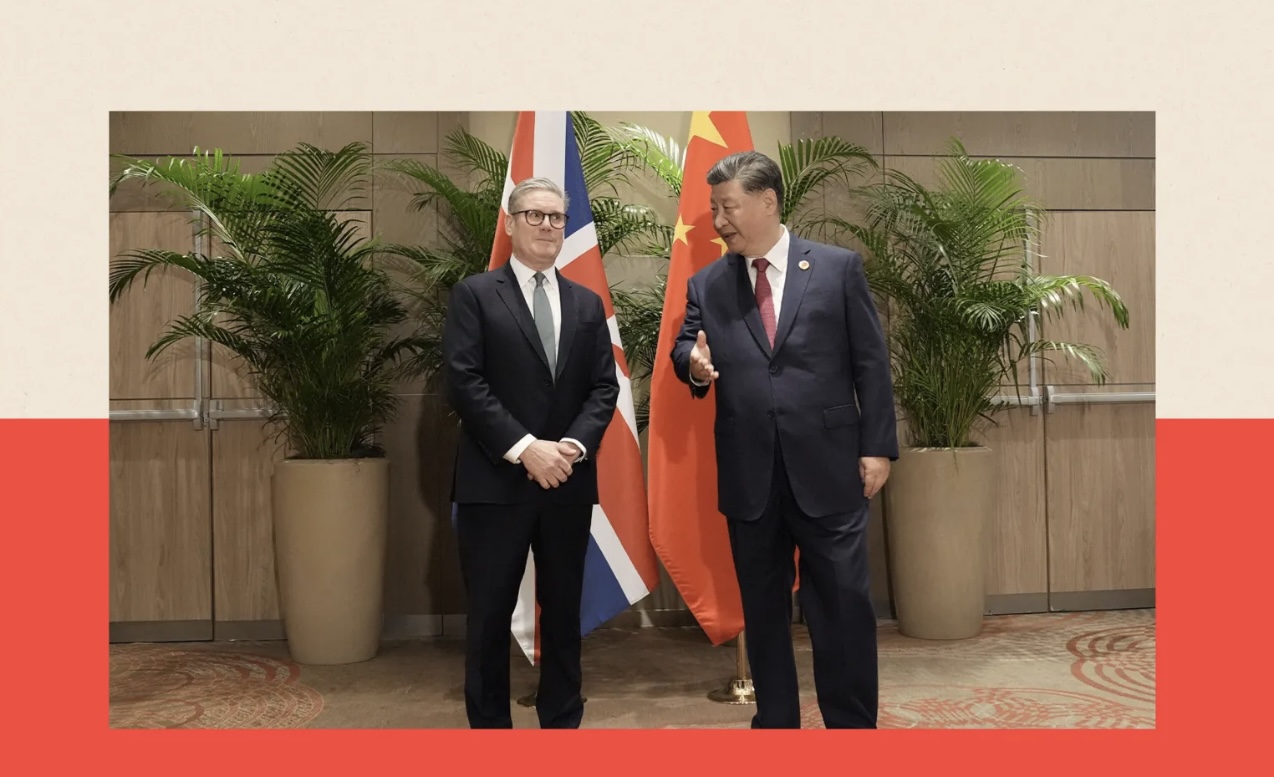
Following Foreign Secretary David Lammy’s request, Deputy Prime Minister Angela Rayner has used her authority to remove the issue from the council’s jurisdiction. This comes in the context of the government’s attempt to connect with China following previous Conservative Prime Minister Rishi Sunak’s declaration in 2022 that the so-called “golden era” of UK-China relations had ended. Prof Travers feels that politics plays a role in planning decisions. “The Secretary of State has to make the decision on the basis of the documentation in front of them and the law surrounding and affecting the issue,” according to his argument. “But it would be naïve to imagine that politics didn’t play a role.”
Kissing up to China.
Lord Peter Ricketts, a former diplomat who chaired the UK’s National Security Council, which advised prime ministers on global threats, emphasises that the country’s relationship with China is complex. A National Security Strategy issued in June outlined the government’s conflicting aims, emphasising its intention to exploit the partnership to benefit the UK economy but also anticipating “continued tension” over human rights and cyber security. But is it even possible to enjoy corporate rewards while still focussing on human rights violations?
“It is absolutely an adversary in some areas, which tries to steal our intellectual property, or suborn our citizens,” says Lord Ricketts of Lancaster. “(But) it is a commercial market, a very important one for us, and it’s a player in the big global issues like climate and health.” We must be able to treat China in all of those areas simultaneously. He claims that the embassy decision gets down to the heart of the matter. “There are acute dilemmas, and there are choices to be made, whether to privilege the 30, 40 or 50-year relationship with China, which an embassy, I guess, would symbolise.” Or whether to prioritise short-term security issues, which are undoubtedly real.”

Conservative MP Sir Iain Duncan Smith believes that approving the new embassy would be a huge mistake. “They think that the only way they’ll get growth is by kissing up to China and getting them to invest,” I hear him say. However, despite security worries, Prof Tsang believes that having one large embassy will make it easier to monitor what Chinese officials are doing in the UK. “Allowing the Chinese to put their staff on one site is preferable,” according to his argument, “because they’re at the moment all over the place in London, you can’t actually keep an eye on them.”
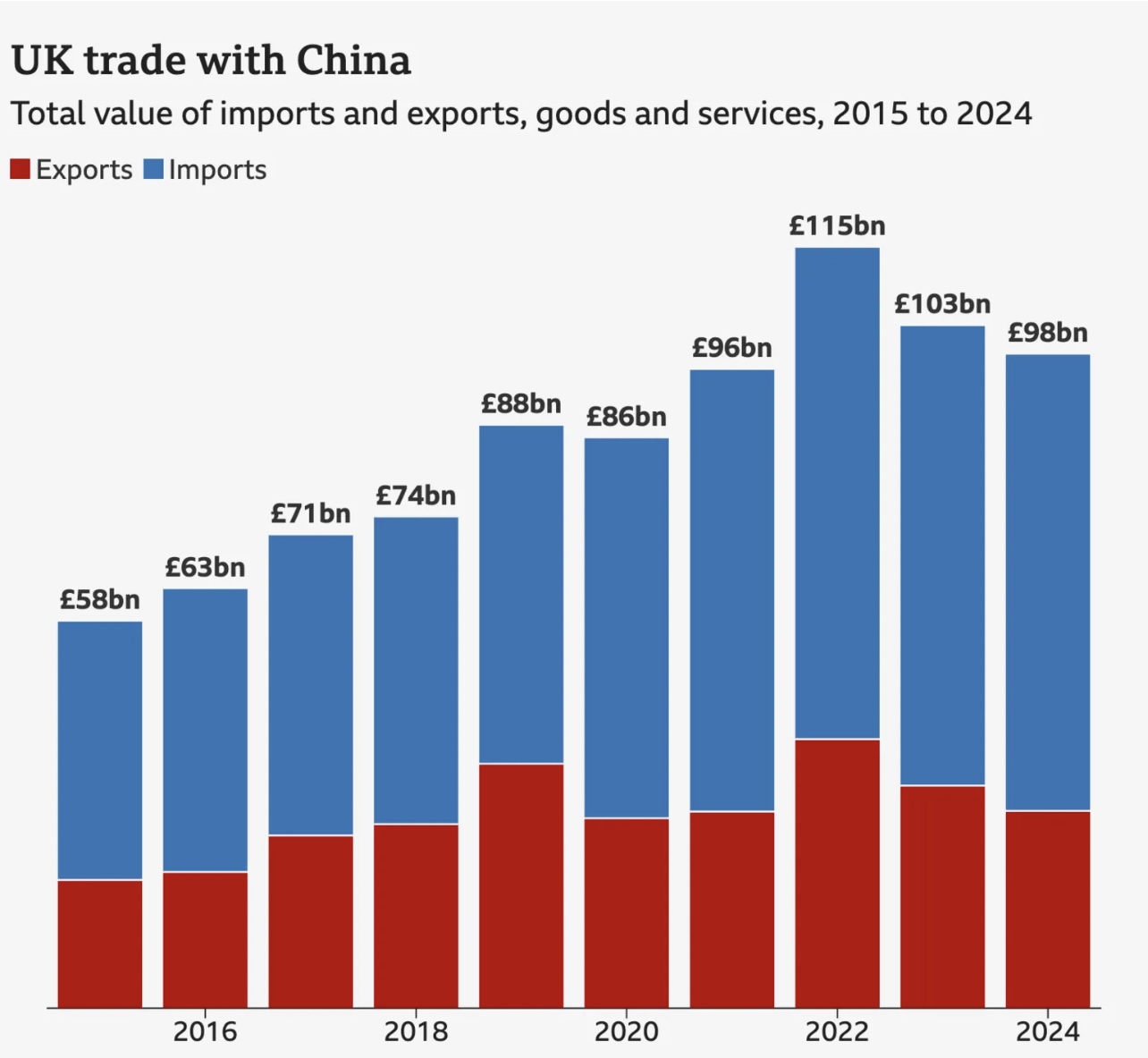
He does not believe that rejecting or allowing the embassy will have an impact on commerce and trade. “The Chinese are the ultimate pragmatists.” They’re not going to suddenly say, “No, we’re not going to sell our best electric vehicles to you anymore because you denied us the embassy,” he claims. In a similar vein, “they are not going to substantially increase Chinese investments in the UK because they have got the new embassy compound.” If Angela Rayner agrees, her decision may depend on how seriously she considers fears that China may spy on UK banks.
If she rejects the embassy it may be because she judges the danger it poses to be very real indeed.


 English