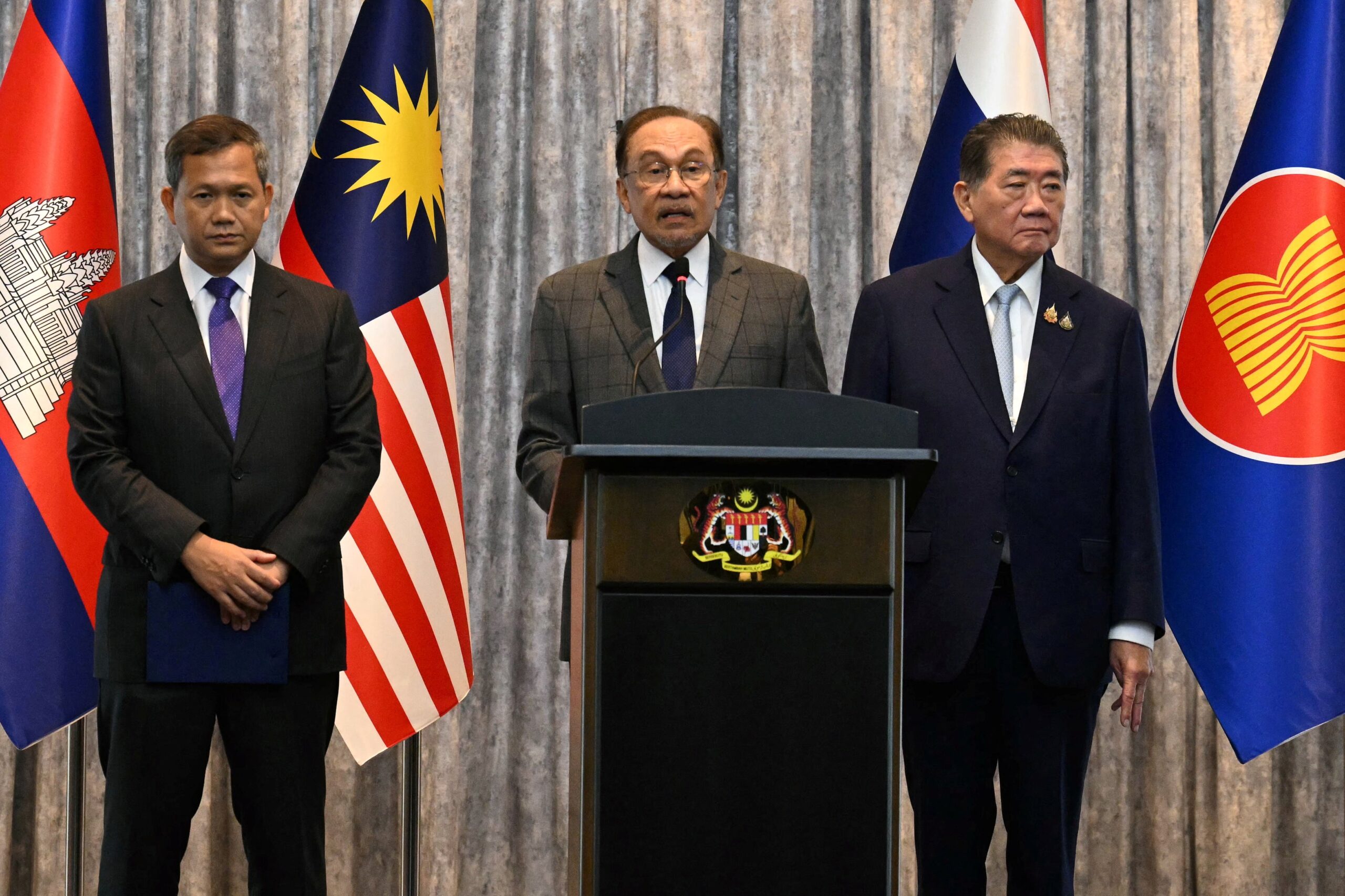
Thailand and Cambodia have agreed to an immediate ceasefire aimed at ending weeks of deadly fighting along their shared border, officials announced Saturday. The truce, signed by the two countries’ defence ministers, was set to take effect at noon local time following several days of intensive talks after some of the most intense hostilities in years between the neighbours.
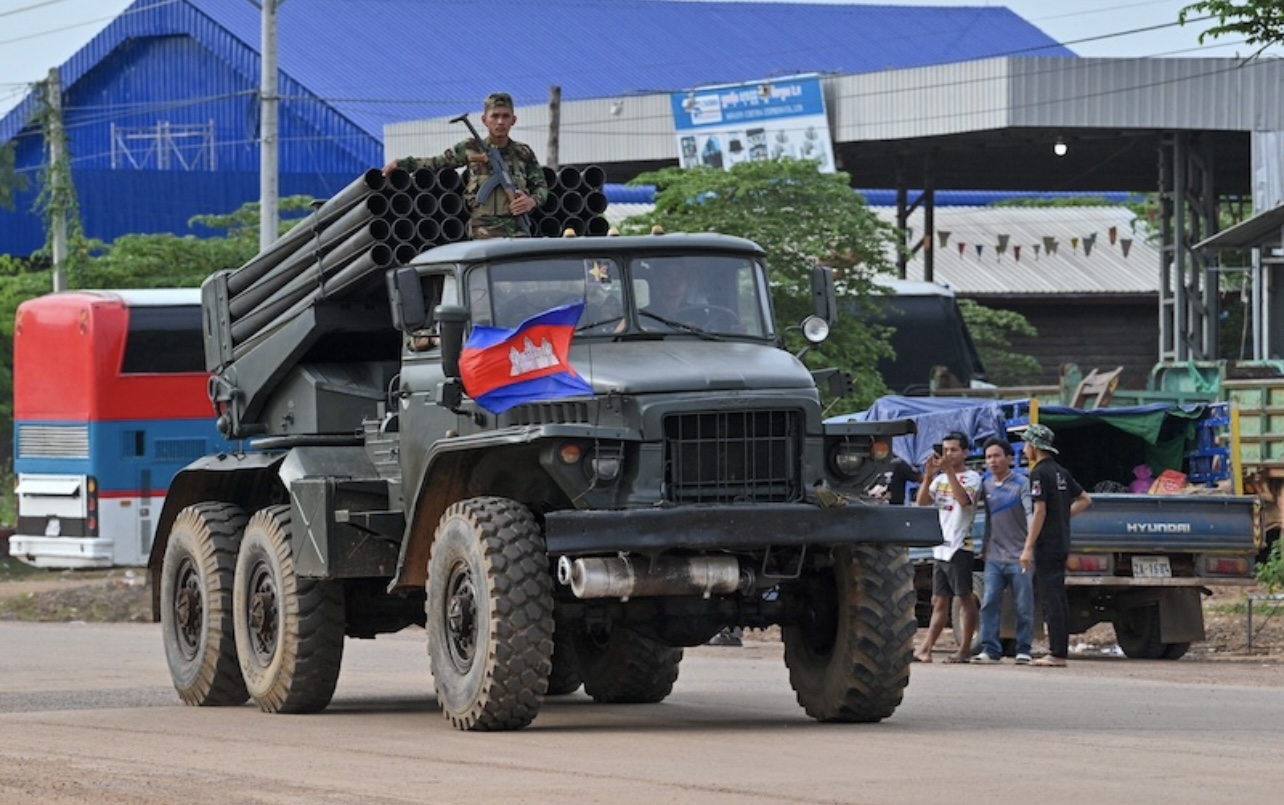
The clashes erupted in early December along the disputed frontier, rooted in longstanding territorial disagreements over colonial-era boundaries. The violence drew in heavy artillery, tanks, drones and air power, with Thailand reportedly conducting airstrikes in Cambodian border provinces even as negotiators pursued a truce.
Official counts indicate that the most recent round of fighting left dozens of people dead and many more wounded, with both sides reporting significant civilian displacement as thousands fled combat zones near provinces such as Sa Kaeo in Thailand and Banteay Meanchey in Cambodia. Estimates suggest more than half a million people were forced from their homes amid the clashes, and in some estimates over a million were displaced at the conflict’s peak.
The ceasefire agreement calls for all armed hostilities to stop immediately, including artillery fire and movements of troops toward opposing positions. Both sides agreed to freeze troop deployments, with additional commitments to refrain from military air operations and other offensive actions. Cambodia and Thailand also pledged to allow civilians living in border areas to return home safely as soon as conditions permit.
As part of the deal, Thailand indicated it would release 18 Cambodian soldiers held since earlier clashes once the ceasefire holds for 72 hours, a key demand from the Cambodian government that helped pave the way for the agreement.
International and regional diplomacy played a role in pushing both governments toward peace. ASEAN member states, along with diplomatic pressure from countries such as the United States, China and Malaysia, were reported to have encouraged renewed negotiations and restraint on both sides. Previous efforts — including an earlier ceasefire facilitated months ago — broke down, underscoring the fragility of peace efforts before Saturday’s accord.
Although the ceasefire halts open combat, underlying tensions remain, and negotiators have underscored the need to resume border demarcation discussions to prevent future flare-ups. Observers say that sustained peace will require continued diplomatic engagement and mechanisms to monitor compliance with the truce.

 English