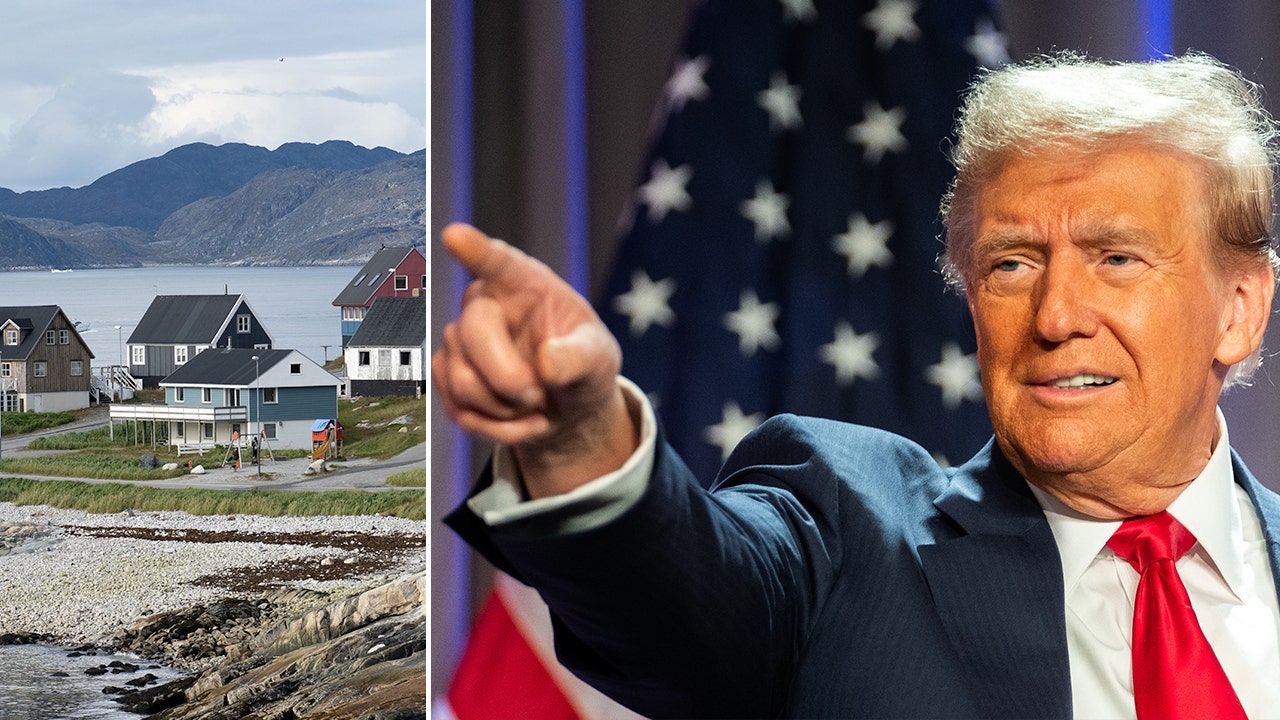
U.S. President Donald Trump has renewed a highly controversial call for the United States to take ownership of Greenland, arguing that Washington must assert control over the vast Arctic territory to stop Russia or China from moving in and gaining influence there in the future. Trump made the comments during a White House event with reporters and oil industry executives, saying the U.S. would act “whether they like it or not” and stressing that ownership, not just a military presence, was crucial for defense. Trump warned that if the United States does not “do something” about Greenland now, Russia or China could take over and become neighbors — a scenario he said the U.S. would not tolerate. He said he would prefer to secure Greenland “the easy way,” through negotiation, but added that if an agreement cannot be reached, the U.S. might pursue other options. Trump argued that current arrangements, including existing U.S. military access under a 1951 defense agreement with Denmark, do not provide sufficient security without full territorial control.
Trump’s statements have sparked sharp pushback from Greenlandic and European leaders, who have emphatically rejected any notion of the island being traded or taken by Washington. Leaders in Greenland’s Parliament have moved up discussions on how to respond to the U.S. pressure, and all five major political parties issued a unified message that Greenland should remain sovereign and decide its own future without foreign interference. Greenland’s leaders have repeatedly declared that they do not want to become Americans and want their autonomy respected.
The Danish government, which is responsible for Greenland’s defense and foreign affairs, has also criticised the U.S. stance and warned that any forced attempt to take Greenland could jeopardise NATO unity and longstanding security cooperation in the Arctic. European governments have backed Denmark’s position, maintaining that only Denmark and the people of Greenland can decide the island’s political status.
Greenland, an island of strategic importance with a population of about 57,000 and rich mineral resources, has already been a focus of international interest due to its location in the Arctic and the effects of climate change opening new shipping routes and resource prospects. While the U.S. maintains a military presence there, Trump has argued that defence is better guaranteed by owning the territory outright rather than through agreements or leases.
The debate reflects growing geopolitical competition in the Arctic region, with the United States framing the issue as essential to national security, and Greenlandic society and European allies emphasising sovereignty, international law, and diplomatic processes over unilateral action.


 English