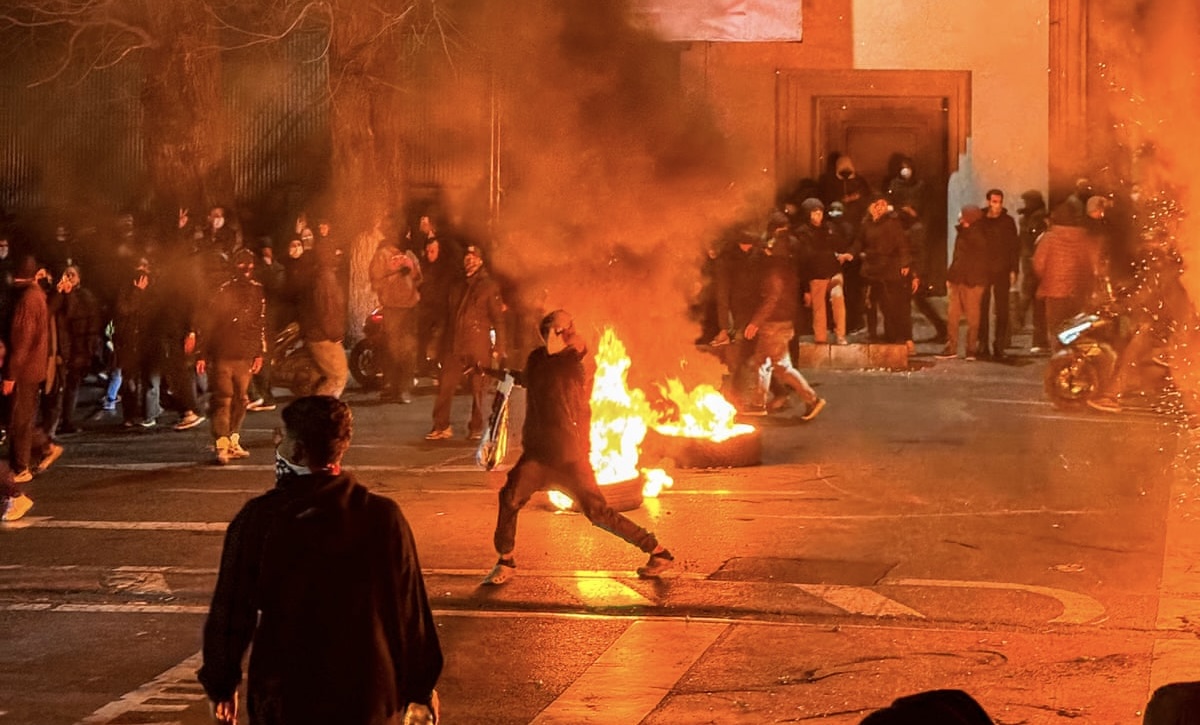
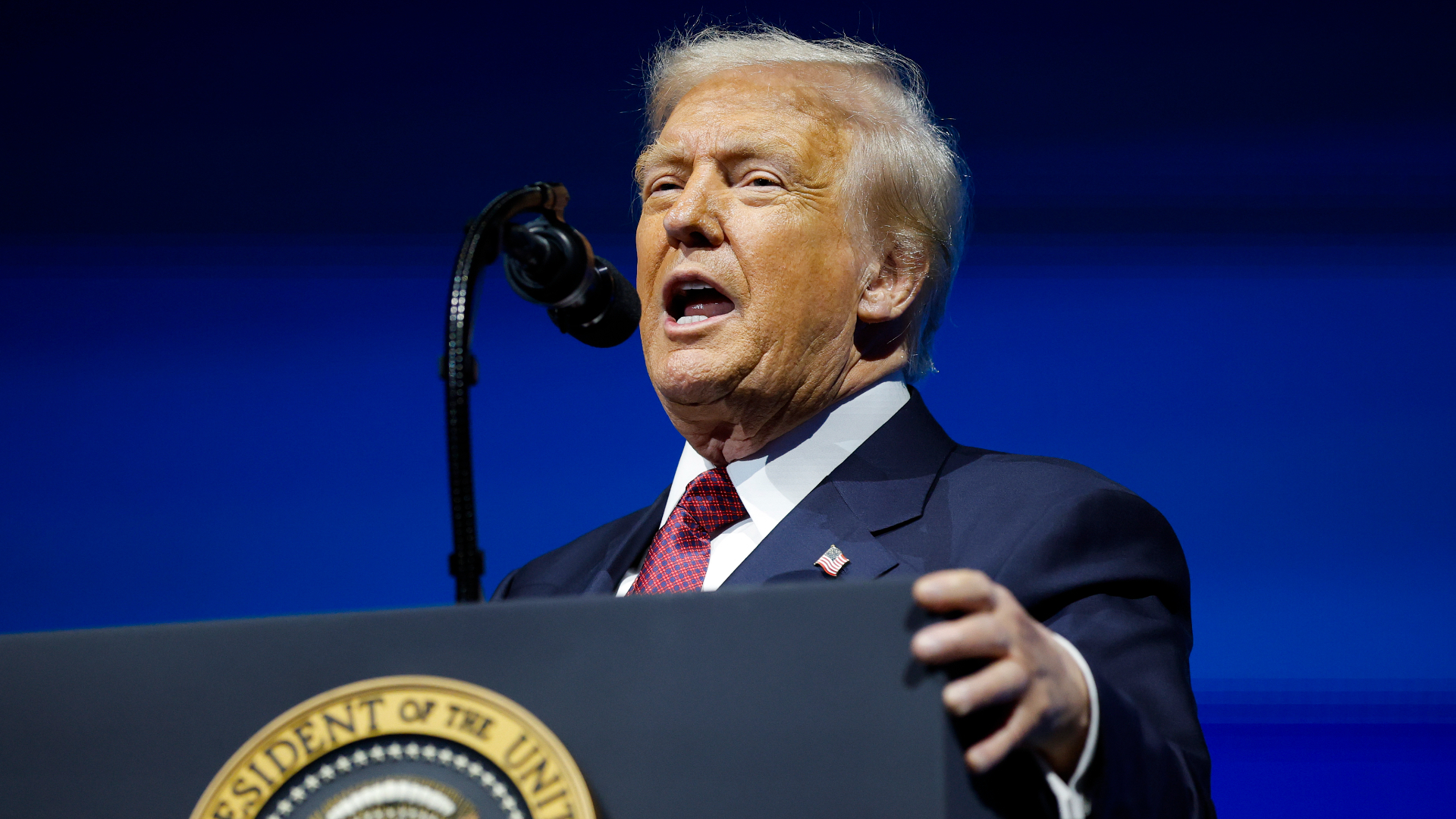
Iran’s leadership has issued increasingly stark warnings that it would retaliate if the United States were to carry out military strikes, as widespread anti-government protests continue to shake the country and a growing number of people have died amid the unrest. Tehran’s government officials, including the speaker of parliament and foreign ministry representatives, have publicly declared that any attack on Iranian soil would be met with force, and have specifically threatened that U.S. military bases and Israeli interests in the Middle East could be considered legitimate targets in such a scenario. These comments have come against a backdrop of heightened rhetoric from U.S. President Donald Trump, who has said the United States is considering “very strong options” — including possible intervention or support for demonstrators — in response to Iran’s violent crackdown.
The warnings from Tehran followed weeks of nationwide protests that began in late December in response to severe economic pressures, including soaring inflation and the collapse of the national currency, and quickly morphed into widespread demonstrations against the clerical leadership. Human rights organizations and activist networks report that the violence used by security forces against protesters has been deadly. According to the U.S.-based Human Rights Activists News Agency (HRANA), more than 500 people — including hundreds of demonstrators and some security personnel — have been killed, and thousands have been arrested nationwide. The exact figures are difficult to confirm independently due to an ongoing internet blackout imposed by Iranian authorities, which has severely limited communication and reporting from inside the country.
Iranian officials have insisted that foreign powers — particularly the United States and Israel — are fomenting unrest and seeking to destabilize the Islamic Republic. In parliamentary sessions broadcast on state media, lawmakers chanted slogans against foreign interference and echoed threats that any external strike would draw a forceful response. President Masoud Pezeshkian and other senior figures have sought to frame Iran as defending its sovereignty against what they describe as attempts to exploit domestic turmoil for geopolitical leverage.
At the same time, Washington has maintained that its primary concern is the protection of civilians and respect for human rights. President Trump reaffirmed that the United States is weighing its response to the crackdown, including potential military and cyber actions, but has also indicated openness to negotiation under certain conditions. The U.S. administration’s approach reflects a broader international concern over the violence in Iran, with calls from various governments and international organizations urging restraint and dialogue.
On the diplomatic front, Russia has publicly supported Iran’s right to repel foreign interference, with senior Russian officials condemning calls for external intervention and emphasizing respect for national sovereignty. This alignment underscores a complex geopolitical environment in which global powers are staking out divergent positions on how to respond to the crisis.
The situation remains fluid, and analysts warn that miscalculations by any side could escalate tensions further. The combination of domestic unrest, international pressure, and diplomatic brinkmanship underscores the fragility of the current moment in Iran — one that carries significant implications for regional stability and global security.

 English