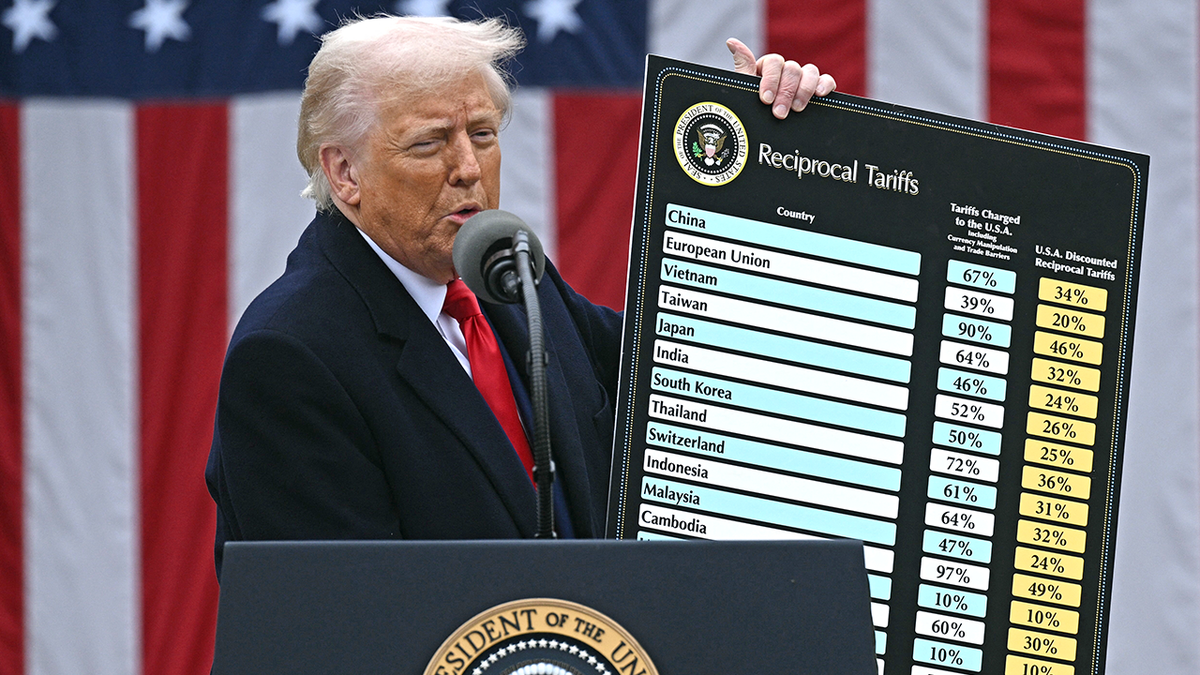
Brussels, London, Copenhagen — European heads of state and government have reacted with unified outrage to U.S. President Donald Trump’s announcement of new tariffs on several European nations over the Arctic territory of Greenland, calling the threat unacceptable, damaging to transatlantic relations, and contrary to international norms. Trump said late last week that he would impose a 10 percent tariff on imports from eight European allies — including Denmark, Norway, Sweden, France, Germany, the U.K., the Netherlands, and Finland — starting on February 1, rising to 25 percent on June 1 if those nations did not agree to what he described as a U.S. purchase of Greenland. The tariffs, Trump said in a social media post, would remain in place “until such time as a deal is reached.”
French President Emmanuel Macron was among the first to respond, denouncing Trump’s tariff threat as “unacceptable” and insisting that Europe would remain steadfast in defending both the sovereignty of nations and its own interests. Macron stressed that threats and intimidation “have no place” in diplomatic relations, whether over Greenland, Ukraine, or other global issues, and called for a united and coordinated European response if the tariffs are enacted. In the United Kingdom, Prime Minister Keir Starmer labelled Trump’s tariffs “completely wrong,” reaffirming that Greenland is part of the Kingdom of Denmark and that its future should be determined by its people and Danish authorities, not subject to external pressure. Starmer’s comments drew support from across the UK political spectrum.
German and other EU leaders have characterised the tariff threat as blackmail and a dangerous escalation that risks undermining the post‑war transatlantic alliance. EU officials said the bloc would consider possible countermeasures, including trade tools that could be used to defend against coercive economic tactics. Denmark, whose sovereignty includes Greenland, reiterated that any military exercises by allies in Greenland are defensive in nature and pose no threat. Nordic leaders, including Norwegian Prime Minister Jonas Gahr Store and Swedish Prime Minister Ulf Kristersson, publicly rejected the tariff threat as unacceptable and insisted issues within alliances should be resolved diplomatically, not through punitive tariffs.
European Council President Antonio Costa and European Commission President Ursula von der Leyen warned that linking trade sanctions to Arctic geopolitics could “undermine transatlantic relations” and lead to a “dangerous downward spiral” in cooperation with the United States. Analysts say the dispute highlights increasing tensions between the United States and its European allies over how to manage strategic regions such as the Arctic while maintaining unity within NATO. Critics note that the tariff threats complicate cooperation on issues ranging from security to economic policy and could reverberate beyond trade alone.
While Trump’s proposal has not yet taken legal effect, European capitals are preparing diplomatic and possibly economic responses, and emergency discussions among EU member states and ambassadors are underway.

 English