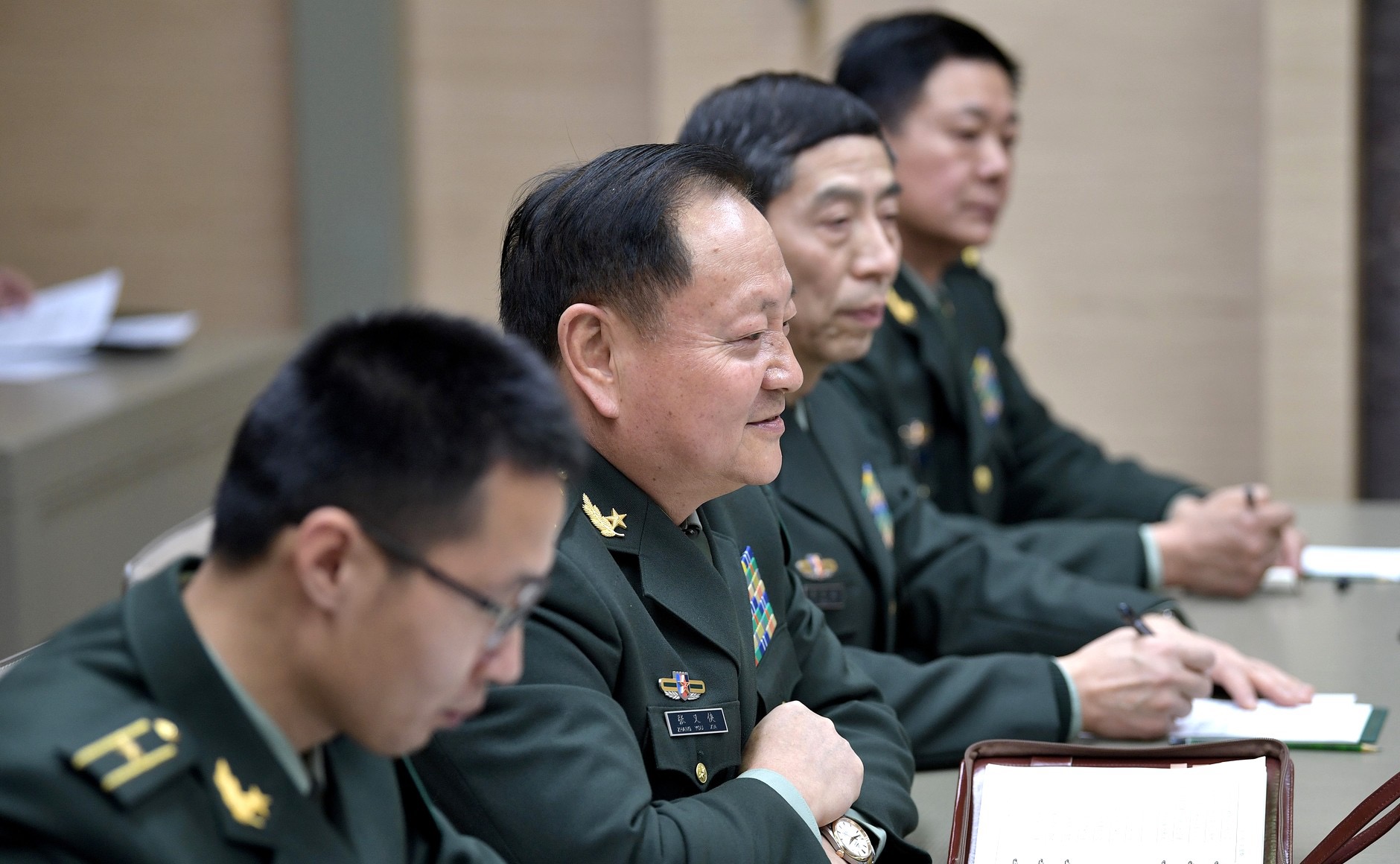
China’s decision to remove and investigate one of its most senior military figures has sent shockwaves through the country’s political system and raised fresh questions internationally about stability inside the People’s Liberation Army (PLA). The general, who served as a vice chairman of the Central Military Commission (CMC) – the body that commands China’s armed forces – was abruptly purged after authorities announced he was suspected of “serious violations of discipline and law”.
Chinese officials have provided few details, but such language is widely understood to signal corruption, abuse of power, or breaches of Communist Party rules. The move forms part of a wider anti-corruption campaign that President Xi Jinping has pursued for more than a decade, during which thousands of military and civilian officials have been disciplined. In recent years, however, the campaign has reached unusually deep into the military’s top ranks, including senior officers responsible for weapons procurement, missile forces and strategic planning.
Analysts say corruption remains a genuine concern within the PLA, particularly in areas involving defence contracts, promotions and procurement. Investigations in recent years have revealed networks where bribes were allegedly exchanged for rank and influence, undermining professionalism and combat readiness. From Beijing’s perspective, purging senior figures is presented as necessary to restore discipline and ensure the military can carry out its mission effectively.
At the same time, many observers believe political loyalty plays a central role. Xi Jinping has repeatedly stressed that the PLA must show absolute loyalty to the Communist Party and its leader. The removal of such a high-ranking and once-trusted general suggests that even senior figures are not immune if they are seen as insufficiently loyal, politically unreliable, or connected to rival power networks. Some experts interpret the purge as part of Xi’s broader effort to consolidate control over the military ahead of long-term strategic challenges, including tensions with the United States and Taiwan.
The sudden leadership change has also drawn attention abroad. Neighbouring governments, particularly Taiwan, have described the shake-up as unusual and are closely monitoring developments, though there is no indication of immediate changes to China’s military posture. International analysts warn that frequent purges at the top could disrupt continuity and decision-making within the PLA, even as they strengthen central political control.
While China insists the investigation is an internal disciplinary matter, the scale and seniority of the purge highlight deeper strains within the military establishment. Whether driven primarily by corruption concerns, political consolidation, or a mix of both, the removal of the country’s highest-ranking general marks one of the most significant military upheavals in years and underscores President Xi’s determination to reshape the armed forces in his own image.

 English