The European Union has officially added Iran’s Islamic Revolutionary Guard Corps (IRGC) to its list of terrorist organisations, a landmark decision reflecting growing concern in Europe over Iran’s domestic repression and regional activities. The move was unanimously approved by EU foreign ministers in Brussels after intense discussions among the bloc’s 27 member states.
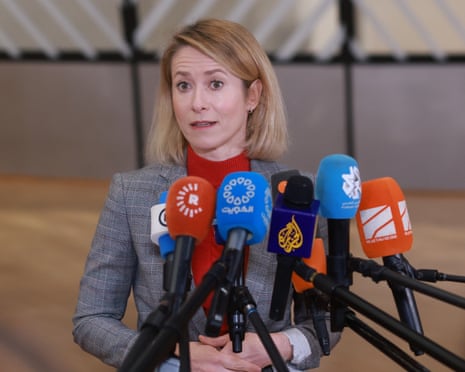
The listing places the IRGC alongside groups such as Al‑Qaeda and ISIL/Daesh, marking a major shift in Europe’s policy toward Tehran and its powerful military institution. EU foreign policy chief Kaja Kallas described the decision as long overdue, emphasizing that impunity for violent repression cannot continue. “Repression cannot go unanswered,” she said, adding that any regime responsible for killing thousands of its own people should face consequences.
The EU cited the violent crackdown on widespread protests in Iran as a key factor in the decision. Human rights groups report that thousands of demonstrators were killed or detained during these protests, with the IRGC playing a central role in the suppression. The designation also reflects Europe’s growing concern over Iran’s support for proxy groups and its influence across the Middle East.
Under the EU terrorist listing, assets linked to the IRGC within the bloc can be frozen, and travel bans may be applied. Financial or material support to the organisation is criminalised, giving law enforcement agencies stronger legal tools to target networks connected to the IRGC. The move is intended to go beyond sanctions, imposing criminal penalties and potentially disrupting economic ties between the IRGC and Europe.
The decision followed support from key EU capitals, including France and Spain, after initial hesitation in some member states. International organisations, such as the World Jewish Congress, welcomed the listing, calling it a necessary recognition of the threat posed by the IRGC. Iran’s government condemned the decision as provocative and warned of potential consequences, though official statements from Tehran are still unfolding.
Analysts note that the EU’s action aligns with similar steps already taken by the United States, Canada, and Australia, and is as much a political signal as a legal measure. The move underscores growing frustration among European governments with Iran’s internal repression and international activities, and it is likely to further strain EU-Iran diplomatic and economic relations.

 English