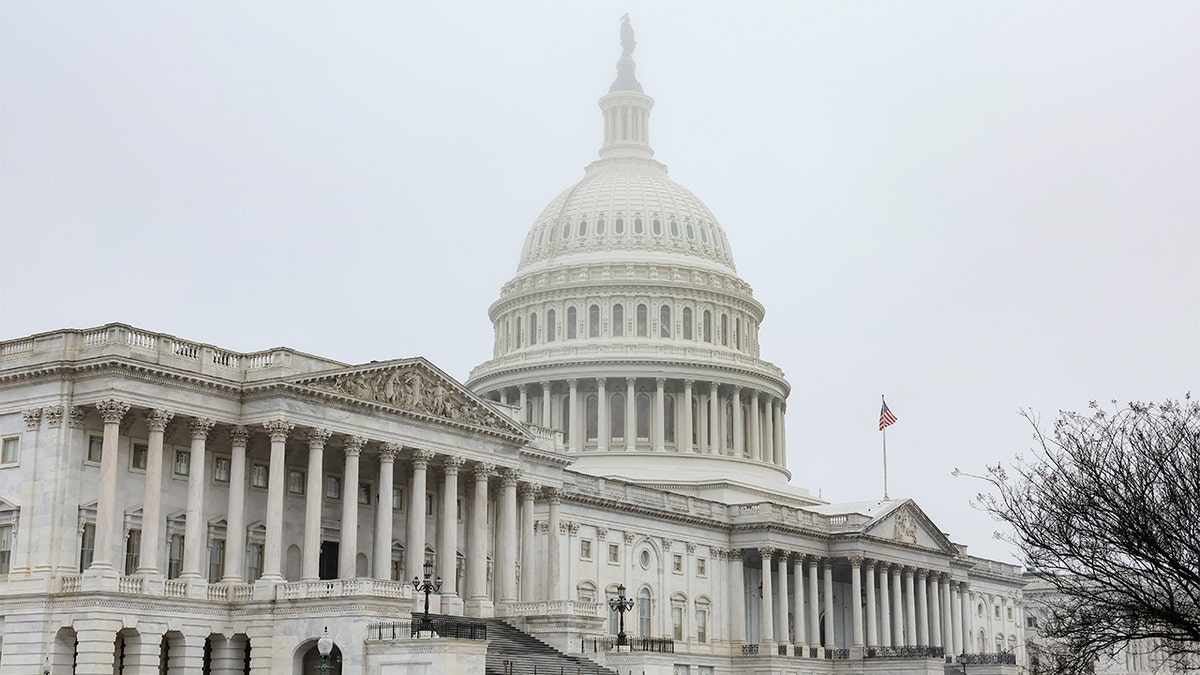
The United States federal government entered a partial shutdown after a lapse in funding at midnight, even though lawmakers reached a last-minute funding agreement aimed at keeping most government operations running. The shutdown occurred because the deal, while passed by the Senate, was not approved by the House of Representatives in time to meet the deadline.
The Senate voted late Friday to approve a bipartisan spending package designed to fund most federal agencies through the remainder of the fiscal year. The legislation was intended to avert a shutdown and provide temporary funding for agencies still caught in political disputes, including the Department of Homeland Security. However, the House was not in session before the funding deadline expired, preventing the bill from becoming law and triggering a partial shutdown.
As a result, several federal agencies are now affected, with non-essential government operations suspended and some federal employees furloughed without pay. Essential services such as national security, air traffic control, border protection, and Social Security payments are continuing, as required by law, but administrative functions and some public services have been temporarily halted.
The shutdown highlights ongoing political tensions in Congress, particularly over immigration policy and federal spending priorities. Lawmakers struggled to finalize agreements on certain agencies, leading to delays despite broad Senate support for the overall funding package. Congressional leaders from both parties have expressed frustration that procedural timing, rather than a lack of agreement, led to the shutdown.
The White House has acknowledged the disruption but indicated that it expects the shutdown to be short-lived. The House of Representatives is expected to reconvene and vote on the Senate-approved funding bill in the coming days. Once passed and signed by the president, funding would be restored and affected government operations would resume.
This marks the latest instance in which political gridlock and tight deadlines have resulted in a government shutdown, reviving concerns about the impact on federal workers, public trust, and the stability of government services.

 English