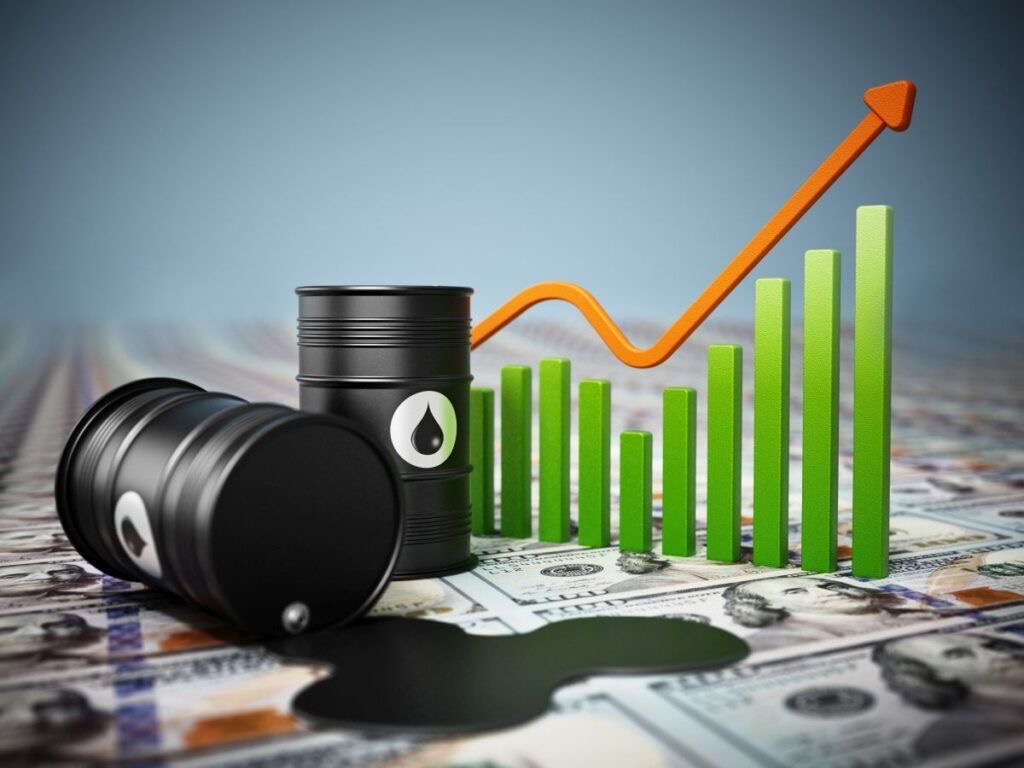
Global oil prices have surged above $100 per barrel for the first time since 2022, driven by escalating conflict in the Middle East that has disrupted energy production and shipping routes. The sharp rise in prices reflects growing fears among traders and governments that the war involving Iran, Israel, and the United States could threaten key oil supplies from one of the world’s most important energy regions.
Benchmark Brent crude, which is widely used to measure global oil prices, jumped above $100 per barrel and briefly surged close to $120 during volatile trading. U.S. West Texas Intermediate crude also climbed above the $100 mark before easing slightly later in the day. Analysts say the increase represents the highest oil price level since mid-2022, when markets were shaken by the war in Ukraine.
The surge is largely linked to rising tensions and military strikes affecting major oil-producing areas in the Middle East. Attacks on Iranian energy facilities and growing fears that shipping through the Strait of Hormuz could be disrupted have created uncertainty in global markets. The narrow waterway is one of the world’s most critical oil routes, carrying about one-fifth of the global oil supply, so any disruption can quickly push prices higher.
Financial markets around the world reacted sharply to the sudden increase in energy costs. Stock markets in several Asian countries declined as investors worried that higher oil prices could slow economic growth and increase inflation. Governments and energy agencies are also considering measures such as releasing emergency oil reserves to stabilize prices if the conflict continues.
Economists warn that if crude oil remains above $100 per barrel for a long period, the impact could be felt across the global economy. Higher oil prices typically lead to increased costs for transportation, manufacturing, and electricity, which can raise fuel prices for consumers and contribute to rising inflation worldwide. For many oil-importing countries, the surge could place additional pressure on national budgets and economic stability.
The situation remains uncertain as geopolitical tensions continue to evolve, and energy analysts say further escalation in the region could push oil prices even higher in the coming weeks. Governments and international organizations are closely monitoring the situation, as energy markets remain highly sensitive to developments in the conflict.


 English