
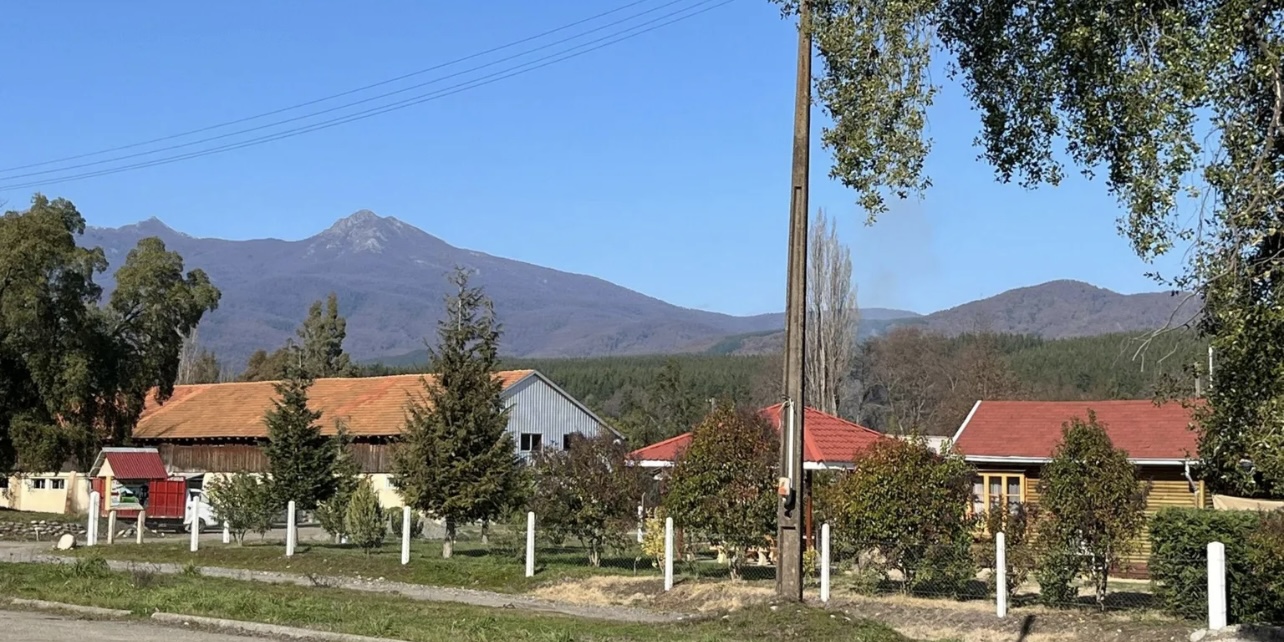
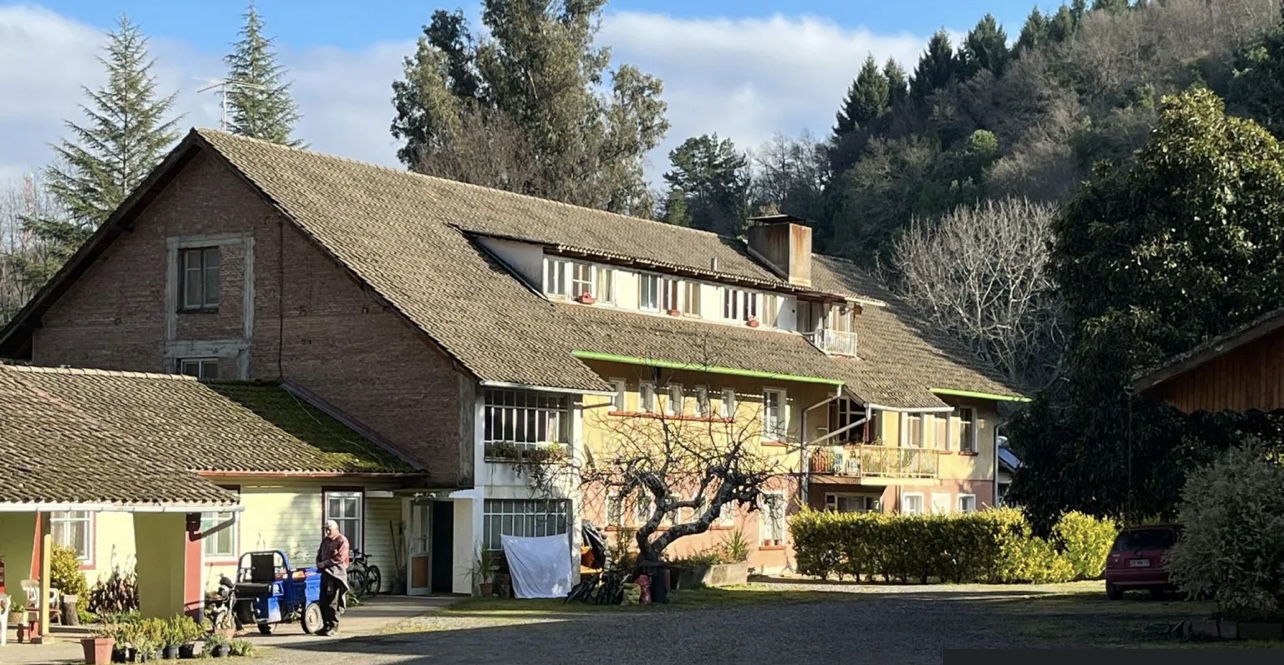
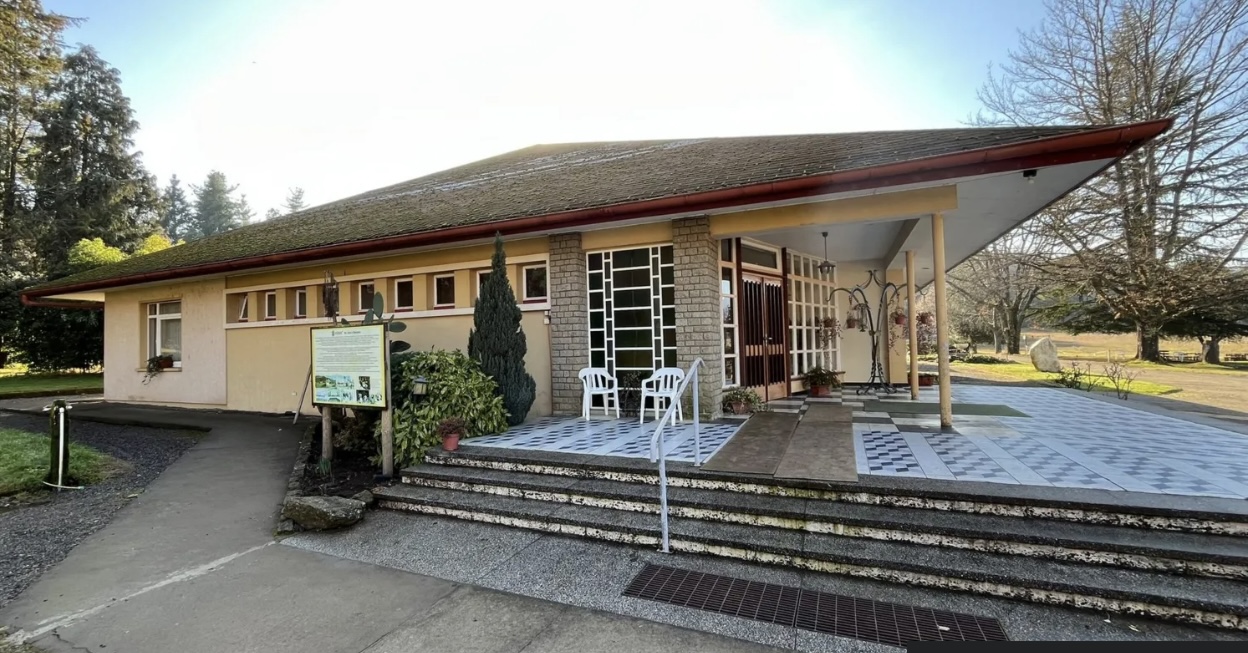
Villa Baviera appears to be a quaint German-style village hidden in the rolling hills of central Chile, with sloping red-tiled roofs, groomed lawns, and a shop offering home-baked ginger biscuits. But it has a sad history. Previously known as Colonia Dignidad, it was home to a covert religious group created by a manipulative and abusive leader who aided Augusto Pinochet’s dictatorship. Paul Schäfer, who founded the colony in 1961, enforced harsh punishments and humiliation on the Germans who lived there. They were taken from their parents and made to labour from an early age. Schäfer also sexually molested several of the children.
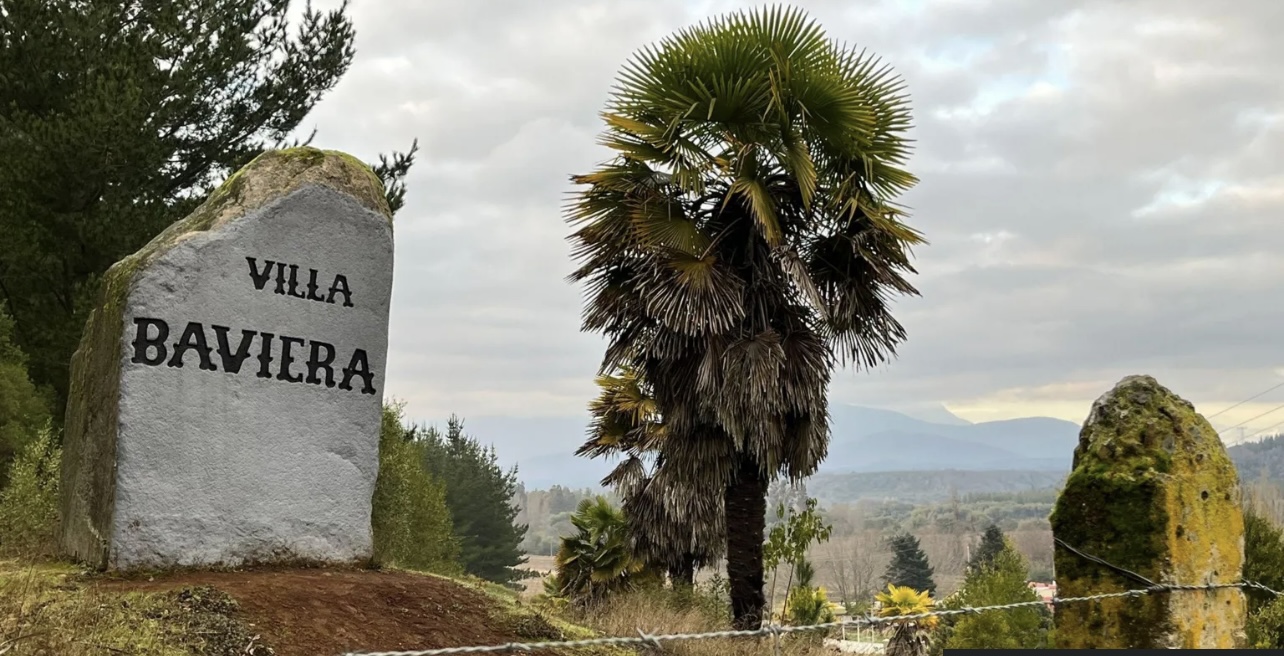
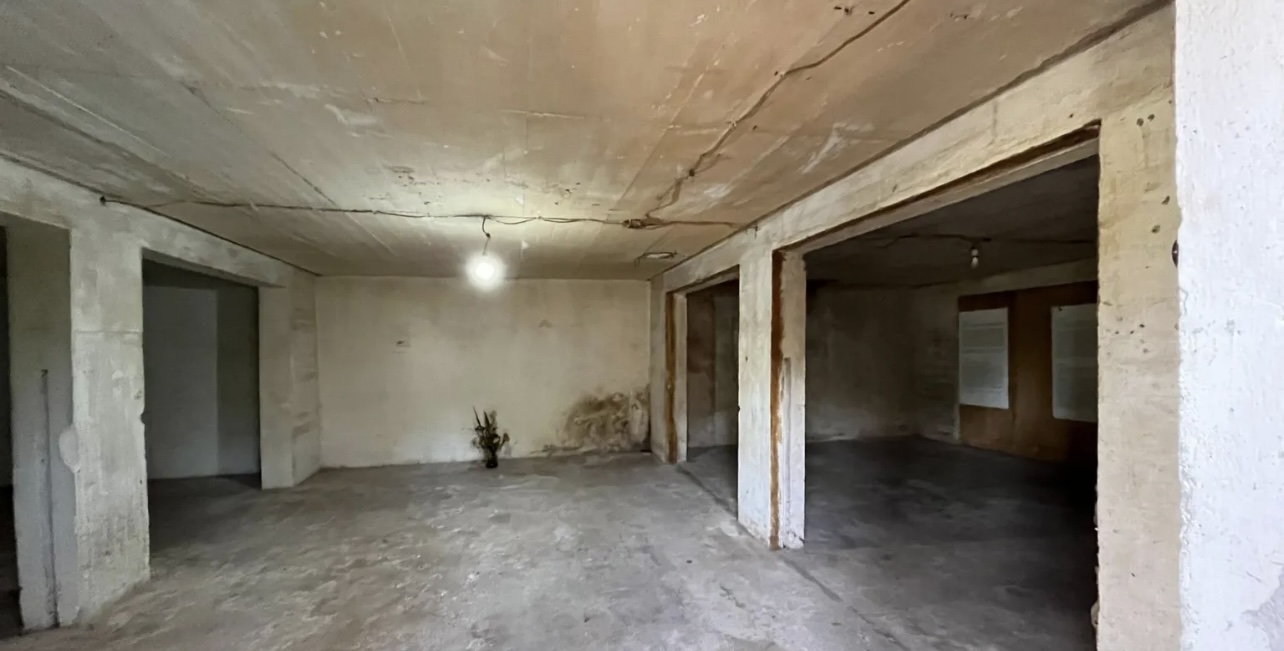
After Gen Pinochet staged a coup in 1973, opponents of his military rule were transported to Colonia Dignidad and tortured in dark cellars. Many of the political detainees were never seen again. Schäfer died in prison in 2010, but some of the German residents remained and transformed the former colony into a tourist destination, complete with a restaurant, hotel, cabins for rent, and even a boating pond. The Chilean government is now planning to expropriate some land to honour Pinochet’s victims. However, the plans have divided opinion. Throughout Chile, more than 3,000 individuals were slain and more than 40,000 tortured during the Pinochet government, which was in power until 1990.
Luis Evangelista Aguayo was one among those who “disappeared” under force. His sister, Ana Aguayo, sits by the fire in her home in Parral, the municipality closest to Colonia Dignidad. “Luis was quiet and loved swimming. “He wanted to make the world a fairer place,” she explained. Mr. Aguayo worked as a school inspector, was a member of the teachers’ union, and was involved in the socialist party. On September 12, 1973, one day after Pinochet deposed Chile’s elected Socialist President, Salvador Allende, police arrived at Mr Aguayo’s home and arrested him. Two days later, he was transferred to the local prison, but on September 26, 1973, police arrived and forced him into a van. His family never saw him again.
Ana Aguayo says a local farmer came to her house to say that he had seen her brother at the German colony.
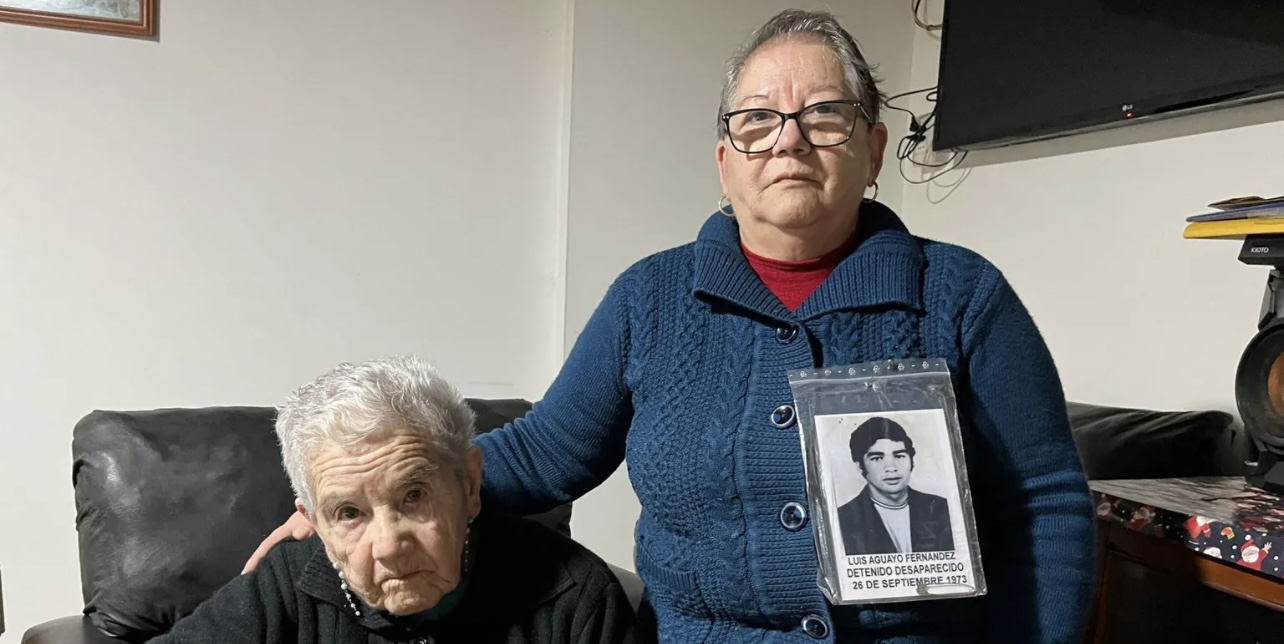
“My mother and father went to Colonia Dignidad but weren’t allowed in,” she told me. “They searched everywhere for him, including police stations and courts, but could not find any information. My father died in grief because he couldn’t assist him. My 96-year-old mother believes she can hear him calling, ‘Mama, come and fetch me’.” Mr Aguayo was one of 27 Parral residents thought to have been assassinated in Colonia Dignidad, according to an ongoing judicial probe conducted by the Chilean government. The precise number of persons murdered here is unknown, although there is evidence that this was the final destination for many opponents of the Pinochet administration, including Chilean congressman Carlos Lorca and several other Socialist Party officials.
According to the Chilean justice ministry, investigations suggest that hundreds of political detainees were taken here. Ana Aguayo supports the government’s decision to establish a memorial there. “It was a site of misery and unspeakable deeds. Tourists should not shop or dine here. It should be a centre of remembrance, reflection, and education for future generations to ensure that this does not happen again.” However, the government’s expropriation intentions have divided sentiment in Villa Baviera, which has fewer than 100 adults. In 1977, Dorothee Munch was born in Colonia Dignidad.
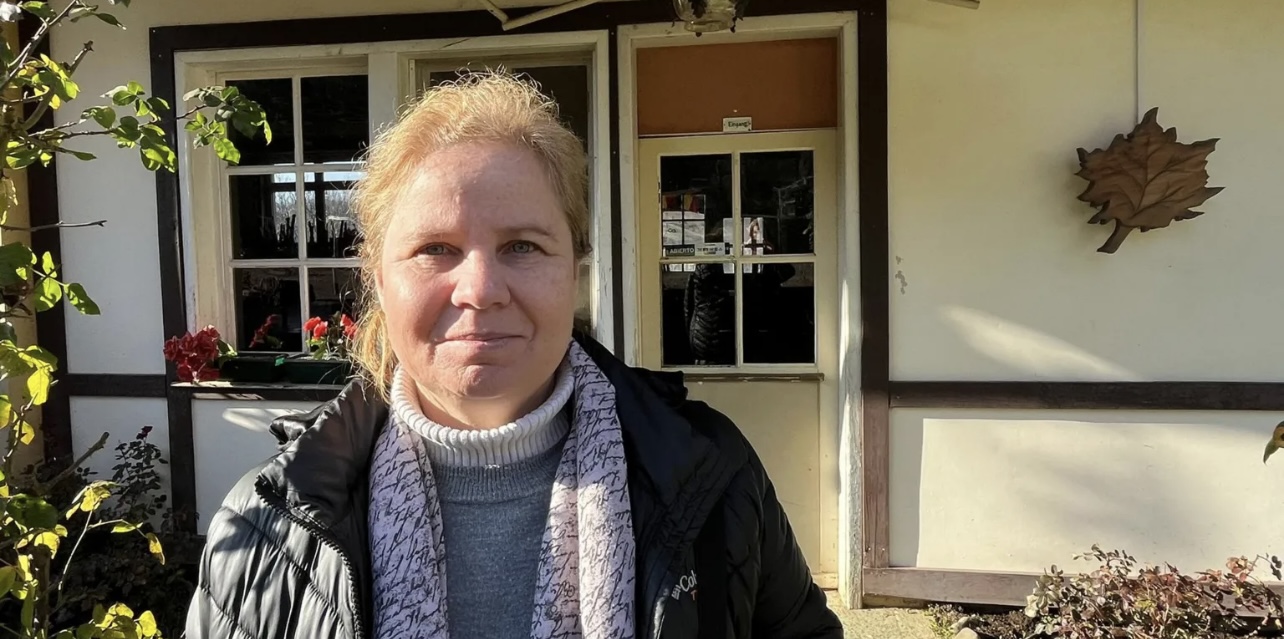
“We lived in single-sex dormitories like barracks,” she remembers. “From a young age, we had to work, cleaning the dishes for the whole community and collecting firewood.” The government intends to expropriate 117 hectares of the 4,829-hectare complex, including torture facilities and locations where victims’ bodies were excavated, burned, and ashes buried. Ms Munch opposes the expropriation plans since they involve the village centre, which includes people’ houses as well as shared enterprises such as a restaurant, hotel, bakery, butcher, and dairy.
“We lived in a fear-based environment; we are also victims. We are recreating our life, which will make us victims once again. Perhaps people my age could relocate, but the older residents would be devastated.”
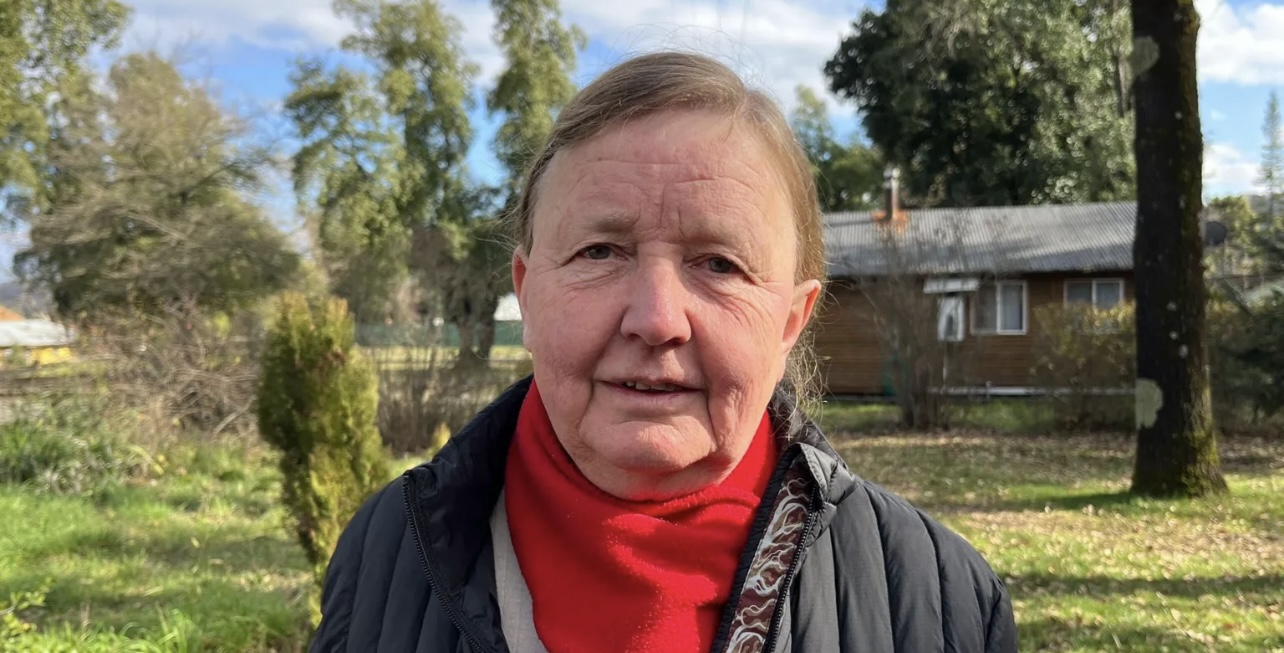
Erika Tymm arrived at Colonia Dignidad from Germany in 1962 when she was two years old. When she was separated from her parents, she remembered crying at night for her mother. She claims she was subjected to electric shocks as a child, as have several other colony residents. She also opposes the expropriation proposals and wishes to remain in her current residence. “I want to be with people who understand what I went through.” Jaime Gajardo Falcón, Chile’s Minister for Justice and Human Rights, informed the BBC that the government decided to expropriate the territory containing the ex-colony’s principal structures.
“These were sites of political detention, of torture, surveillance and training of state agents to commit crimes against humanity.”
The expropriation decree was published in July. The state will establish the worth of expropriated assets in the coming months, he said. Seventy-three Villa Baviera homeowners and previous inhabitants have written to Chile’s president, expressing their concerns about the expropriation plans and requesting to participate in conversations about them. They recruited a public relations firm to handle their media contacts, and a representative from that firm accompanied the BBC to the site. Separately, the BBC interviewed numerous additional residents and past residents of Colonia Dignidad who support the initiative to build a memorial site.
Georg Klaube lived in the Colonia Dignidad from 1962 – when he arrived from Germany with his parents aged two – until 2010.
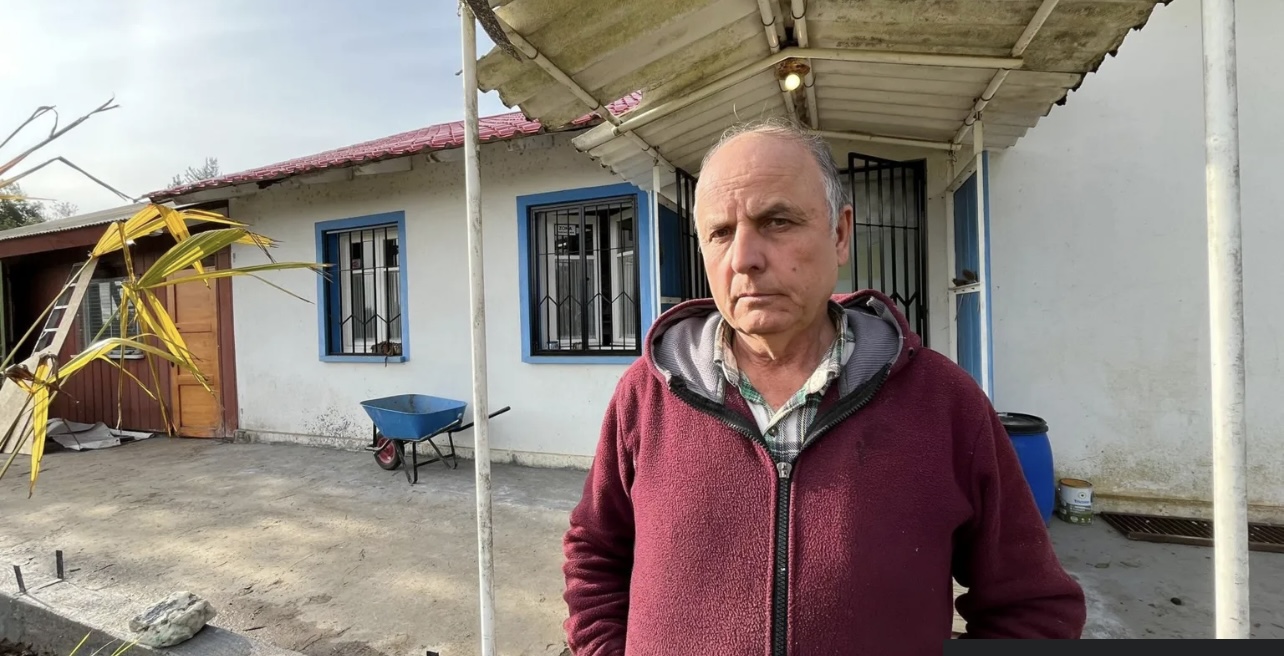
He claims that, like many other boys in Colonia Dignidad, he was subjected to electric shocks, coerced into taking psychotropic drugs, and sexualised by Schäfer. “Every night, I was taken to a building, stripped naked, a black towel was placed on my face, and electric shocks were administered, here, here, here,” he says, indicating to his genitals, throat, feet, and underarms. “I believe we should create a memorial because so much cruelty occurred here to both Germans and Chileans. I can’t believe there’s a restaurant in the spot where so many children’s tears, urine, and blood flowed.
Mr Klaube is involved in a court lawsuit, which is supported by an association of former and current Colonia Dignidad residents, alleging that Villa Baviera’s authorities are not fairly sharing the former colony’s profits. They want the government to ensure that when the expropriation occurs, the indemnification payment is paid to all residents and former residents.
Other victims who support the expropriation plans include former political prisoners who were tortured at Colonia Dignidad, small farmers who were displaced from their land when the German colony was established, and Chileans who lived nearby and were sexually molested as children by Schäfer. Schäfer was arrested in 2005 and later convicted of sexually abusing 25 children, including five charges of child rape. A number of his accomplices were also convicted.
Justice Minister Gajardo believes it is critical to guarantee that the horrors that occurred here are not forgotten. “Atrocities were committed here. Until now, it had been private property. Once it is taken over by the state, Chileans will be allowed to enter freely, and it will serve as a space for recollection and contemplation to ensure that similar crimes never happen again.”



 English