
The Israeli military has confirmed that Abu Obeida, the longtime spokesman of Hamas’s armed wing, the Izzedine al-Qassam Brigades has been killed in a targeted strike in Gaza City, marking a significant escalation in the nearly two-year conflict in the territory.
On August 30, 2025, an Israeli airstrike struck an apartment building in the Rimal neighborhood of Gaza City, where Abu Obeida (real name Hudaifa al-Kahlut) was reportedly sheltering. The strike killed 11 people, including children, according to multiple sources.
Then August 31, Israeli Defense Minister Israel Katz publicly declared on social media that “Hamas terror spokesperson Abu Obeida was eliminated in Gaza,” echoing Prime Minister Benjamin Netanyahu’s announcement that the man behind the mask had been targeted .The Jerusalem Post noted that Israeli officials were “optimistic” about his death, although confirmation still awaited official verification.
The strike comes amid a sweeping Israeli offensive on Gaza City. On August 31, Israeli forces intensified bombardments on suburbs like Sheikh Radwan, prompting mass displacement as residents fled toward less-affected southern areas.
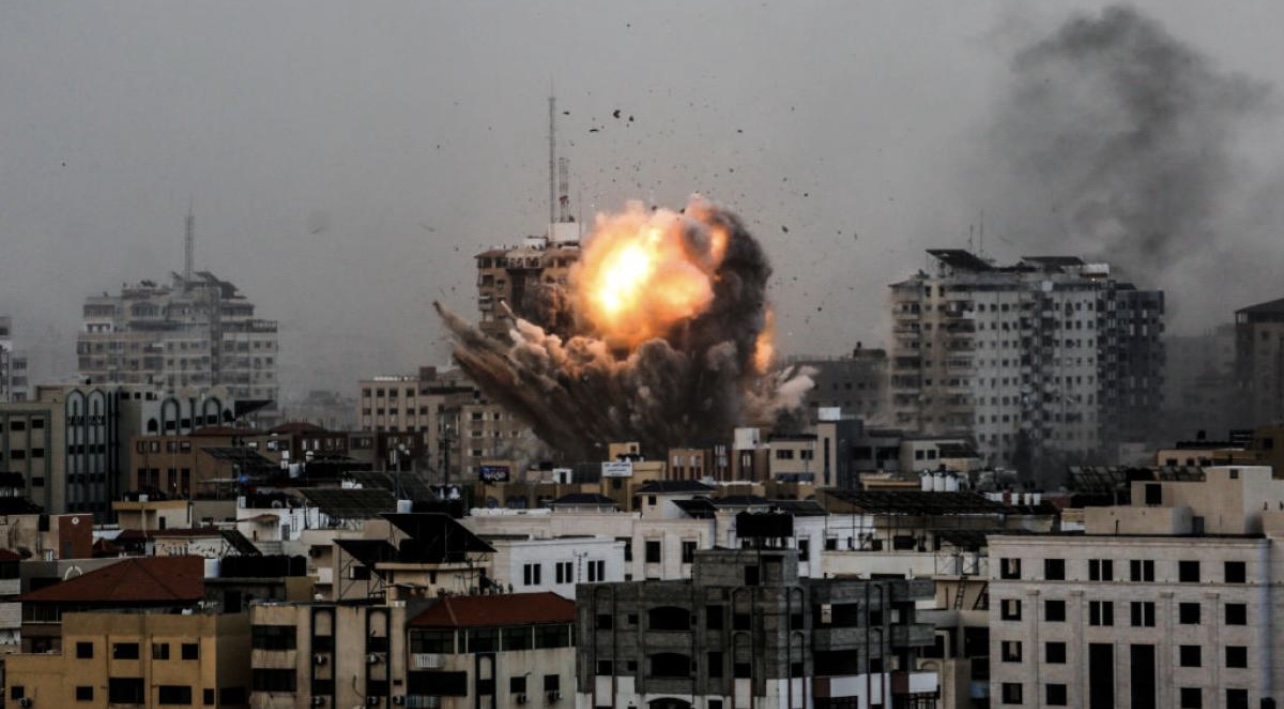
Local health authorities reported dozens of civilian deaths, including those caught near food distribution points. Humanitarian conditions are rapidly deteriorating ,malnutrition, famine, and displacement have become widespread.
Abu Obeida has been the Qassam Brigades’ central media figure since at least 2007, appearing in statement videos with a masked visage and red keffiyeh, articulating Hamas’s ideological and military stance .
His death is CEO labeled a symbolic blow to Hamas’s capacity for propaganda, especially given his prominence in orchestrating media campaigns during the conflict .
Israel’s military leadership emphasized that targeting Obeida forms part of a broader campaign to dismantle Hamas’s leadership, including threats to pursue remaining leaders abroad.
This death, if confirmed, would represent a strategic and symbolic turning point in the conflict. The loss of one of Hamas’s most visible voices adds to a growing list of leadership casualties from political chiefs to military commanders, foreshadowing a potential realignment in power dynamics.


 English