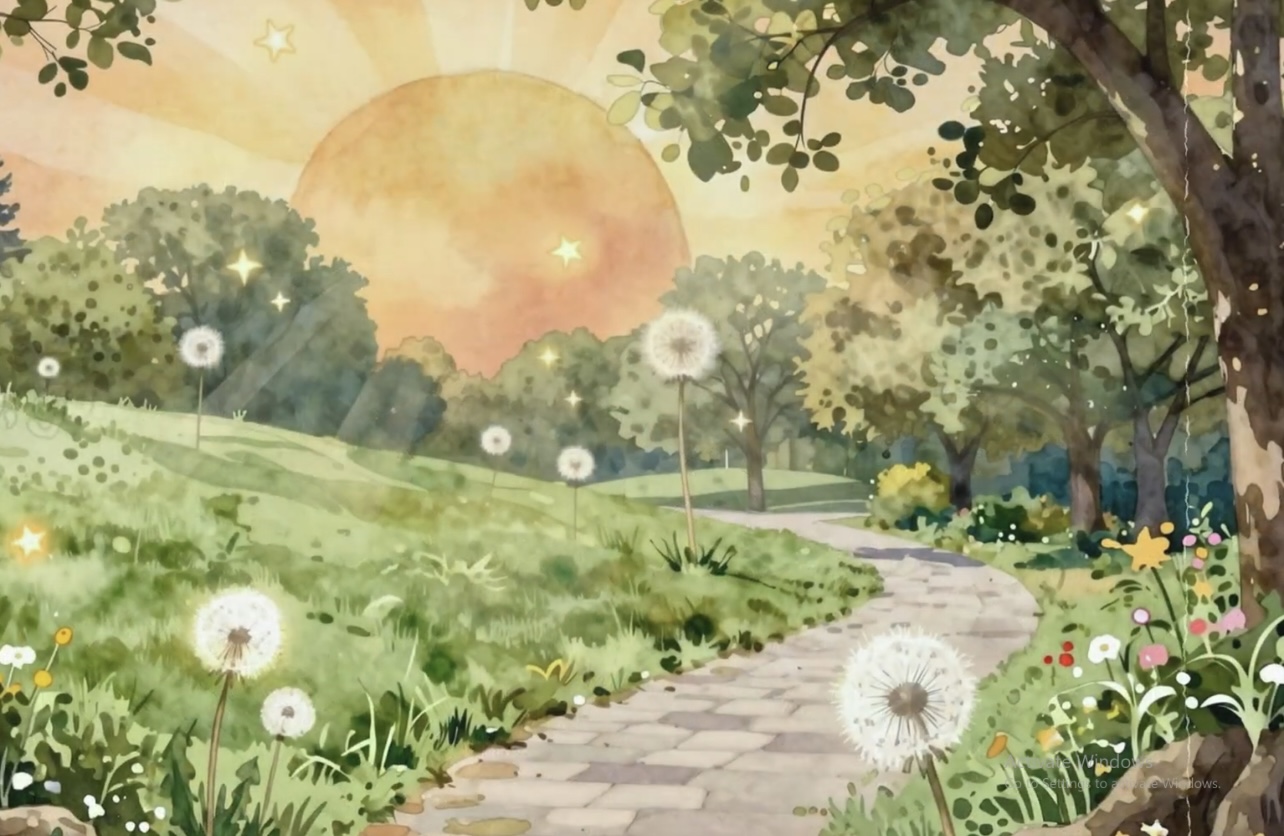
Rusty Reid brings a warm, personal perspective to Johnny Nash’s beloved classic “I Can See Clearly Now,” revisiting the 1972 hit with genuine respect for its enduring charm. Rather than attempting to radically reinvent the song, Reid preserves the optimism and easygoing character that made the original so memorable while introducing the unmistakable character of his own artistry. His acoustic guitar work and relaxed presence give the cover an inviting quality, making it feel familiar without becoming a simple reproduction of the original.
A major strength of Reid’s interpretation is its commitment to the song’s spirit. He recognizes that the simplicity of “I Can See Clearly Now” is part of its enduring appeal, and his version resists the temptation to make the arrangement unnecessarily dramatic, heavy, or stylistically distant. The bright rhythmic foundation, memorable melody, and positive message remain intact, allowing the song’s natural joy to shine. His vocal approach feels unforced and sincere, creating a performance that connects through warmth rather than excess.
The arrangement, shaped by Jed Demlow on keyboards, bass, drums, and percussion, provides a polished foundation while leaving room for Reid’s individual character to emerge. Particularly effective is the decision to approach the bridge without attempting to replicate every aspect of Nash’s original performance. Reid’s simpler double-tracked treatment gives the section a more intimate quality, while the later appearance of his 1966 Gibson ES-330 adds a distinctly personal touch. The guitar becomes an important marker of identity as the song moves toward its closing moments.
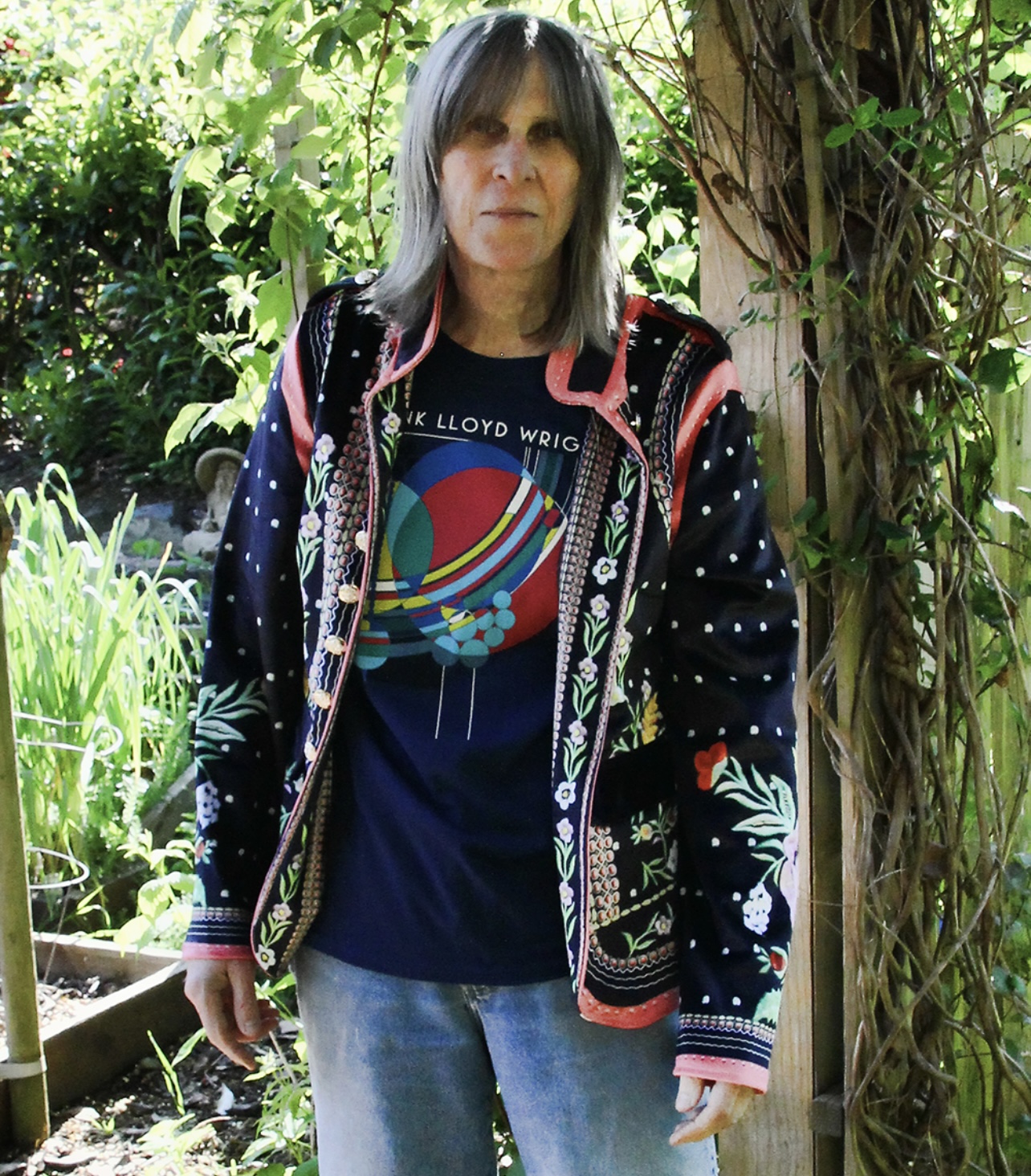
“I Can See Clearly Now” forms part of Reid’s “Lone Stardust,” a collection celebrating songs connected to Texas songwriters and their musical heritage. As an American indie folk-pop-country-rock artist originally from Texas and now based in the Pacific Northwest, Reid brings a sense of place and personal history to this reinterpretation. His version succeeds because it understands when to preserve a classic and when to make subtle changes. The result is a respectful, spirited cover that keeps the timeless optimism of Nash’s composition alive while giving it a fresh signature for 2026.
RUSTYREID.COM FACEBOOK X.COM YOUTUBE SOUNDCLOUD INSTAGRAM BANDCAMP



 English