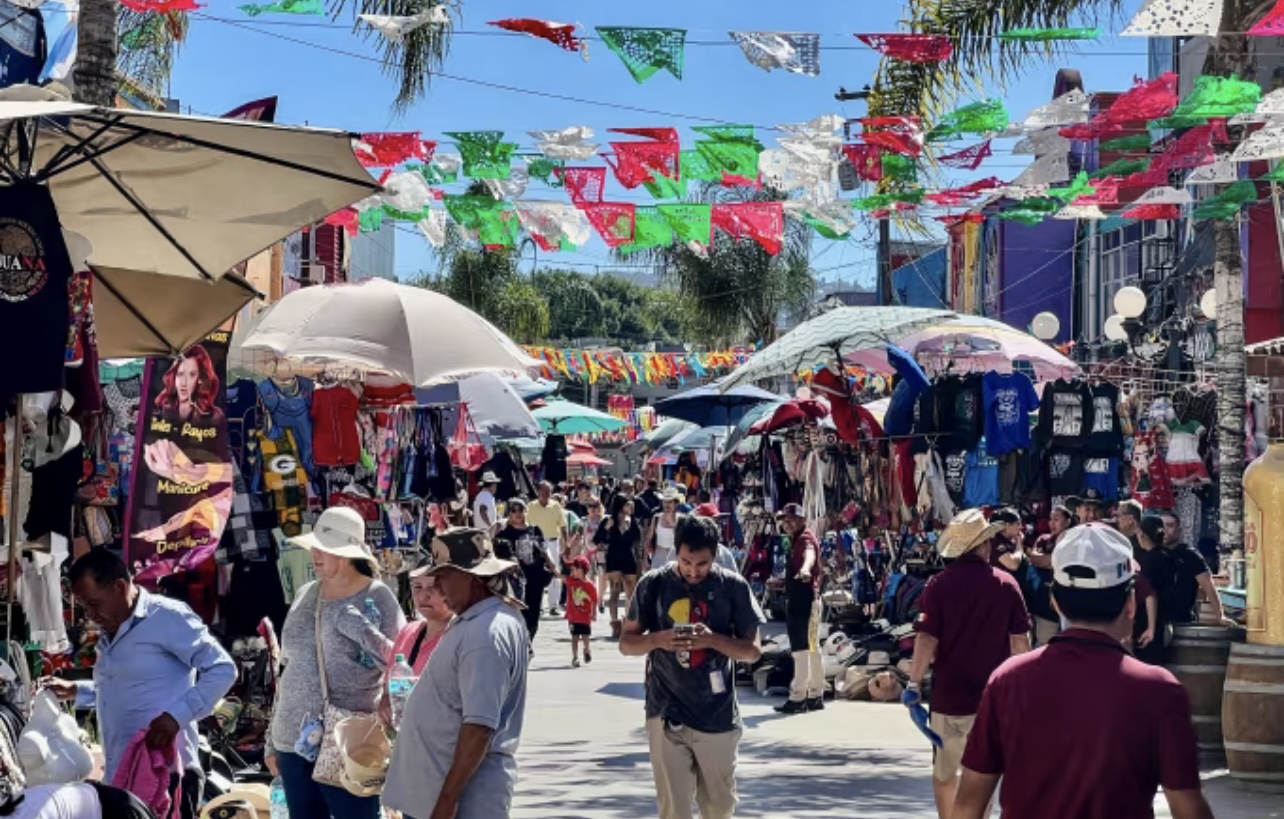
For two decades, Esther Morales chased the American Dream across the border. Time after time, U.S. authorities deported her back to Mexico. Eight times she returned, undeterred. But in 2009, after her ninth deportation, stricter enforcement kept her from reentering the United States.
“It was very sad because my daughter is back in the U.S. … The family separation obviously affected me a lot,” Morales recalled.
Faced with little choice, she decided to make Tijuana home. Sixteen years later, the Oaxaca native has not only built a life in the border city of two million people but has emerged as one of its leading migrant advocates. She now runs a nonprofit that provides support to deportees and asylum seekers, helping them rebuild after experiences much like her own.
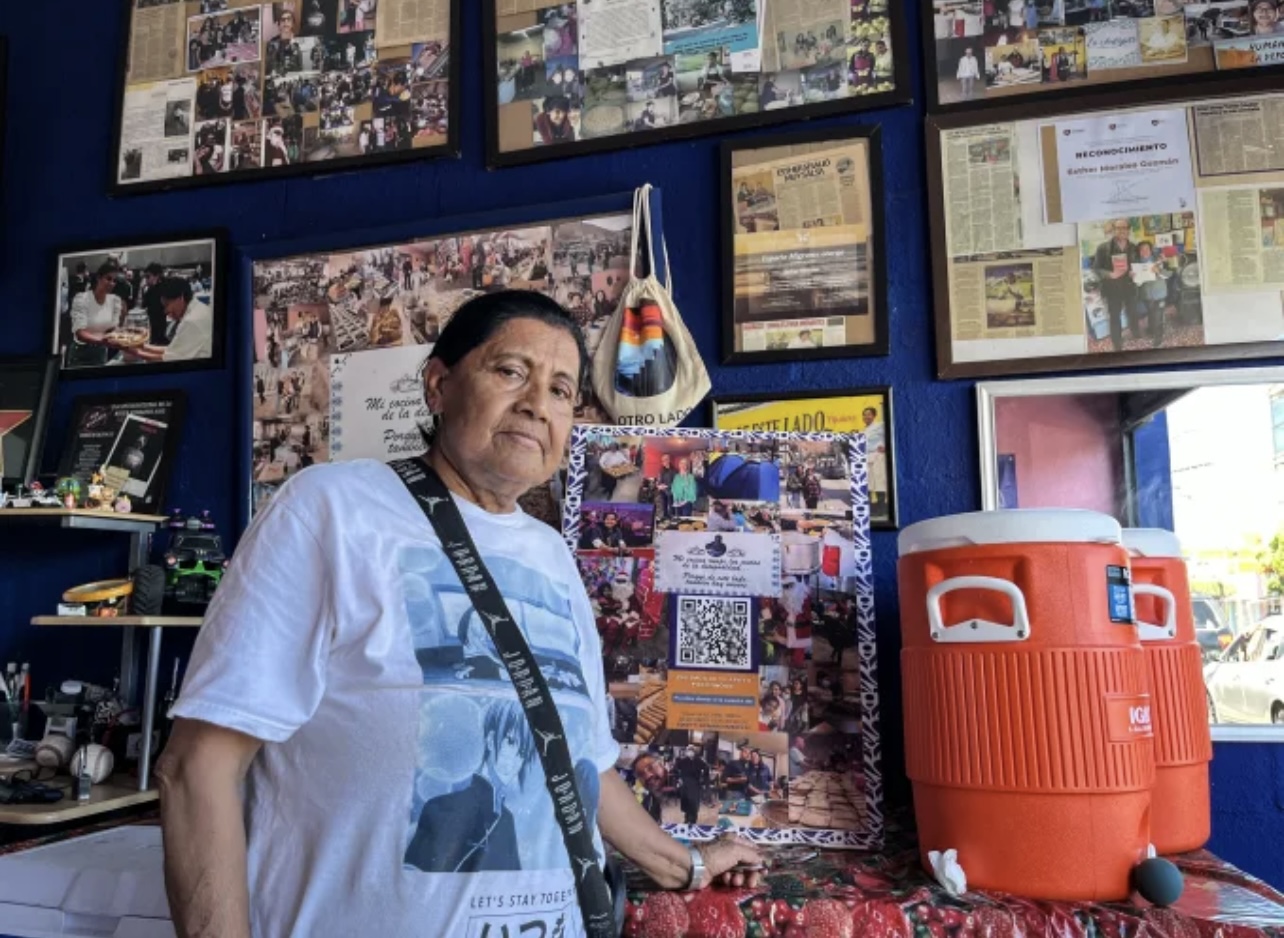
The dream Morales once sought on American soil, she has reshaped in Mexico.
Her story mirrors that of many migrants who, after years of striving to reach or remain in the United States, have carved out opportunities in Mexican border cities.
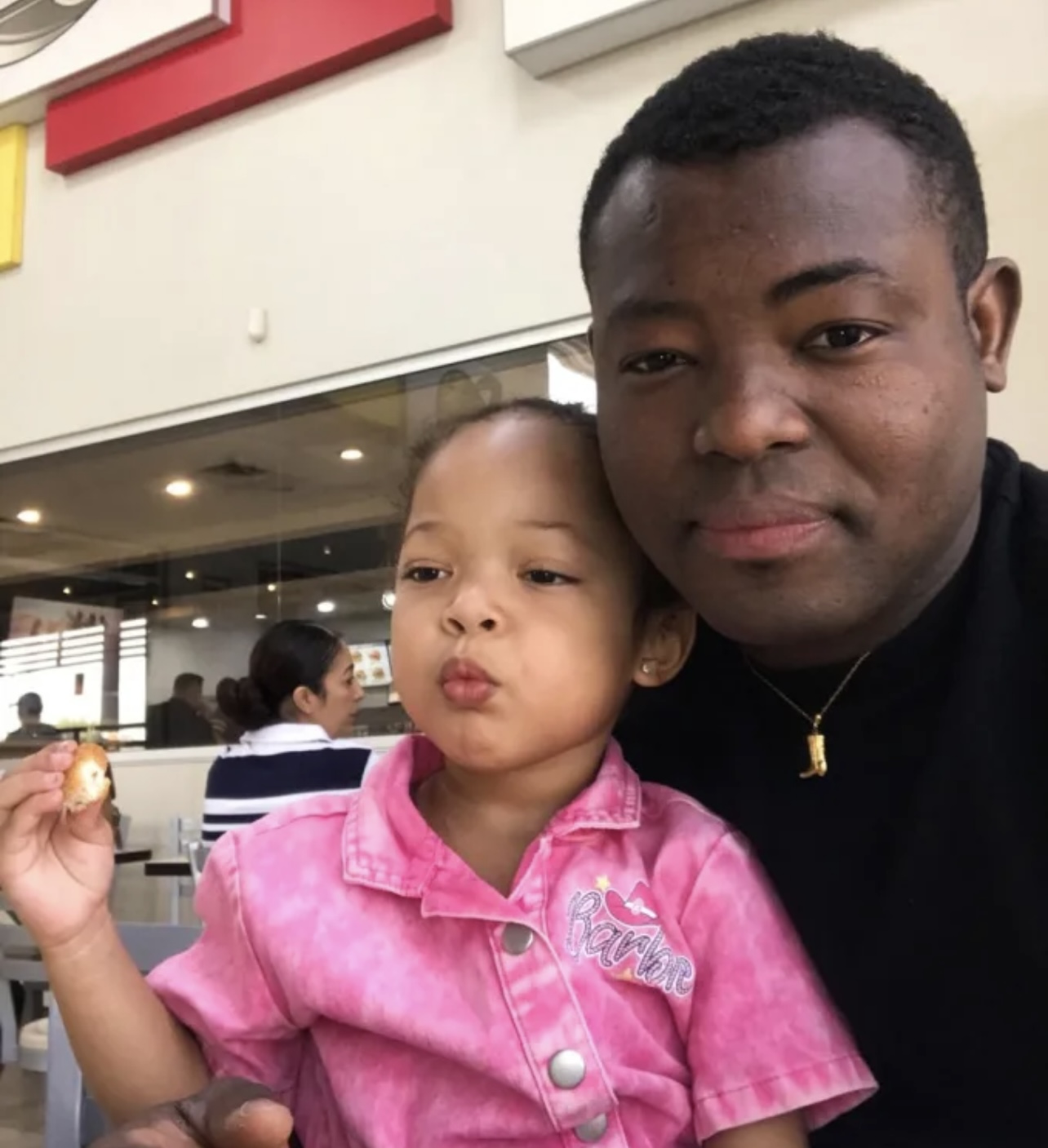
Take Jean Bernaud Gelin, for example. The Haitian migrant traveled 5,000 miles through 10 countries in hopes of settling in the U.S. But when he reached the border, Donald Trump was in office, and his cousin had just been deported. Fearing the same outcome, he stayed in Mexicali. Today, Gelin is an entrepreneur, a math tutor, and, in his words, “proof that opportunities exist everywhere if you adapt.”
For Daniel Ruiz, deportation was a shock. Brought to the U.S. as a baby, Ruiz grew up speaking English with a Southern California accent and felt American in every way. A drug-related arrest, however, led to prison time and deportation nearly 25 years ago. Sent to Tijuana, a city he barely knew, he started over—working in a call center, climbing into management, and eventually opening his own business.
Like Morales, Gelin, and Ruiz, thousands of deportees have been forced to abandon their hopes of building a future in the United States. Yet many have discovered new possibilities in Mexico, creating businesses, leading community projects, and finding belonging where they least expected it.
For Morales, the journey has come full circle. “It was hard to accept,” she said of her final deportation. “But I realized I had to move forward. And I found my dream here.”


 English