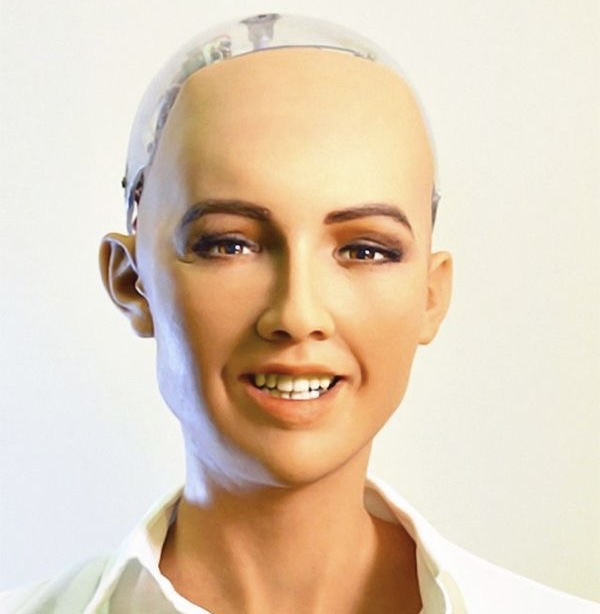
By 2050, advances in artificial intelligence and cybernetics could transform human life in ways that today seem almost science-fictional. Experts in education and technology predict that AI will play a central role in classrooms, making traditional teaching methods nearly obsolete. Children might no longer follow a uniform curriculum; instead, AI tutors could deliver personalized lessons tailored to each student’s abilities, learning pace, and even cognitive patterns. Virtual and augmented realities could immerse students in interactive simulations, while biometric feedback helps AI systems adjust content in real time, creating an individualized learning experience unlike anything seen today.
Beyond the classroom, cybernetic enhancements are expected to reshape human capabilities. Scientists predict widespread use of brain-computer interfaces and neuro-electronic implants, not just for medical purposes, but to augment memory, communication, and decision-making skills. Nanotechnology and neural implants could allow humans to interact seamlessly with machines, blurring the line between biological and technological systems.
AI is also expected to extend its influence into everyday life. From smart infrastructure and personalized healthcare to urban management, AI assistants may help individuals navigate complex decisions while optimizing efficiency in cities and workplaces. In education specifically, AI could act as both mentor and tutor, with human teachers focusing more on coaching, ethical guidance, and fostering creativity, rather than traditional lecturing.
Despite these exciting possibilities, experts warn that such a future comes with serious ethical and social challenges. AI systems processing sensitive personal data could raise privacy concerns, and over-reliance on AI for learning may impact children’s social and emotional development. There is also broader concern about the potential for AI to surpass human intelligence later in the century, which could bring both unprecedented opportunities and serious societal risks.
By 2050, the fusion of AI education technologies and cybernetic enhancements may deliver a future where humans and machines coexist in highly integrated ways, offering unparalleled educational experiences and enhanced human capabilities. How society manages this transformation — balancing innovation with ethical oversight — will determine whether the benefits of this new era are shared widely or accompanied by unforeseen consequences.



 English