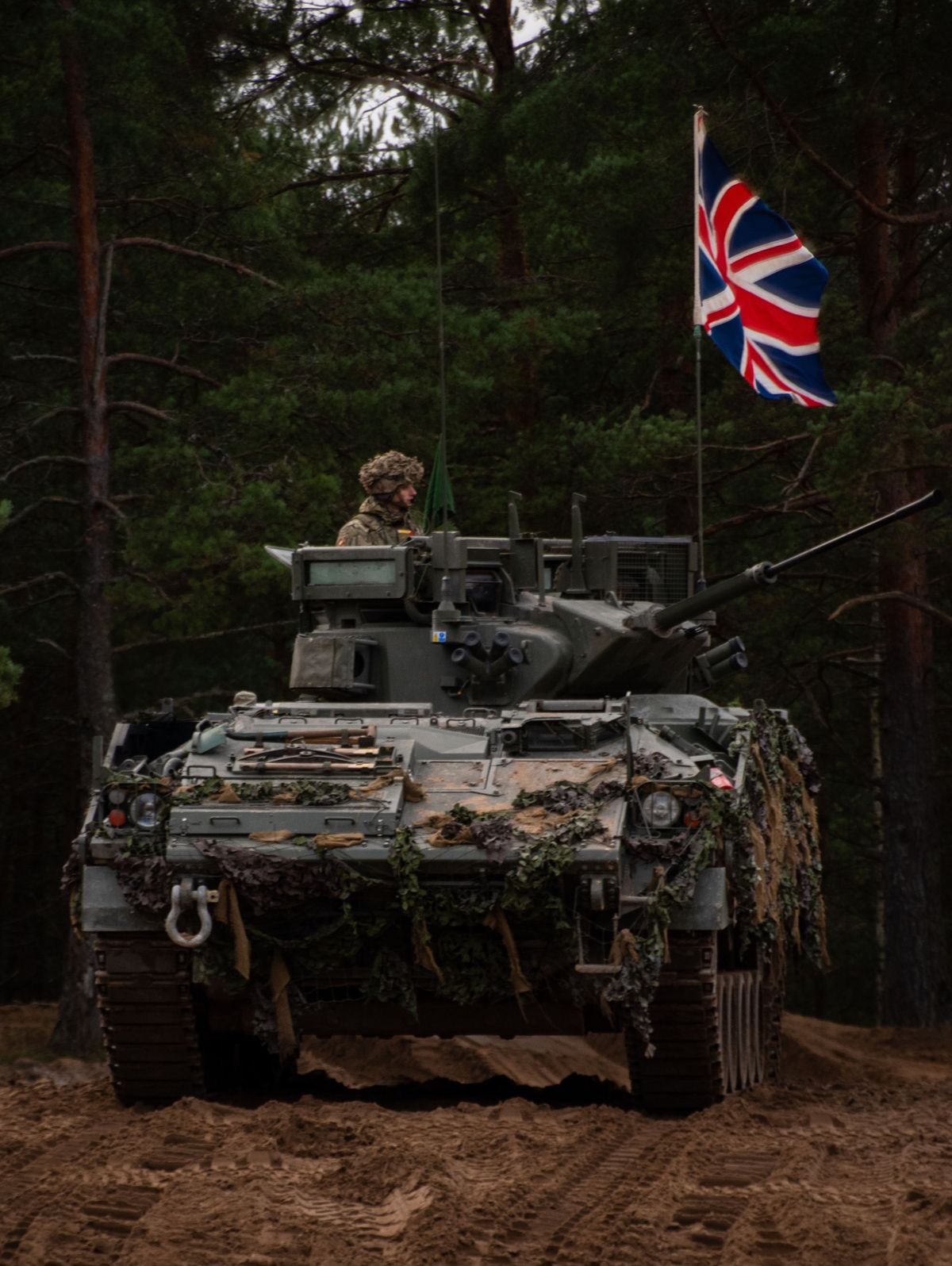
An inquiry by the British Army discovered that some soldiers stationed at a controversial camp in Kenya continue to use sex prostitutes despite being prohibited from doing so. Soldiers at the British Army Training Unit Kenya (Batuk) employed sex workers “at a low or moderate” level, according to a report, and additional action was needed to eliminate the practice. The probe lasted more than two years, examining activity at the base dating back to July 2022. It was commissioned in October 2024 in response to an ITV investigation into Army behaviour in Batuk, which included allegations that some army personnel were paying local women for sex.
The ITV program follows earlier concerns about Batuk, including the death of a local lady, Agnes Wanjiru, in 2012, who was allegedly killed by a British soldier stationed at the camp. Since then, a number of claims have been made about military conduct at the training camp, which is located near the town of Nanyuki, 200 kilometres (125 miles) north of Kenya’s capital Nairobi. The UK Ministry of Defence barred its personnel from engaging sex workers abroad in 2022 as part of measures to reduce sexual exploitation and abuse in the military. According to UK Chief of General Staff Gen Sir Roly Walker, the army is committed to ending sexual exploitation among its members.
“According to the findings of the Service Inquiry I commissioned, transactional sex continues to occur in Kenya at a low to moderate level. “This should not be happening at all,” he remarked. “There is no place for sexual exploitation or abuse in the British Army. It contradicts the very definition of a British soldier. It preys on the defenceless while benefiting those who profit from abuse and exploitation,” he said. The service inquiry was conducted by a four-person panel that included two serving officers, a civil servant, and an independent adviser.
It analysed the attitude of troops stationed at Batuk and evaluated the army’s measures to prevent violations of rule JSP 769, which prohibits soldiers from paying for sex. The study reveals 35 incidents in which Batuk soldiers were accused of paying for sex since July 2022, when guidelines for soldiers on the rule was published. During that time, 7,666 British soldiers stationed at the camp. It states that 26 of those occurred before training on the new regulation was implemented for all army personnel in November of that year, with nine recorded cases since. In most cases, the accusation that troops paid for sex was never established.
In addition to those listed in the report, the Foreign Office stated that a tiny number – less than five – of alleged sex worker abuses are now being investigated. The claimed incidents occurred after the inquiry was completed. According to the report, despite the Army’s training and control efforts, “transactional sexual activity” by UK forces in Kenya continues, with “the level somewhere between low and moderate.” “It is not out of control, but the best way for the Army to manage the risk is for the Army to assume it may be at the upper end of that scale between low and moderate,” said the report’s conclusion.
The study recognised the Army’s efforts to eliminate the practice, including frequent training and the employment of “sharkwatch” patrols with a noncommissioned officer of the rank of sergeant or above deployed to oversee the conduct of junior people when they departed the base for nights out. The army said it will put the report’s recommendations into action, such as making it simpler to fire soldiers who used sex workers and providing further training.
The report comes after years of controversy over soldiers’ conduct at Batuk, sparked by a Sunday Times investigation in 2021 that revealed the alleged involvement of a British soldier in the murder of Ms Wanjiru, a mother of one whose body was discovered dumped in a septic tank near a hotel where she had been seen with soldiers the night she vanished. Separately, in Kenya, MPs have been conducting an inquiry into broader allegations of mistreatment of local people by soldiers at Batuk, and have heard claims at public hearings of injuries allegedly sustained as a result of British troop behaviour, as well as soldiers fathering children with Kenyan mothers and then abandoning them when they returned home.
In June of this year, a soldier stationed at the post was returned to the United Kingdom after being accused of rape. The Service Inquiry, which commissioned the current report, stated that it spoke with many local Kenyans and discovered that “the vast majority” of locals were pleased with the presence of the Batuk camp.


 English