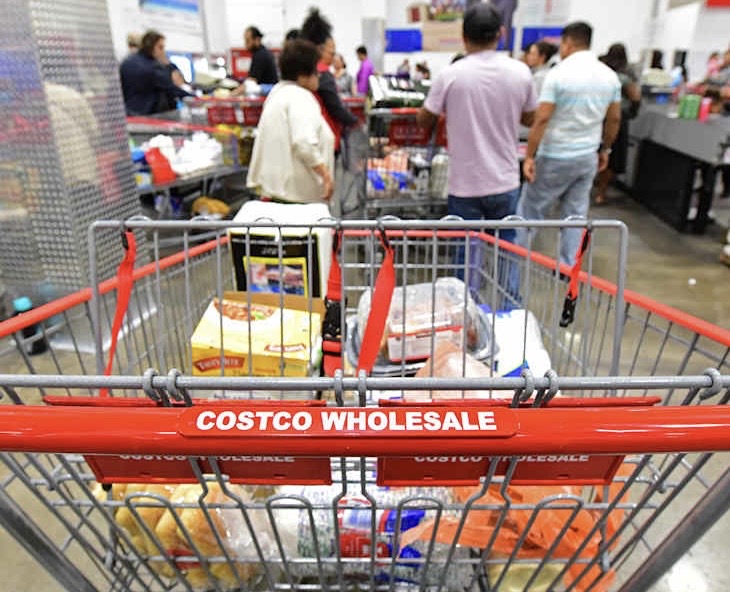
Costco Wholesale Corporation has filed a lawsuit against the U.S. government, targeting U.S. Customs and Border Protection (CBP) and its commissioner, in an effort to reclaim tariff payments made under import duties imposed during former President Donald J. Trump’s administration. The case was submitted on November 28 to the U.S. Court of International Trade.
The lawsuit challenges a series of global tariffs imposed under the 1977 International Emergency Economic Powers Act (IEEPA). Costco contends that the IEEPA does not grant the president authority to levy import duties, making the tariffs unlawful. While several lower courts, including the Federal Circuit Court of Appeals and the Court of International Trade, have already ruled the tariff orders invalid, that does not automatically guarantee that companies like Costco will receive refunds. The complaint emphasizes the urgency of the matter, as CBP has begun the “liquidation” process of import entries, which is scheduled to finalize tariff charges by mid-December. Once liquidation occurs, importers may lose the opportunity to reclaim their duties.
The lawsuit is part of a broader wave of litigation from multiple businesses seeking assurance that they can recover tariffs if the Supreme Court invalidates the program. The underlying cases, including Learning Resources v. Trump and V.O.S. Selections, Inc. v. Trump, reached the Supreme Court, which heard oral arguments on November 5, 2025, and is expected to issue a ruling soon. If the court rules against the tariffs, estimates from the Department of the Treasury suggest potential liability for the U.S. government of $750 billion to $1 trillion in refunded duties.
Costco is seeking a declaration that the tariff orders are invalid under federal law, a full refund of all duties paid under the orders, and an injunction preventing CBP from finalizing entries that would lock in tariff obligations before the Supreme Court issues its decision. The outcome of this case could have far-reaching implications. If refunds are granted broadly, many importers beyond Costco could reclaim substantial sums, potentially reshaping global supply chains and pricing structures. For retailers like Costco, successful litigation could provide significant financial relief. For the U.S. government, a large refund obligation could strain federal finances and set an important precedent on the limits of executive power under emergency-powers statutes. The ruling may also influence the future use of emergency powers in U.S. trade policy, reinforcing Congressional authority over tariffs and customs duties.
With the Supreme Court’s decision pending, the legal pathway for importers to seek restitution will only open once a ruling is issued, making the timing of court action critical for companies like Costco.

 English