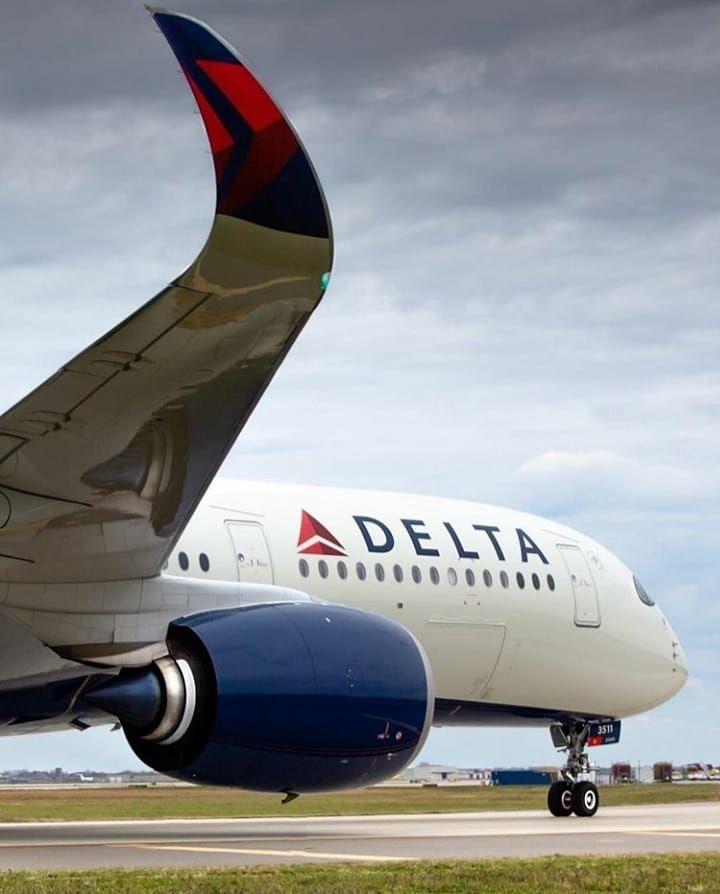
On Wednesday, a Delta Airlines flight made an emergency landing at Minneapolis-St. Paul International Airport after “significant” turbulence wounded dozens of passengers. Flight 56, scheduled for Amsterdam, took off from Salt Lake City Airport at 16:30 local time (23:30 BST) and was diverted to Minneapolis. It landed just over two hours into its nine-hour journey time, about 19:45 local time (01:45 BST). When the Airbus A330-900 arrived in Minneapolis, medical staff greeted it to “evaluate customers and crew,” with 25 people being transferred to nearby hospitals for treatment. In a statement, Delta stated that it is “working with customers to support their immediate needs”.
There were 275 passengers and 13 crew members onboard. Since 2009, there have been 207 severe injuries caused by turbulence in the United States, with one person sent to the hospital for more than 48 hours, according to official National Transportation Safety Board numbers. According to estimates, approximately 5,000 incidences of severe-or-greater turbulence occur each year, out of a total of more than 35 million aircraft that now take off around the world. Severe turbulence is described as a plane’s up and down movements over disturbed air exerting more than 1.5g-force on your body, which would lift you out of your seat if you weren’t wearing a seatbelt.



 English