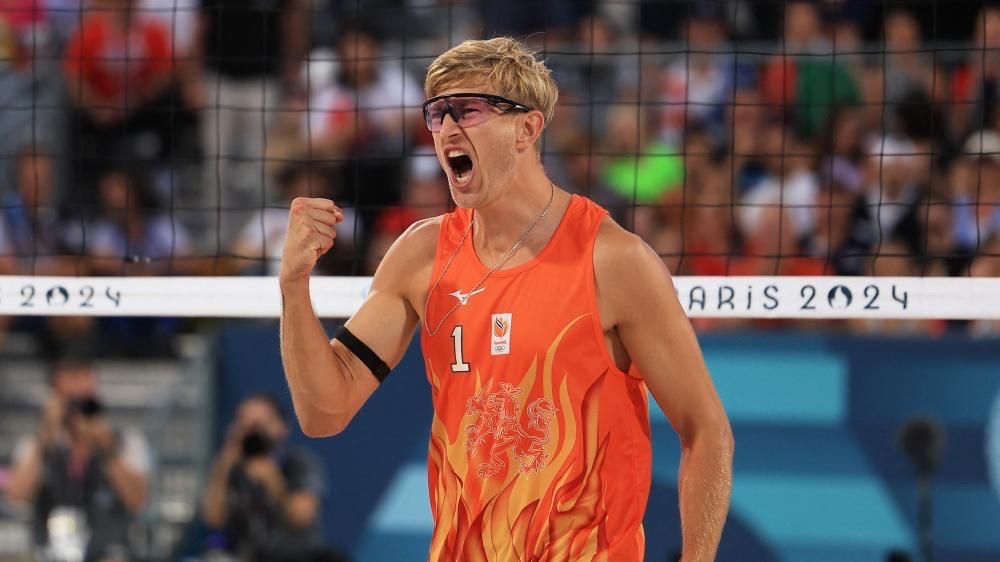
Australian authorities have refused a visa to Dutch beach volleyball player Steven van de Velde, blocking him from competing at the Beach Volleyball World Championships in Adelaide in mid-November because of a past criminal conviction.
Australia’s Department of Home Affairs rejected van de Velde’s application on character grounds, the government said, citing his 2016 conviction in the UK for raping a 12-year-old girl. Van de Velde was 19 at the time; he was sentenced to four years in prison and served about 13 months before being released. The visa refusal means van de Velde — and by extension his teammate — will miss the tournament.
Home Affairs Minister Tony Burke said the government must use “every tool we have available to ensure that Australians can be safe and feel safe in their communities,” invoking the character test the government applies when assessing entry to the country. The decision follows public pressure in South Australia, where officials including the state attorney-general had urged Canberra to refuse the athlete entry.
The Dutch volleyball federation (Nevobo) confirmed the visa refusal and expressed regret that the team will be without van de Velde at the world championships. Van de Velde acknowledged previously that his criminal record could present visa problems; he resumed his international career after release and was part of the Dutch contingent at the Paris Olympics, where his selection prompted public backlash.
Reaction has been mixed internationally: child-safety charities and some political figures applauded Australia’s decision, while others have debated questions about rehabilitation, second chances and the responsibilities of sporting bodies in selecting athletes with serious criminal records. Tournament organisers and Volleyball Australia said they would focus on delivering a successful event and consult the International Volleyball Federation about replacements and logistics.
Van de Velde’s case has been repeatedly covered in the international media since his conviction became public and especially after his return to elite competition. His inclusion in major events has previously sparked petitions, protests and a heated public debate about the balance between punishment, rehabilitation and public safety — a debate that has resurfaced with Australia’s refusal to grant him entry.



 English