
A special tribunal in Dhaka has handed down a death sentence in absentia to former Bangladeshi Prime Minister Sheikh Hasina, convicting her of crimes against humanity in connection with last year’s brutal crackdown on student-led protests. The verdict, delivered by a three-judge bench of the International Crimes Tribunal, found Hasina guilty on multiple counts: incitement, issuing orders to kill, and failing to prevent atrocities.
According to the court, Hasina authorised the use of helicopters, drones, and lethal weapons against protesters, effectively giving a green light for security forces to carry out a violent suppression. The judges said she bore ultimate responsibility for the bloodshed, describing her as the “mastermind and principal architect” of the crackdown.
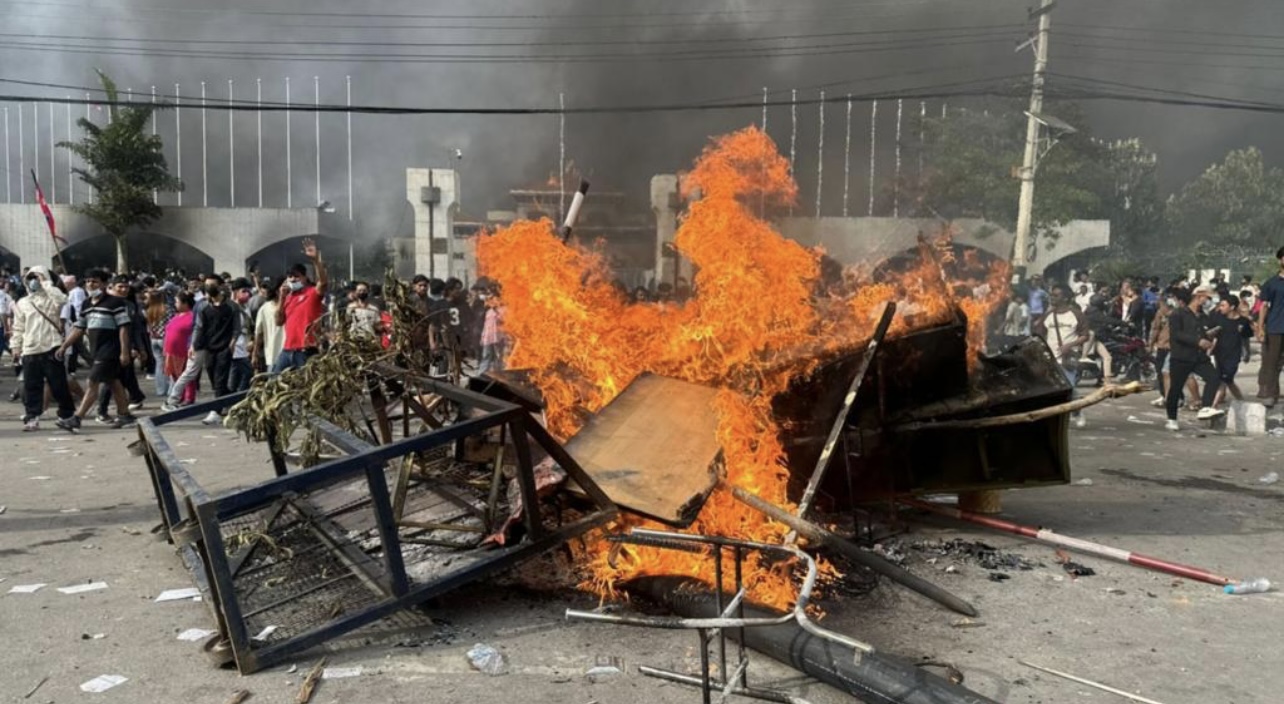
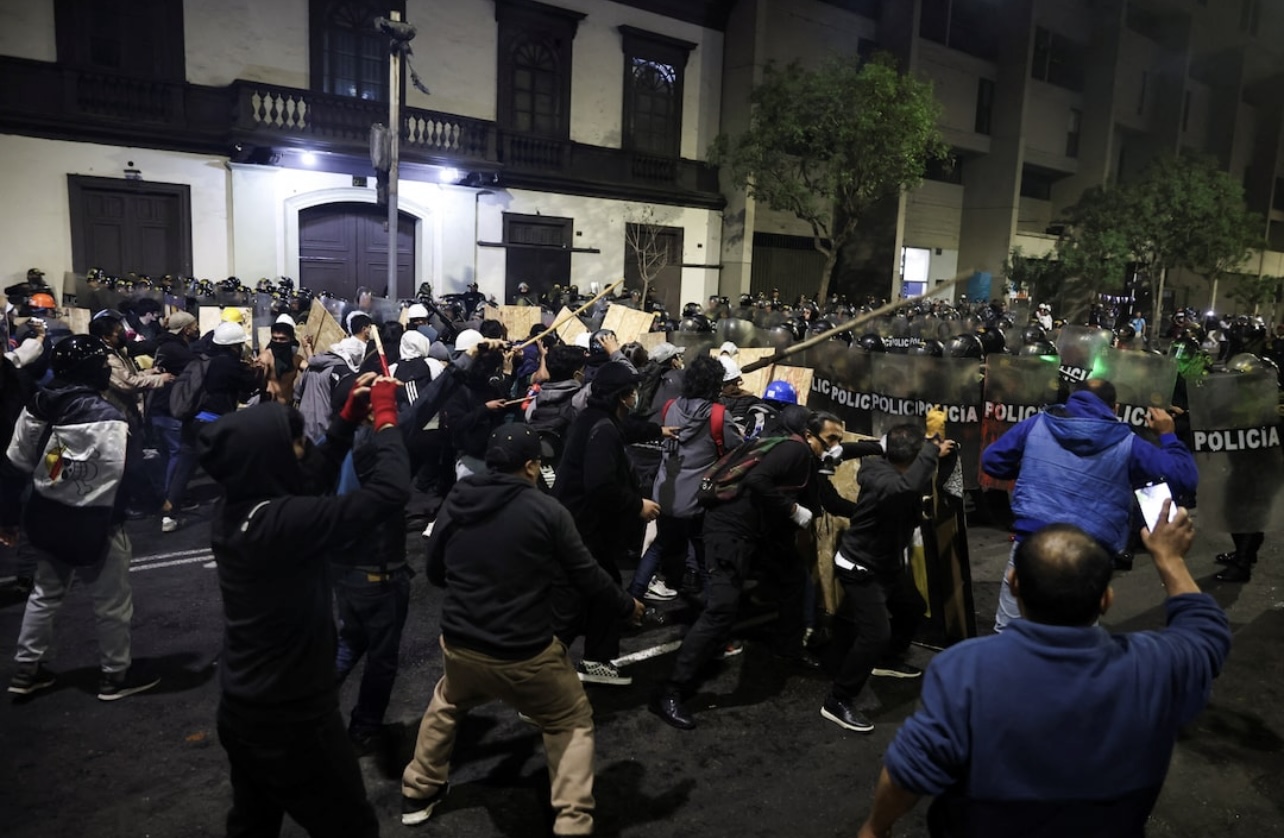
The scale of the violence has been particularly shocking. According to United Nations estimates, as many as 1,400 people may have died during the protests in July and August 2024. Prosecutors in court said the security forces committed widespread abuses — firing on unarmed students, using heavy weapons, and systematically targeting protestors.
Hasina, who fled to India in August 2024, was not present in court. She has long rejected the tribunal’s legitimacy, calling the trial “politically motivated,” biased, and rigged by a government without a democratic mandate. She argued that she never directly ordered killings, and that the turmoil was a loss of control rather than a deliberate assault.
Along with Hasina, the tribunal also sentenced former Interior Minister Asaduzzaman Khan Kamal, who was also tried in absentia, to death. Former police chief Chowdhury Abdullah Al-Mamun, who had pleaded guilty, received a five-year prison term.
The verdict has exacerbated already high tensions in Bangladesh. Security was visibly stepped up in Dhaka ahead of the announcement, with armoured vehicles, checkpoints, and a large number of police deployed to maintain order.
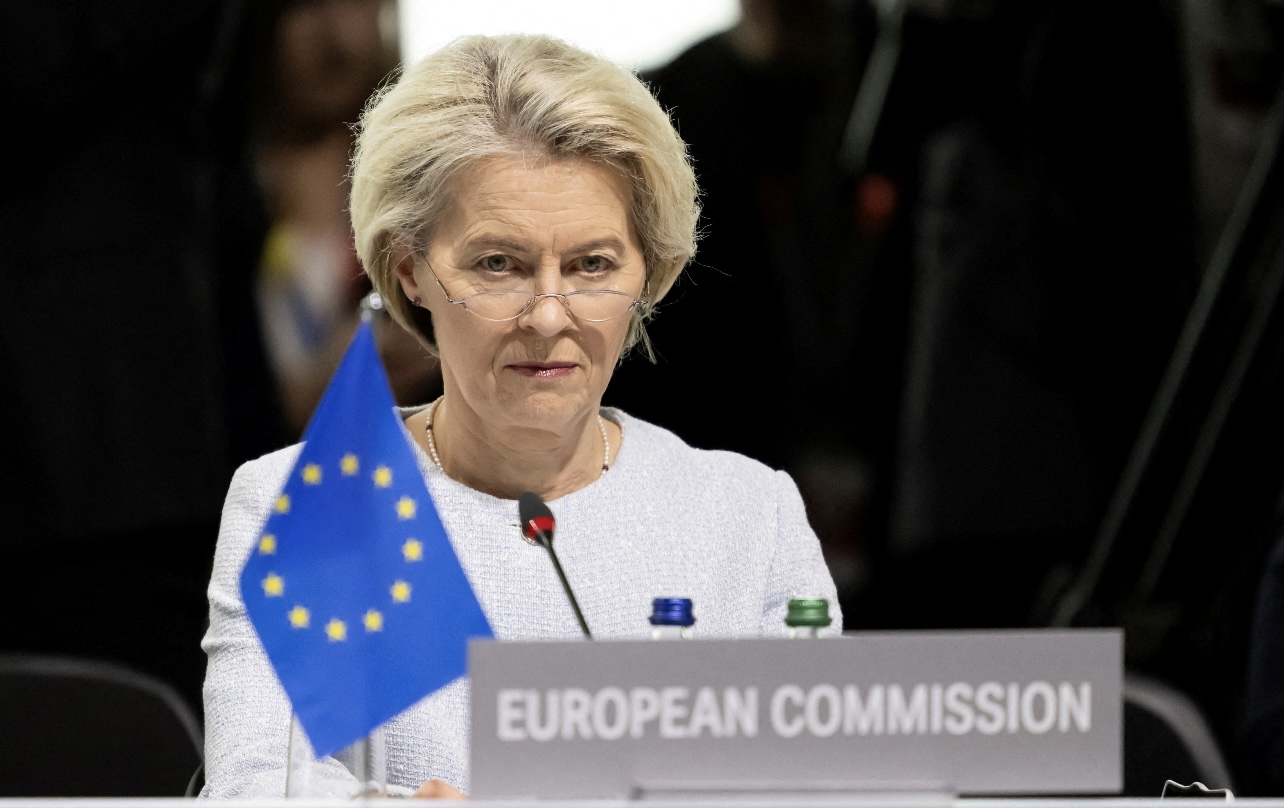
International reaction has been mixed. While some welcome the ruling as a form of accountability for what many consider state-sponsored violence, others have expressed deep concern over the use of the death penalty. The UN human rights office called it a “significant moment for victims,” but also said the sentence was regrettable and urged adherence to international standards.
In her response, Hasina maintained her innocence, calling the tribunal a “kangaroo court” and vowing that she would continue her political struggle. Her supporters, including her party the Awami League, have denounced the verdict as part of a broader campaign to sideline them.
This ruling comes amid significant political volatility in Bangladesh. The interim government, led by Nobel laureate Muhammad Yunus, has been charged with restoring democratic order following Hasina’s fall from power. Meanwhile, Bangladesh has formally sought Hasina’s extradition from India, a request that New Delhi has so far approached cautiously.
 English