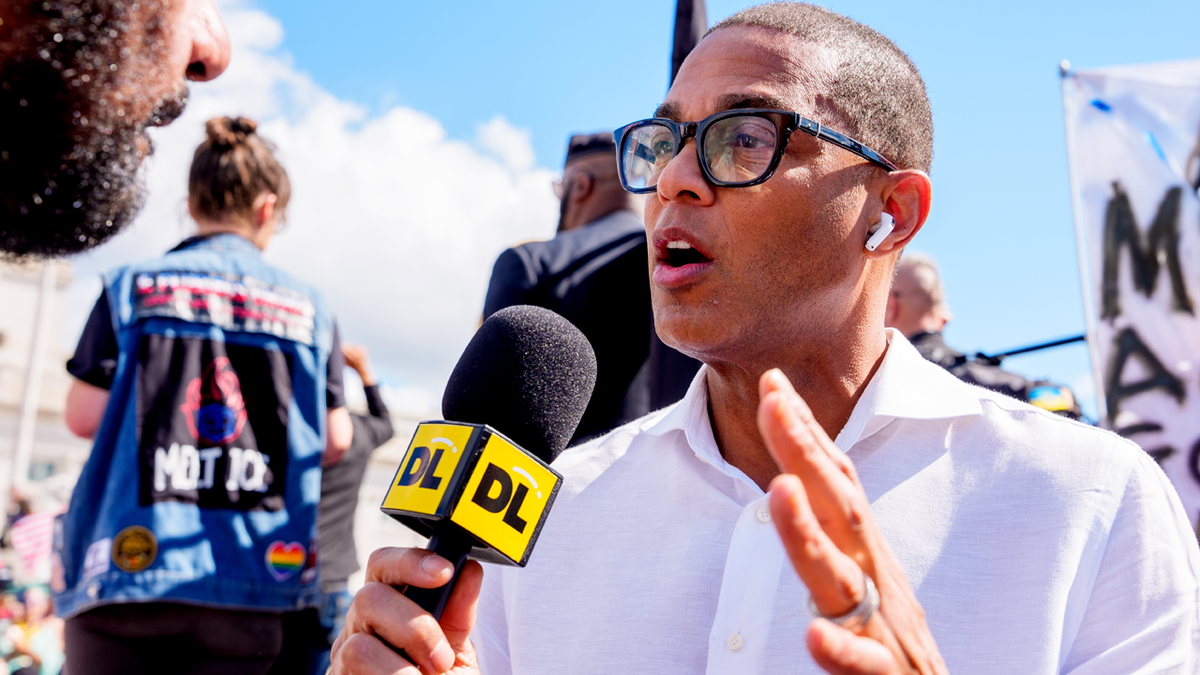
Former CNN anchor Don Lemon was taken into federal custody Thursday evening in Los Angeles in connection with a controversial anti‑ICE protest that disrupted a church service in St. Paul, Minnesota earlier this month. Federal agents executed the arrest, nearly two weeks after the January 18 demonstration at Cities Church.
The protest drew national attention after demonstrators entered the church during a worship service, chanting slogans critical of U.S. Immigration and Customs Enforcement (ICE) and accusing one of the church’s pastors of also serving as an ICE official. Lemon, now an independent journalist hosting his own show, livestreamed portions of the event and conducted interviews with protesters, churchgoers, and the pastor.
Lemon’s attorney, Abbe Lowell, confirmed the arrest and condemned it as an attack on press freedoms. Lowell said Lemon was “taken into custody by federal agents Thursday night in Los Angeles, where he was covering the Grammy Awards,” and described his reporting work at the Minnesota protest as “constitutionally protected.”
The precise federal charges alleged against Lemon have not been publicly detailed, but law enforcement sources told reporters the case stems from actions allegedly connected to the church protest. Authorities reportedly believe that disruption of the worship service may have violated federal laws designed to protect religious observances and civil rights.
Lemon’s arrest triggered sharp criticism from journalists, First Amendment advocates, and some lawmakers, who argue that prosecuting a journalist for covering or observing a protest undermines press freedoms. Critics say the First Amendment protects journalists who document demonstrations, even when they are contentious or politically charged.
This incident comes amid wider political tensions over immigration policy in the U.S. and federal law enforcement’s role in addressing protests that intersect with religious services and civil rights. In recent weeks, several others connected to the Minnesota protest have also been arrested, though legal experts note that courts earlier refused to approve charges against Lemon due to questions about probable cause.
Lemon is expected to appear in federal court in the coming days to address the charges. The case remains a developing story with significant implications for journalism, protest rights, and federal enforcement of civil and religious freedom laws.


 English