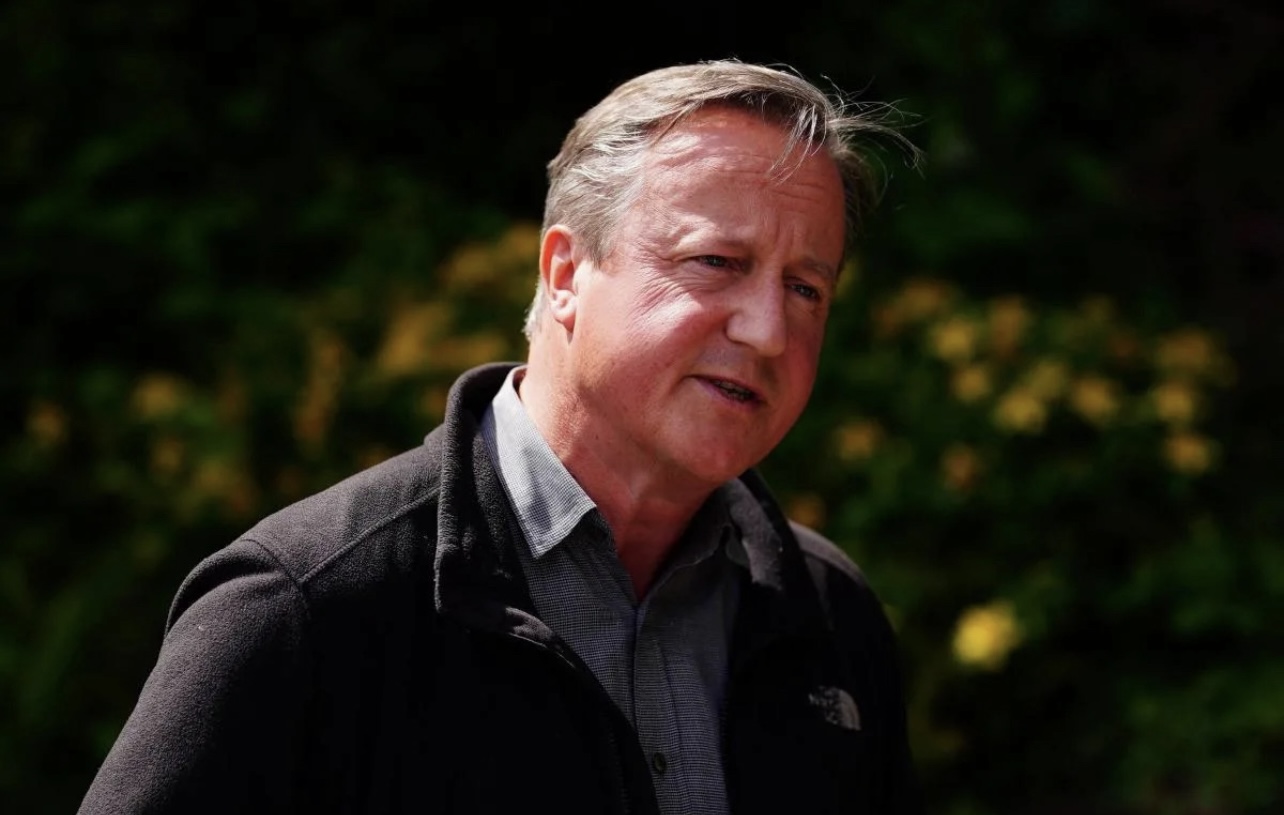
Former UK prime minister Lord David Cameron has revealed that he was diagnosed with prostate cancer earlier this year and has since undergone successful treatment. In an interview with The Times, he explained that the discovery began when his wife, Samantha, encouraged him to take a routine PSA blood test after she heard a radio interview with a prostate cancer survivor. The results showed an unusually high reading, prompting an MRI scan and a biopsy that confirmed the presence of cancer.
Cameron chose focal therapy, a modern and minimally invasive procedure that uses targeted electrical pulses to destroy cancerous tissue while preserving healthy parts of the prostate. He later underwent a follow-up MRI scan that showed the treatment had worked. Reflecting on the diagnosis, Cameron said it was a moment every patient dreads, describing how he knew what the doctor was about to say before he heard the words.
His diagnosis also carried a deeply personal weight, as his older brother died of pancreatic cancer at a similar age. Cameron said this made him particularly alert to the seriousness of the situation and grateful for early detection.
Following his recovery, Cameron has called for the UK to revisit the issue of prostate cancer screening. He believes that a targeted screening programme for men at higher risk rather than a universal national programme could save lives by identifying cancers earlier. While acknowledging that PSA testing has drawbacks, including false positives and risks of over-treatment, he argued that advances in diagnostics and treatment mean it is time for the government and health authorities to take a fresh look at screening policy.
Health organisations such as Prostate Cancer UK welcomed his openness, noting that his decision to speak publicly will likely encourage more men to get checked. Prostate cancer remains the most commonly diagnosed cancer in UK men, with tens of thousands of new cases each year, and many experts believe early detection is key to successful treatment outcomes.
Cameron’s announcement comes as the UK’s National Screening Committee prepares to review new evidence on prostate cancer testing, and as large clinical trials continue to explore more precise screening methods. His intervention has added significant momentum to the national conversation about men’s health and the future of prostate cancer prevention in the UK.



 English