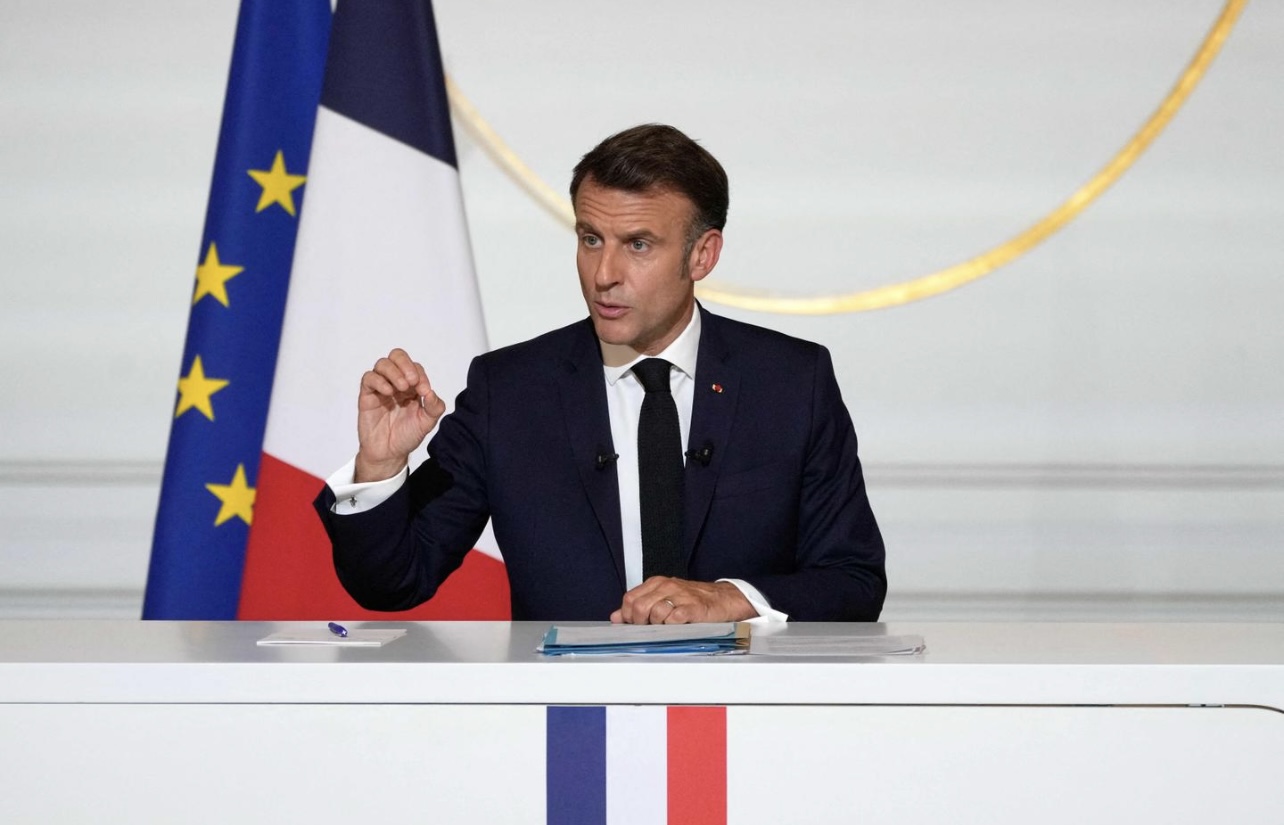
France formally recognised the State of Palestine on Monday, joining a string of Western governments that this weekend and Monday moved to extend diplomatic recognition amid growing international alarm about the war in Gaza and renewed efforts to revive a two-state peace process.
President Emmanuel Macron announced Paris’s decision at a high-level United Nations conference that he co-chairs with Saudi Arabia, saying the move is intended to restore momentum behind a negotiated two-state solution and to put the search for peace back at the centre of international diplomacy. The French foreign ministry had flagged the decision earlier this summer, saying France would recognise Palestine in September as part of a broader push around the conference.
The French announcement follows coordinated recognitions by Britain, Canada, Australia and Portugal over the weekend, moves that officials said were driven by frustration over the ongoing humanitarian catastrophe in Gaza and the failure of previous diplomatic tracks to produce progress. Senior officials in those capitals framed recognition as a step to empower partners committed to a peaceful, demilitarised Palestinian polity and to pressure Israel towards negotiations.
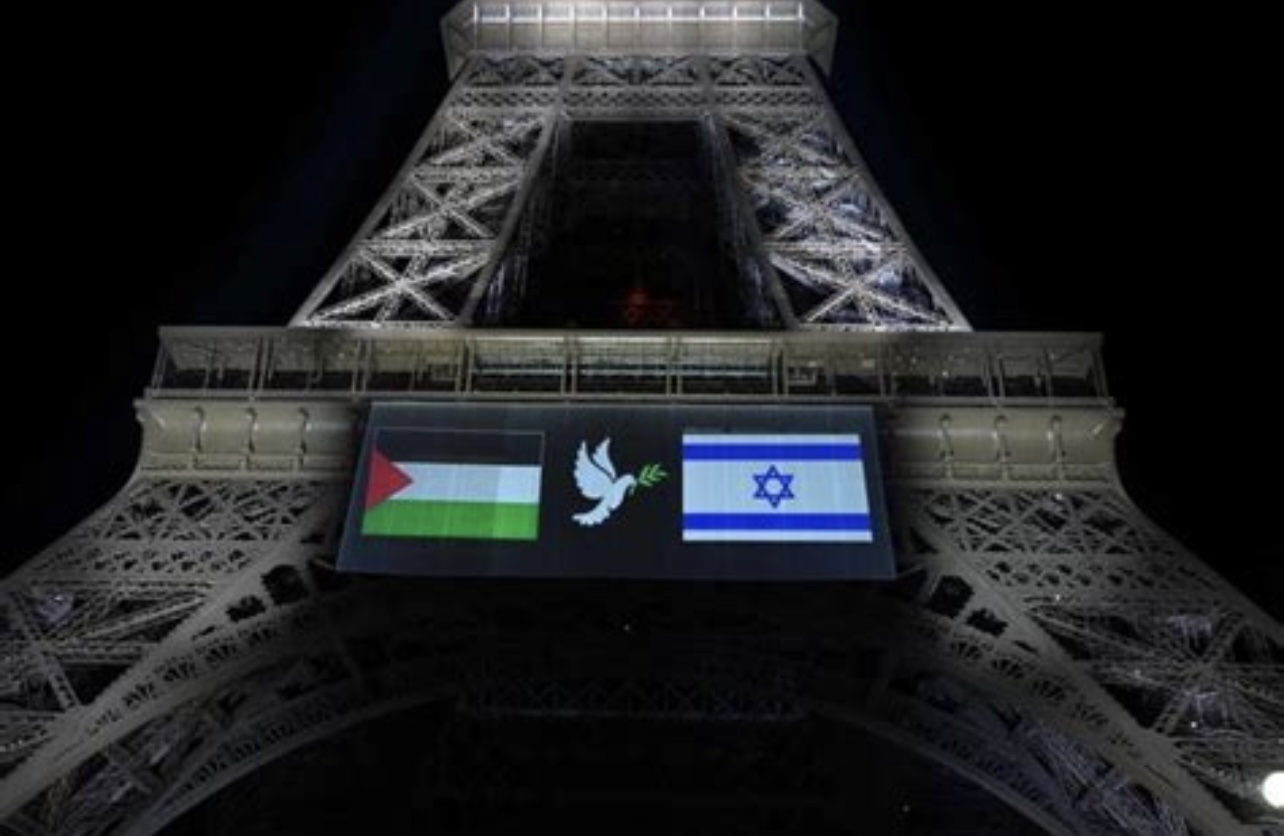
Palestinian authorities welcomed the wave of recognition. Palestinian President Mahmoud Abbas — who addressed the UN meeting virtually after being unable to travel to New York called the diplomatic shift an important step toward statehood and international legitimacy for Palestinian institutions. Palestinian leaders also urged other countries to follow suit.
Israel reacted angrily. Prime Minister Benjamin Netanyahu denounced the recognitions as rewarding terrorism and stated that the establishment of a Palestinian state is unacceptable under current conditions. Israeli ministers reportedly signalled possible retaliatory diplomatic and political measures. The United States, a key Israeli ally and a permanent member of the UN Security Council, did not join the recognition moves and has remained largely silent on the recent cascade of announcements.
Diplomats and analysts say the recognitions are largely symbolic in practical terms — they do not automatically alter facts on the ground in the occupied territories and do not grant Palestine full UN membership without Security Council approval — but they carry political weight. By formally recognising Palestinian statehood, these Western capitals intend to increase diplomatic pressure for a ceasefire, for steps toward Palestinian governance reforms, and to reassert the two-state formula (a Palestinian state in the West Bank and Gaza alongside Israel) as the internationally accepted pathway to a durable peace.
Reaction among world capitals is mixed. Several European states and other UN members either supported the move or signalled they were considering similar steps, while Israel’s strongest supporters warned that unilateral recognition during an active conflict could impede peacemaking and be seen as rewarding militant violence. International organisations, civil society groups and activists reacted along familiar lines: Palestinian advocacy groups hailed the recognitions as long-overdue, and many humanitarian organisations urged the international community to follow recognition with practical measures to alleviate the crisis in Gaza.
What happens next is uncertain. Recognition does not by itself create the institutional or security conditions needed for a functioning Palestinian state. Diplomats say Paris and its partners will likely push for follow-up measures: a roadmap for Palestinian elections, governance and security arrangements that exclude Hamas, expanded humanitarian corridors and renewed international support for Palestinian institution-building. Any meaningful diplomatic breakthrough will also require some degree of Israeli engagement or acquiescence — something current Israeli government statements suggest will be difficult.
Why this matters
Over 140 countries have recognised Palestinian statehood in various forms since the 1988 declaration by the Palestine Liberation Organization. What makes this latest round notable is the participation of traditionally staunch Israeli partners in the West. Their decisions reflect growing domestic and international pressure tied to the Gaza war, and they reshape the diplomatic map by signalling that key Western capitals are prepared to use recognition as a lever to restart political negotiations.

 English