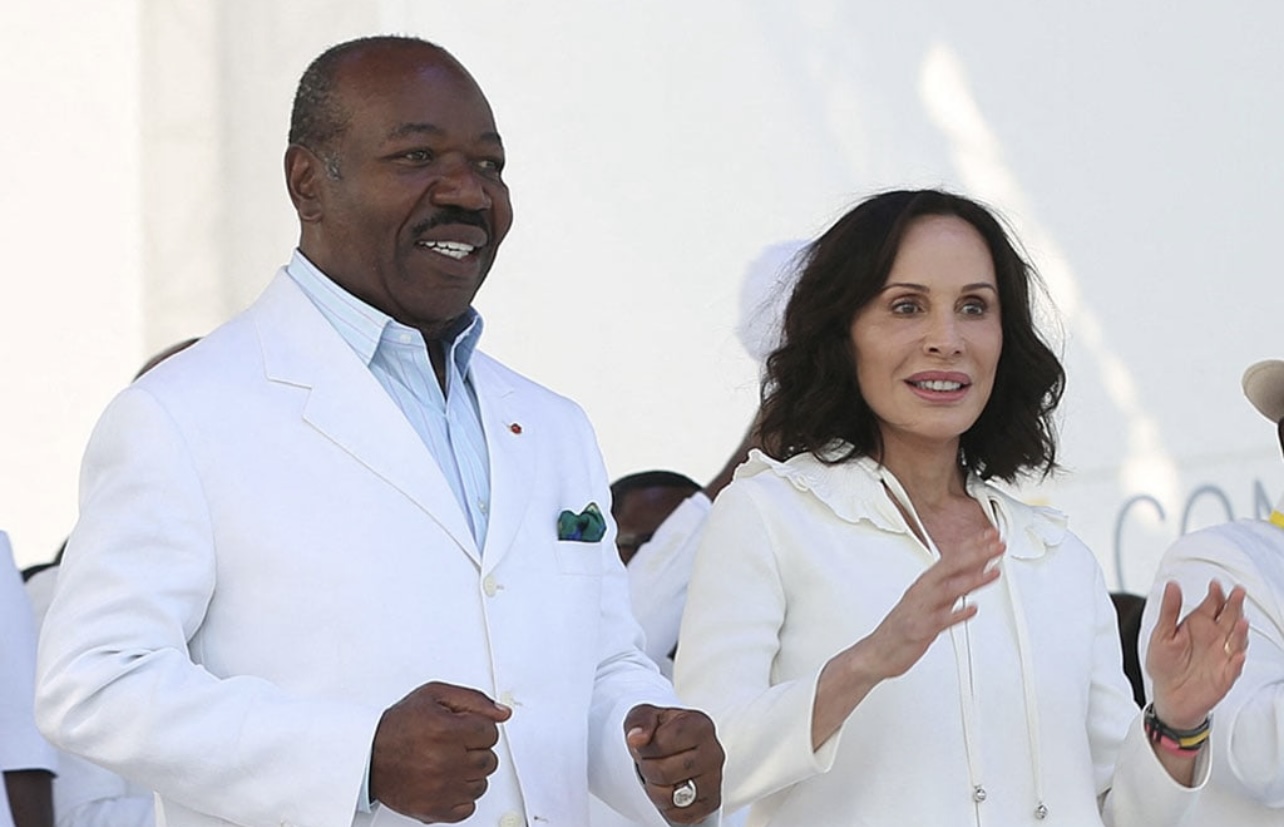
A special criminal court in Gabon has sentenced former First Lady Sylvia Bongo Ondimba and her son Noureddin Bongo Valentin to 20 years in prison for corruption, embezzlement of public funds, money laundering, and forgery. The verdict was announced this week in Libreville after a two-day trial. Both were tried in absentia, as they are reportedly living abroad.
The court found that Sylvia Bongo and Noureddin Valentin had taken advantage of the authority and influence they held during former President Ali Bongo Ondimba’s tenure. Prosecutors accused them of misusing state funds and enriching themselves and their associates, especially during the period following Ali Bongo’s stroke in 2018, when he was said to be incapacitated.
The trial marks a major step in Gabon’s ongoing crackdown on corruption since the August 2023 military coup that removed Ali Bongo from power and ended the Bongo family’s more than 55-year rule. After the coup, the transitional government opened several investigations into the former first family and their close allies. Sylvia and Noureddin were detained shortly after the coup and later placed under house arrest before reportedly leaving the country.
Their lawyers and supporters have condemned the verdict, calling the trial politically motivated and arguing that it lacked transparency and fairness. They claimed that the proceedings were rushed and aimed at discrediting the former ruling family. Noureddin Valentin described the process as “a political witch-hunt” orchestrated by Gabon’s new leadership.
Authorities, however, defended the ruling as a victory for justice and accountability, insisting that it demonstrates the government’s determination to recover public funds and fight systemic corruption. Following the sentencing, Gabonese prosecutors reportedly issued international arrest warrants for the pair.
The verdict is one of the most high-profile cases in Gabon since the coup, and it highlights the deep political and social divisions in the country. While supporters of the current government see it as a long-overdue act of justice, critics warn that it could signal the use of anti-corruption efforts as a political weapon.
The fate of Sylvia Bongo and her son now depends on whether international authorities enforce the arrest warrants and whether the Gabonese government follows through with extradition requests. The case continues to draw regional and international attention as Gabon moves forward under its transitional leadership.
 English