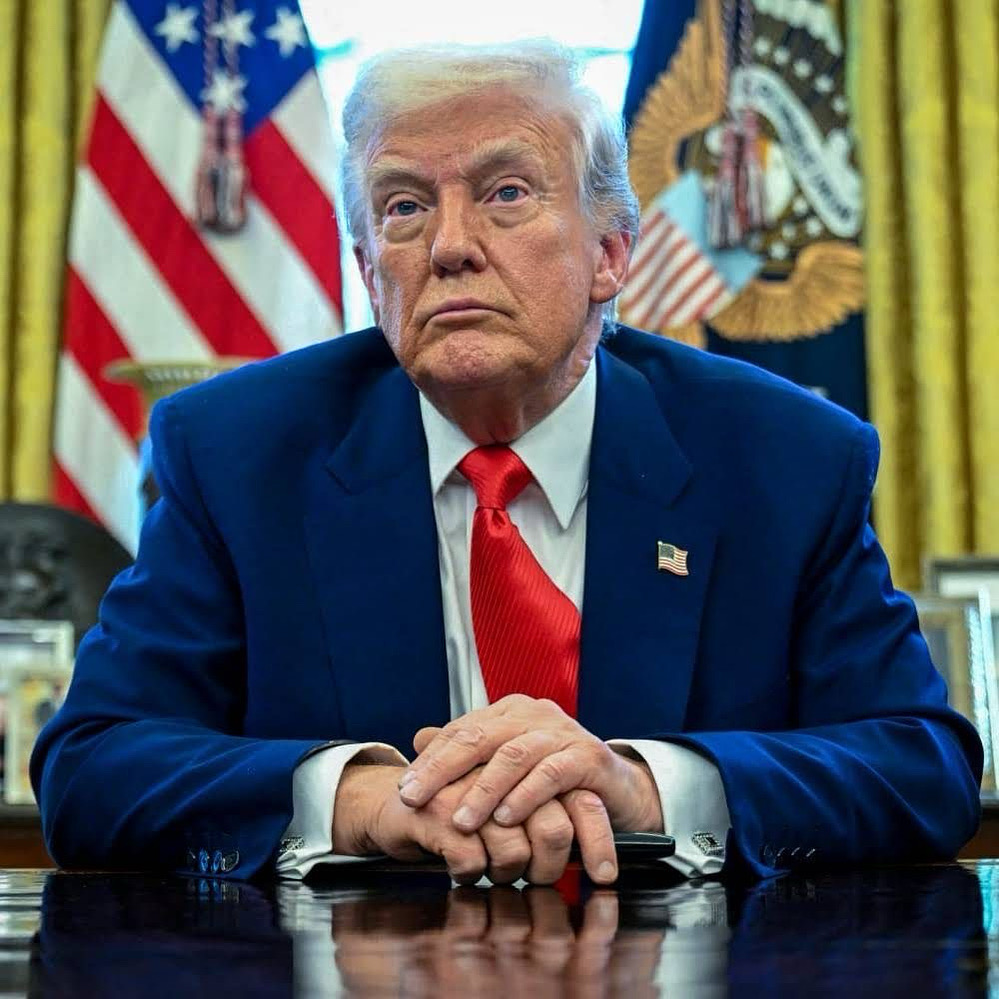
During a whirlwind diplomatic year, President Donald Trump has collected an unusual and politically charged array of gifts from foreign leaders: a gilded replica crown presented in South Korea, golf clubs and mementos tied to Japan, a symbolic “golden pager” from Israel, and the controversial donation of a luxury Boeing 747 from Qatar that was discussed as a possible temporary Air Force One. Each item has drawn attention not only for its showmanship but for the legal, ethical and security questions it has raised.
The crown: South Korea’s theatrical tribute
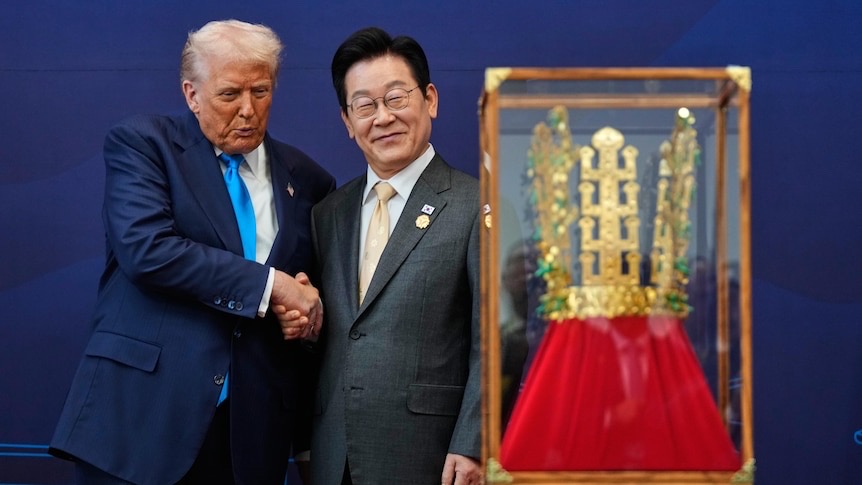
On Oct. 29, 2025, South Korean President Lee Jae-myung awarded Mr. Trump the Grand Order of Mugunghwa — the country’s highest decoration and presented a replica of an ancient Silla dynasty gold crown during a ceremonial visit in Gyeongju. South Korean officials framed the gifts as cultural honors meant to highlight strong bilateral ties, while critics at home staged protests and derided the pomp as excessive flattery. The presentation came amid high-stakes trade and diplomatic talks between Seoul and Washington.
Golf paraphernalia — personal, nostalgic, strategic
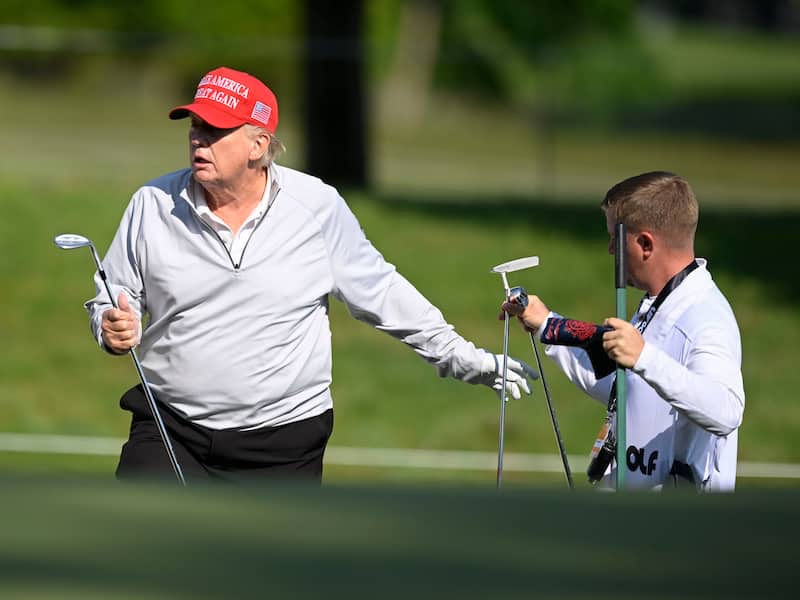
Gifts tied to golf have become a recurring theme. During meetings with Japanese figures this year, Mr. Trump received golf-related items that included a putter that once belonged to the late prime minister Shinzo Abe and a bag signed by major-league golfer Hideki Matsuyama — tokens aimed both at flattering Trump’s well-known affection for the sport and at building friendly, personal ties. These offerings are part of broader efforts by several governments to use culturally resonant, personalised gifts to curry favor.
The ‘golden pager’ from Israel
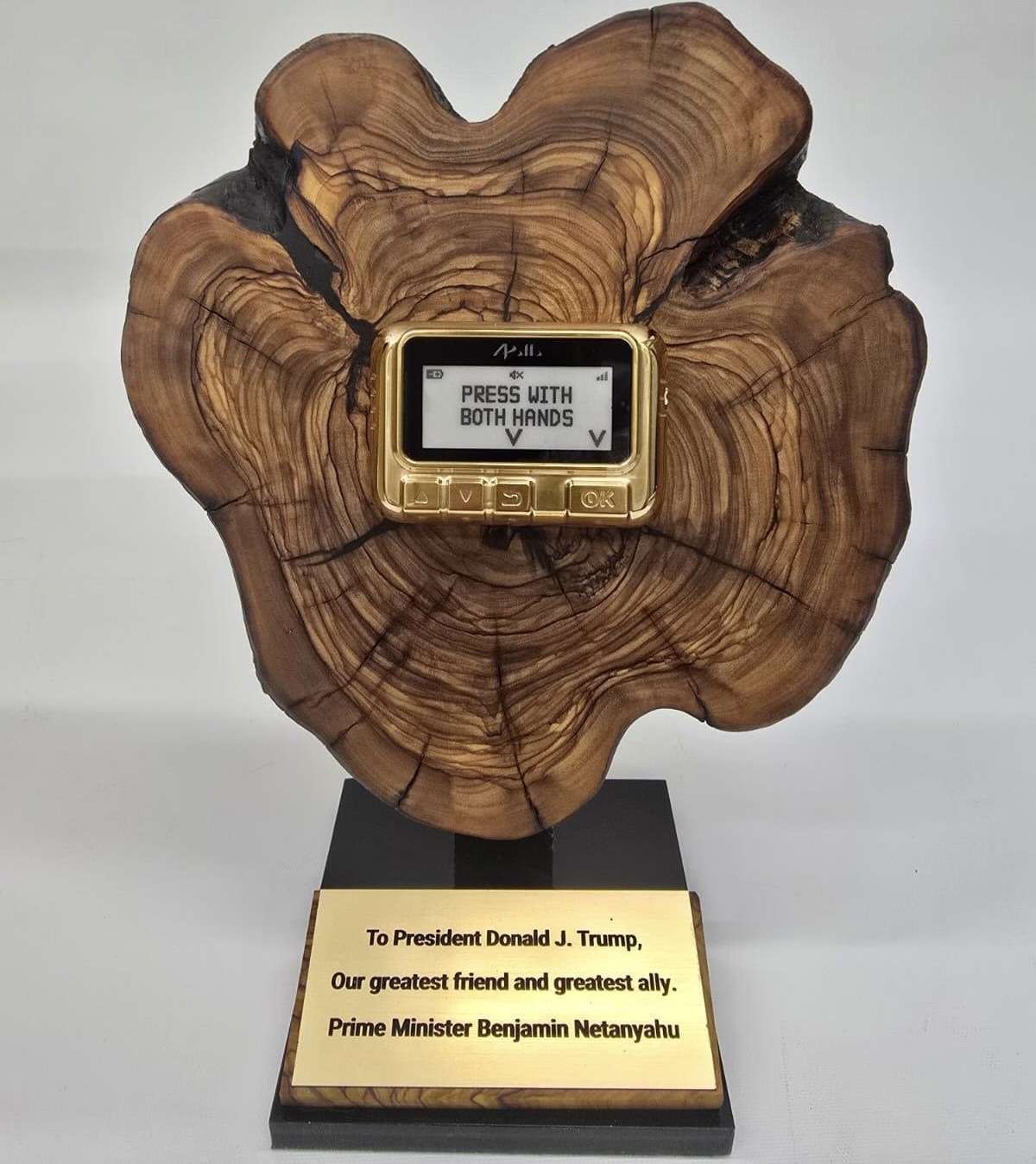
In February, Israeli Prime Minister Benjamin Netanyahu presented Mr. Trump with a gilded pager mounted on a stand, a highly symbolic gesture that many commentators tied to Israel’s own military operations. Israeli officials described the token as an expression of alliance; critics called attention to the macabre symbolism and questioned the message such a gift sent about the U.S. role in regional conflicts. Coverage of the gift was widespread in February and prompted debate among U.S. and international observers.
The Qatar 747: a $400m airplane and a constitutional headache
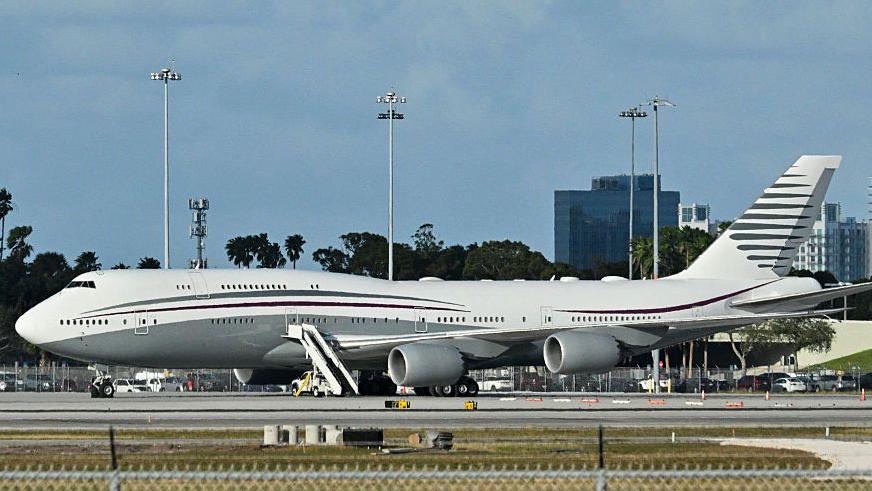
Perhaps the single most consequential gift this year has been the offer and subsequent acceptance by U.S. authorities — of a luxury Boeing 747 from the Qatari royal family. Reported publicly in May, the plane (valued at roughly $400 million) was the subject of urgent Pentagon and White House negotiations about whether it could be accepted for temporary use as a presidential transport and later transferred to a Trump presidential library. The move sparked a fierce bipartisan backlash and fresh scrutiny of the U.S. Constitution’s Emoluments Clause and ethics rules: critics argued that accepting an aircraft of that size and value from a foreign state risks undue influence and raises security and retrofit-cost questions; the White House and Pentagon said the gift could be lawfully accepted under their proposed arrangements. Aviation experts also warned the jet would require major security upgrades before it could fly as a presidential aircraft.
Lawmakers, ethics watchdogs and constitutional scholars reacted strongly to several of the gifts, especially the Qatari jet. Opponents argued the arrangements may violate the Emoluments Clause (which limits gifts and payments to federal officeholders from foreign states), and some civil-society groups pursued legal action or urged congressional investigation. Supporters in the administration framed the gifts as diplomatic courtesy or as cost-saving for taxpayers particularly in the jet’s case, arguing retrofitting an existing aircraft could be cheaper than waiting for Boeing deliveries but admitted technical, budgetary and legal hurdles remain.
Gifts to heads of state are an ancient diplomatic ritual; this year’s offerings to Mr. Trump illustrate how personal brand, symbolism and geopolitics can blend into the modern statecraft toolbox. For allies, extravagant or highly personalized gifts appear to be intended not just as honors but as leverage tools to cement relationships, nudge policy or send public messages. For the U.S., the episode has revived old debates about transparency, the boundary between personal and public benefit, and how to adapt legal norms to 21st-century diplomacy.


 English