
The legendary 1990s indie band Hovercraft makes an extraordinary return with their newly reconstructed album Shaken Not Stirred, a nine-track exploration of sophisticated R&B and neo-soul that bridges passionate obsession with spiritual transcendence. Its lead single, “Mr Tooting Brown”, a Bond-themed portrait of heroin addiction, has already caught industry attention with a feature in Plastic Magazine. Combining the warmth of genuine ’90s songwriting with 2025’s digital polish, the record marks a pivotal moment in modern music reconstruction.
Originally active between 1995 and 1996, Hovercraft emerged from Grimsby’s underground scene with a sound described by critics as “cataclysmic rock ’n’ roll of the most intense order.” Led by Piers “Pepper” Wildman, the group blended working-class grit with lyrical sophistication, producing fan favourites such as “Mr Tooting Brown” and “New Pine Overcoat.” Their brief existence saw unexpected chart success and a cross-generational following spanning “pensioners, musicians, and students.” Though their music faded with time, Hovercraft’s professional rigor and poetic songwriting left a deep mark on Britain’s indie legacy.
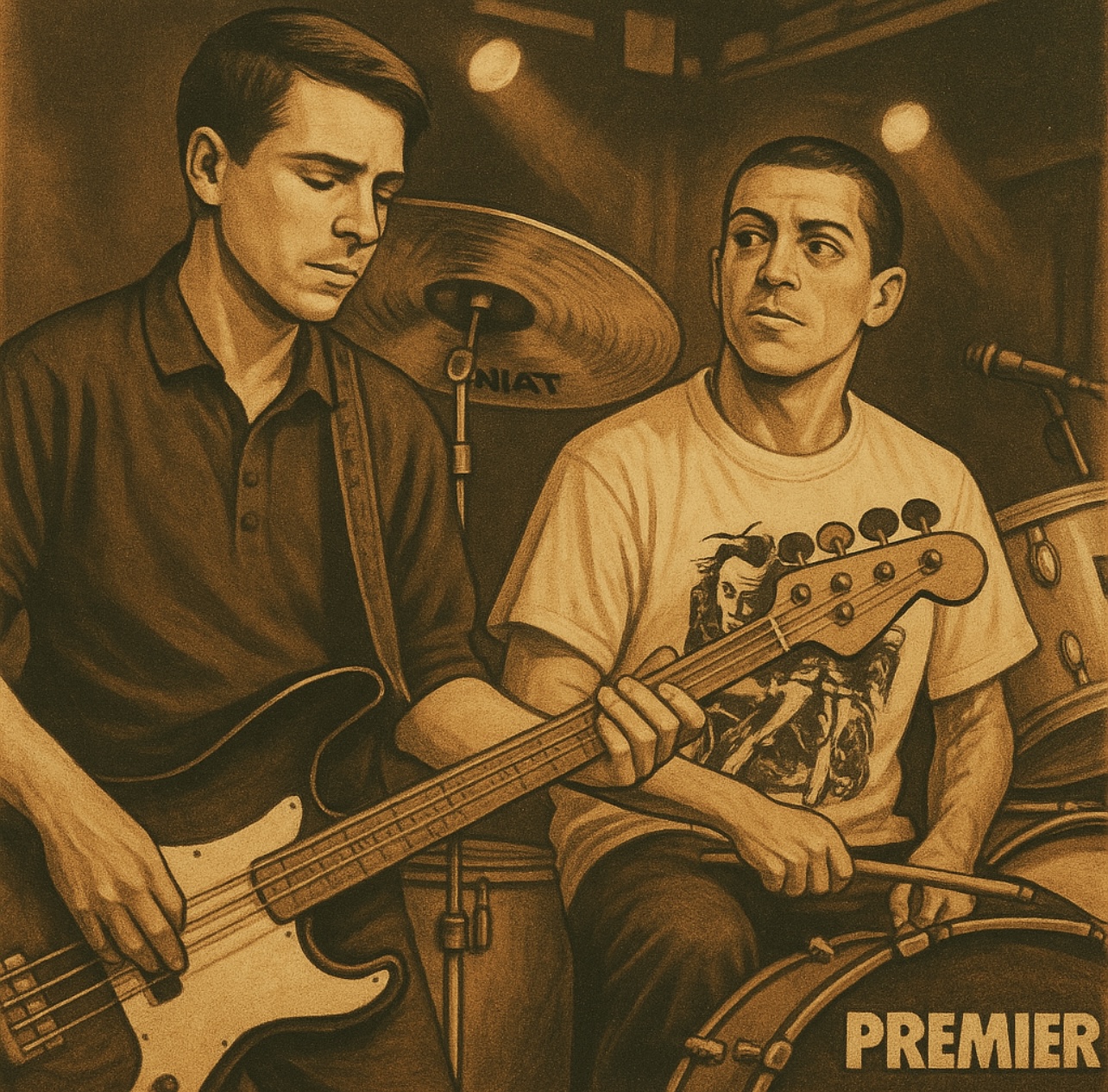
Nearly three decades later, Hovercraft’s music has been reborn through cutting-edge AI reconstruction technology. The “Re:Creation” project, backed by PITCH Scotland, New Champion Management, and No Such Thing Records, meticulously rebuilt their lost catalogue from surviving chord charts and demo tapes. The result is not mere nostalgia but genuine innovation with songs like “Higher Ground” and “The Promised Land” reimagined as lush R&B soundscapes featuring modern vocal arrangements and horn-driven grooves.
Hovercraft’s resurrection is more than a technological achievement; it’s an act of artistic continuity. Every track on Shaken Not Stirred is both a tribute and a beacon — a message sent to a missing friend, and a reminder that great songwriting transcends time. With emotional authenticity, sophisticated harmony, and cross-generational appeal, Hovercraft prove that music’s past can still define its future.


 English