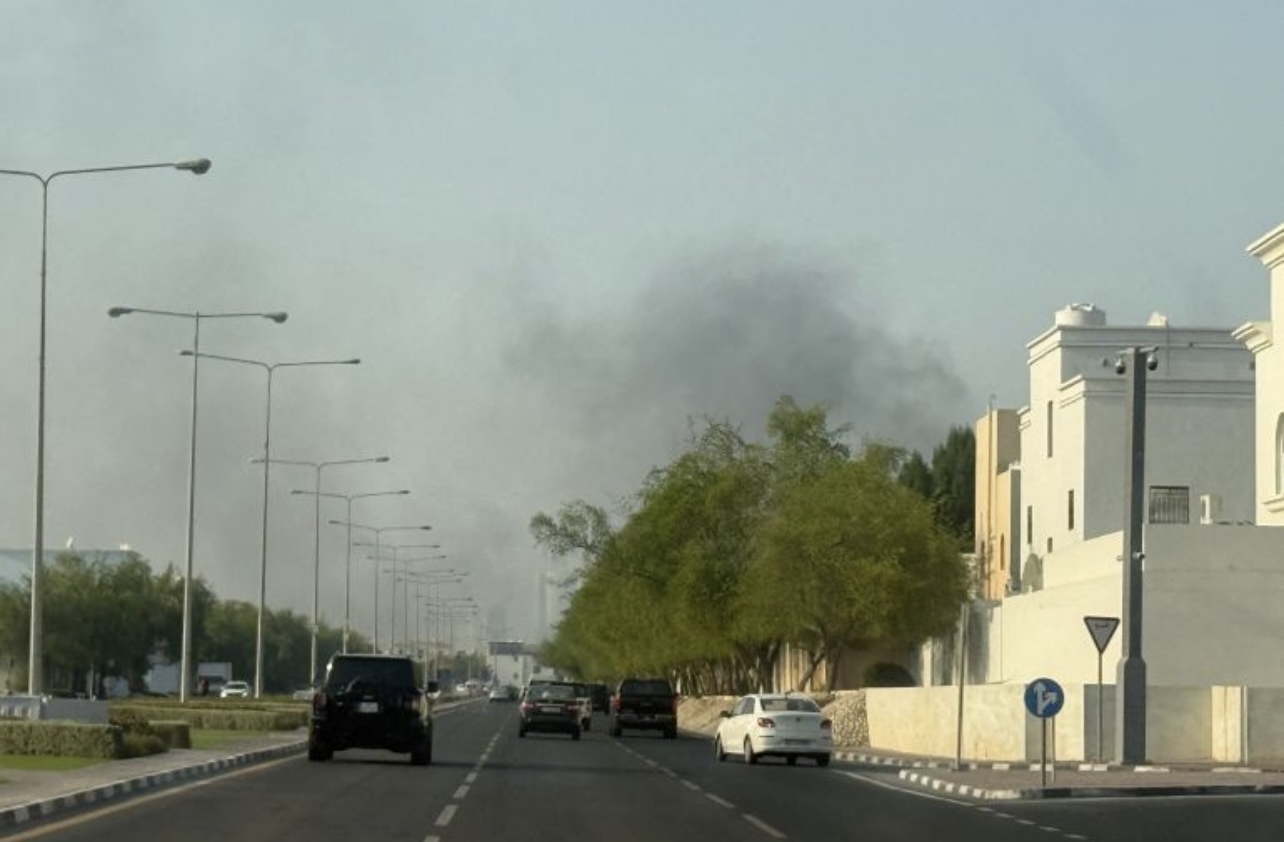
Israel launched a rare missile strike in the Qatari capital on Tuesday, targeting Hamas leaders as they met to deliberate over a U.S.-backed ceasefire proposal. The strike, which Israeli officials described as a “surgical operation,” marks the first known military action by Israel on Qatari soil and has already set off a wave of international condemnation.
According to reports, the strike killed at least five people, including the son of senior Hamas negotiator Khalil al-Hayya, the head of his office, several aides, and a Qatari security officer. Hamas later confirmed that al-Hayya himself survived the attack, as did other top figures in the group. Casualty figures vary slightly, with some outlets reporting six deaths in total.
The political fallout was immediate. Qatar condemned the attack as a flagrant violation of international law and an assault on its sovereignty. Saudi Arabia and the United Arab Emirates issued statements of solidarity with Doha, while Turkey denounced the strike as “state terrorism,” accusing Israel of pursuing destabilization as policy. In London, Prime Minister Keir Starmer warned that the strike represented a dangerous breach of sovereignty and risked unraveling fragile diplomatic efforts.
Those efforts now hang in the balance. The Hamas delegation in Doha had been reviewing a U.S.-drafted ceasefire proposal that called for a prisoner exchange and phased Israeli withdrawal from Gaza. Israel has consistently rejected those terms, and the strike is widely seen as a deliberate signal of defiance. Diplomats fear that the move may derail months of backchannel negotiations mediated by Qatar.
U.S. officials confirmed that they were alerted as the strike was underway but stressed they played no role in its planning or execution. The White House described the episode as “unfortunate” and counterproductive, underscoring concerns that the attack may weaken not only Qatar’s role as mediator but also Washington’s broader strategy to de-escalate the war.
The strike in Doha underscores the expanding reach of Israel’s campaign against Hamas and raises troubling questions about whether the space for diplomacy in the Middle East is narrowing further.

 English