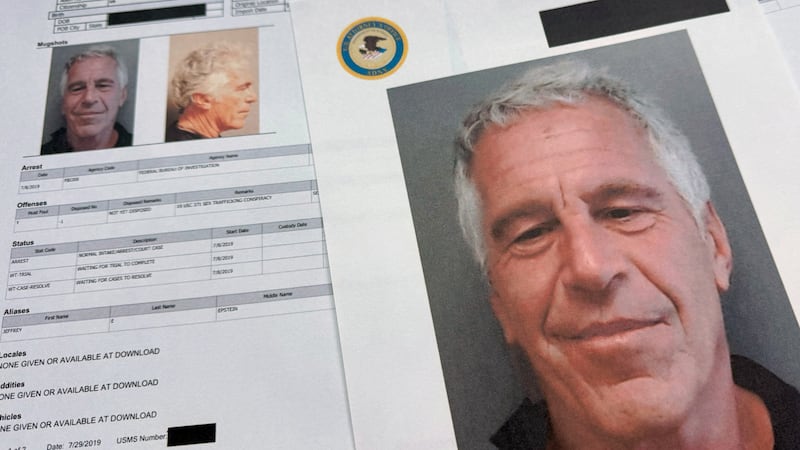
The U.S. Department of Justice has formally notified Congress that hundreds of prominent individuals are named within investigative records related to convicted sex offender Jeffrey Epstein, according to a recent letter sent to lawmakers overseeing the disclosure of the so-called “Epstein files.”
The correspondence, signed by Deputy Attorney General Todd Blanche, was delivered to members of congressional judiciary committees in response to legislative requirements compelling the department to explain its redactions and identify individuals whose names appear in the millions of pages of documents collected during federal investigations. The material stems from long-running probes into Epstein’s sex-trafficking network and related legal proceedings.
Justice Department officials stated that the list includes politicians, business executives, academics, cultural figures and other high-profile individuals who were referenced in the records in a variety of contexts. The department emphasized that the appearance of a name in the files does not indicate criminal wrongdoing, direct association, or even personal contact with Epstein. In many cases, officials said, individuals were mentioned incidentally in correspondence, address books, media articles, or third-party communications contained within the investigative archive. Aside from Epstein and his longtime associate Ghislaine Maxwell, no additional individuals have been charged in connection with the conduct underlying the federal cases.
The disclosure has prompted sharp debate on Capitol Hill. Representative Ro Khanna criticized the department’s handling of the release, arguing that compiling hundreds of names without contextual explanation risks creating confusion and unfair reputational harm. Representative Nancy Mace, who has advocated for greater transparency in the Epstein investigation, questioned whether the department’s letter fully satisfies congressional demands and suggested that further clarification may be necessary.
The Justice Department has defended its approach, stating that it complied with statutory requirements and that privacy protections and victim-safeguarding considerations guided its redaction decisions. Officials also noted that members of Congress have access to additional materials in secure settings and may continue reviewing unredacted documents under established procedures.
The renewed scrutiny reflects ongoing public and political interest in Epstein’s network years after his 2019 death in federal custody. Lawmakers from both parties have signaled that oversight of the document release process will continue, and further hearings or requests for supplemental disclosures remain possible as Congress evaluates whether the department’s response meets the intent of the transparency legislation.



 English