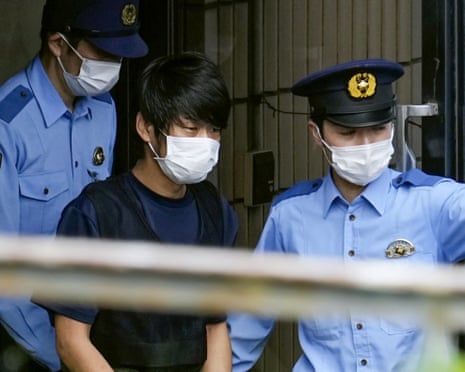
A Japanese court has handed down a life prison sentence to the man who fatally shot former Prime Minister Shinzo Abe in a crime that shook Japan and drew worldwide attention. On 21 January 2026, the Nara District Court convicted Tetsuya Yamagami, 45, of murder and related weapons offences for the attack that took place on 8 July 2022 while Abe was delivering a campaign speech in the western city of Nara. Abe, Japan’s longest-serving prime minister, was struck by two shots from a homemade firearm and died at the scene, in an assassination that was unprecedented in modern Japanese history.
Yamagami admitted to killing Abe early in the trial, which began in October 2025, and prosecutors had sought life imprisonment, describing the attack as an “extremely grave incident that is unprecedented in post-war history.” The court accepted that argument and imposed life incarceration, rejecting the defence’s plea for a lighter sentence of no more than 20 years on the grounds of Yamagami’s troubled upbringing and personal circumstances.
During legal proceedings, Yamagami testified that his motive stemmed from deep resentment toward the Unification Church (also known as the Family Federation for World Peace and Unification), a controversial religious organisation that his mother had joined and to which she had made large donations that contributed to his family’s financial hardship. He asserted that he targeted Abe because of perceived political ties between the church and the former prime minister, believing that killing Abe would draw attention to those connections.
Abe’s assassination exposed and intensified scrutiny of longstanding links between the ruling Liberal Democratic Party (LDP) and the Unification Church, prompting investigations, political debate and legal changes affecting the organisation’s status in Japan. The high-profile crime prompted calls for improved protection of public figures and raised questions about the influence of religious groups on politics.
The sentencing marks the culmination of a case that not only brought justice for a violent attack on a prominent statesman but also sparked wider national reflection on political, religious and social issues in Japan.



 English