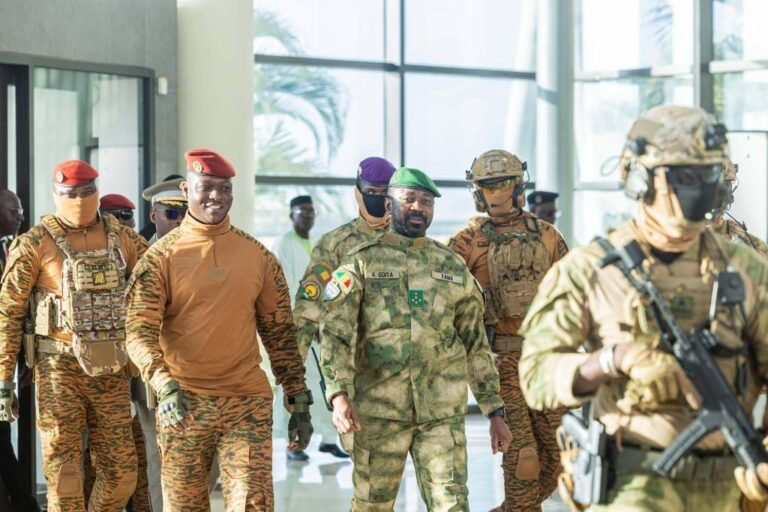
Bamako and Ouagadougou, December 31, 2025 – In a dramatic escalation of diplomatic tensions, Mali and Burkina Faso announced on Tuesday that they will ban or restrict entry to U.S. citizens in response to American travel restrictions imposed earlier this month. Both governments described the measures as a direct application of the principle of reciprocity and emphasized that the decisions were made in defense of their sovereign rights.
The reciprocal bans follow an announcement by the U.S. government on December 16, which expanded existing travel restrictions to include Mali, Burkina Faso, and Niger, citing national security concerns. The U.S. administration stated that the measure targeted foreign nationals deemed potential security risks, although it faced criticism for its unilateral approach and lack of consultation with affected nations.
Mali’s Ministry of Foreign Affairs stated that American citizens entering Mali will be subject to the same conditions imposed on Malian nationals by the U.S., with the restrictions taking effect immediately. Burkina Faso issued a similar statement, emphasizing that its visa measures reflected reciprocity and respect for sovereign equality in international relations. Both governments criticized the U.S. policy as unilateral and defended their responses as defensive rather than aggressive.

The travel bans come amid broader strains in diplomatic relations between Washington and the two West African nations, both led by military governments that have been increasingly distancing themselves from traditional Western allies. Mali and Burkina Faso, together with Niger, recently formed the Alliance of Sahel States after withdrawing from the Economic Community of West African States earlier this year, reflecting shifting geopolitical alignments in the Sahel region.
Analysts have warned that the reciprocal bans could complicate cooperation on security and counter-terrorism efforts in a region already grappling with significant insurgency threats. The restrictions are also expected to affect diplomatic, business, and humanitarian travel, creating additional uncertainty for citizens of all affected countries.
The U.S. government has not yet issued a formal response to the reciprocal travel measures, though officials are reportedly reviewing the implications for bilateral relations and ongoing security partnerships. Observers say the moves underscore how travel policies are increasingly being used as tools of international diplomacy, with countries willing to respond swiftly when they perceive an imbalance in treatment.



 English