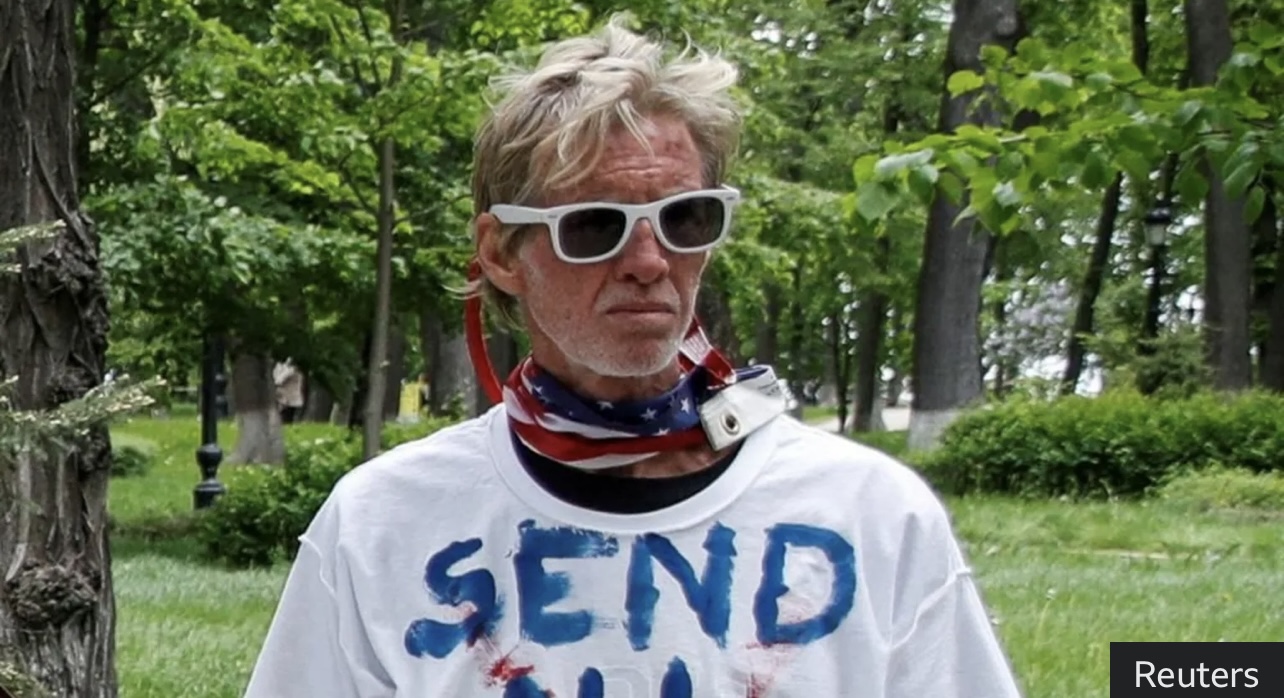
A federal jury on Tuesday convicted 59-year-old Ryan Wesley Routh of attempting to assassinate former President Donald J. Trump at the Trump International Golf Club in West Palm Beach, Florida, during an incident last September, closing a high-profile trial that prosecutors said exposed a meticulously planned plot.
Routh was found guilty on all five counts he faced, including attempted assassination of a major presidential candidate, possessing a firearm in furtherance of a crime of violence, assaulting a federal officer, being a felon in possession of a firearm and ammunition, and possession of a firearm with an obliterated serial number. Those offenses together carry a potential sentence of life in prison.
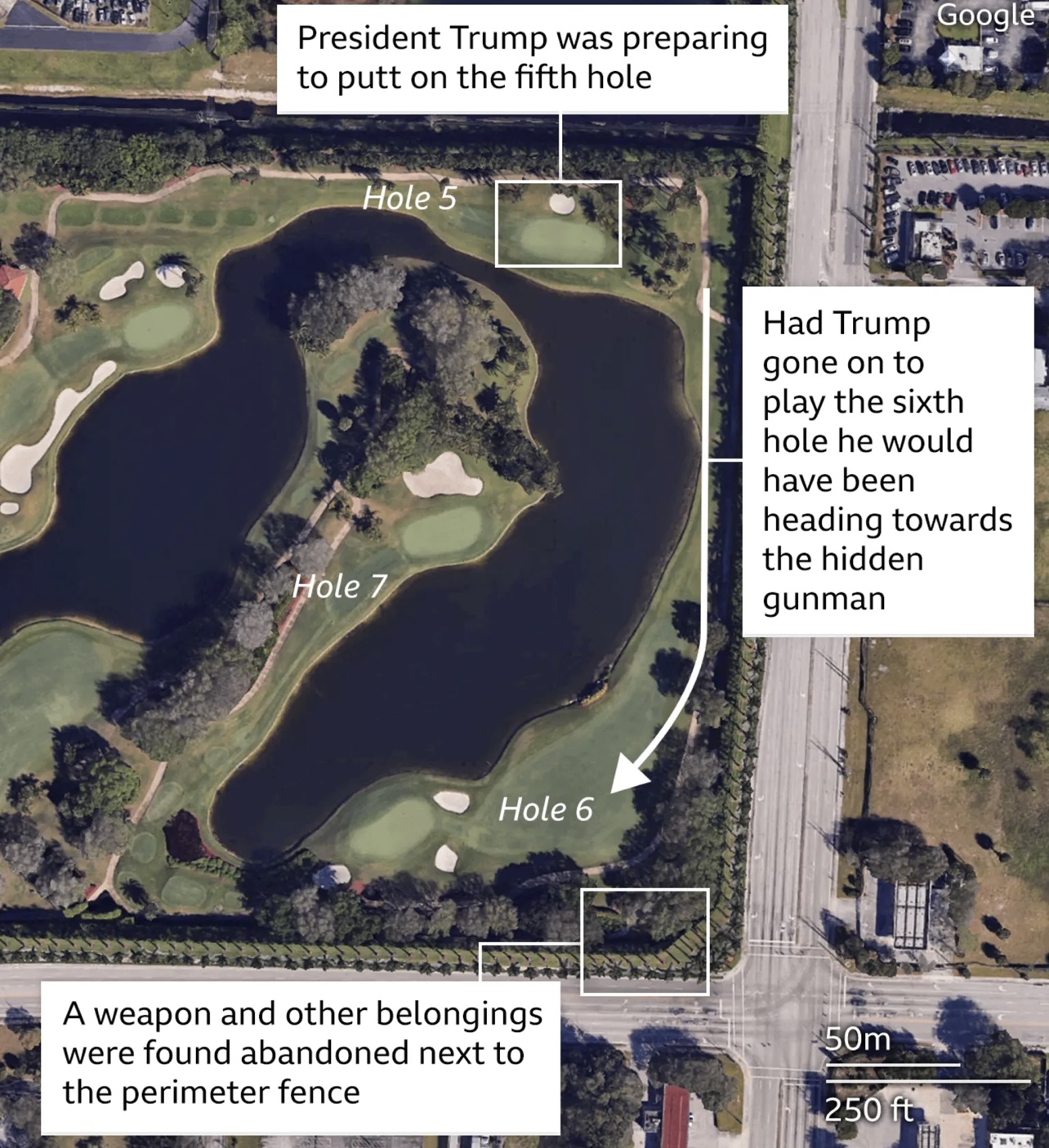
Prosecutors told the jury that Routh spent weeks preparing for the attack, conducting surveillance of the golf course, carrying multiple cellphones and burner devices, and bringing a military-style rifle to the scene. According to evidence presented at trial, a Secret Service agent spotted Routh hiding in shrubs and aiming a rifle through a fence toward where Trump was golfing; the agent fired at Routh, who fled and was arrested later that day. Federal authorities said no one was injured.
The trial — held in federal court in Fort Pierce — lasted about two weeks, and jurors reached their verdict after roughly two hours of deliberation. During the proceedings, Routh represented himself despite having no legal training, frequently offering unusual legal arguments. Prosecutors and witnesses painted a picture of a man who had prepared carefully for violence; defense testimony included character witnesses and references to Routh’s prior volunteer activities overseas.
Moments after the guilty verdicts were read, courtroom video and multiple reports show Routh attempted to harm himself by grabbing a pen and trying to stab his neck; marshals intervened and he was removed from the courtroom. He was later returned to court in shackles and informed that he will be sentenced on Dec. 18.
The Department of Justice framed the verdict as the result of a thorough prosecution and said the charges reflected the seriousness of the conduct and the risk it posed to public officials. A DOJ news release summarizing the case included excerpts of a handwritten note allegedly left by Routh stating, “This was an assassination attempt on Donald Trump,” language prosecutors used to underscore intent.
President Trump and other senior figures publicly praised law enforcement and the jury’s verdict. U.S. Attorney General Pam Bondi posted about the conviction on social media, calling it a demonstration that the justice system held those who plot political violence accountable.
Legal experts and commentators say the case highlights growing concerns about political violence in the United States. The Routh case came months after another assassination attempt tied to Trump’s 2024 campaign and amid broader debate over security for political candidates and public figures. Civil libertarians and criminal-justice observers noted the swift jury decision and the breadth of the charges as likely reflecting strong prosecutorial evidence.
Routh’s background surfaced repeatedly during the trial. Reports say he had prior felony convictions and an erratic personal history: he described himself at times as a self-styled mercenary and had been linked to efforts to recruit fighters for conflicts overseas, according to prosecutors. Routh did not testify in his own defense.
With sentencing set for Dec. 18, the court will next hear arguments about the appropriate punishment. Federal prosecutors are expected to seek the maximum penalties permitted under law; Routh’s defense may press for mitigation based on character testimony and any mental-health evaluations the court admits.


 English