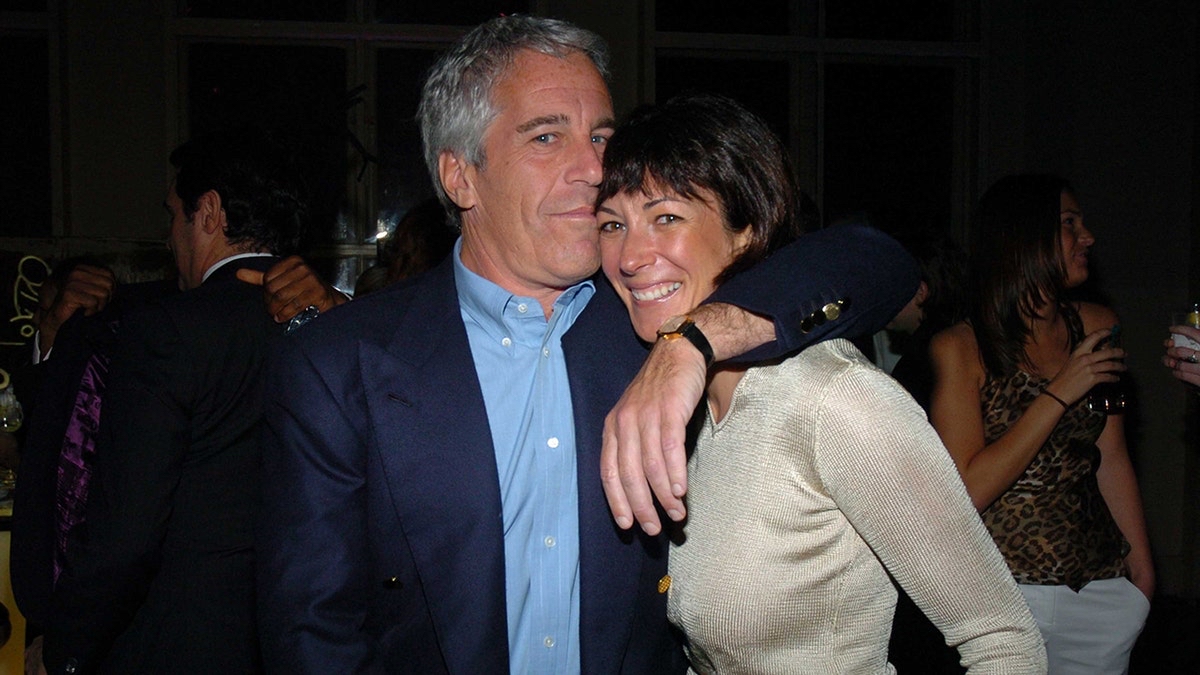
Ghislaine Maxwell, the convicted associate of the late financier Jeffrey Epstein, refused to answer substantive questions from the U.S. House Oversight Committee during a closed-door congressional deposition on Monday, prompting frustration and criticism from lawmakers. Maxwell, who is serving a 20-year federal prison sentence in Texas for her role in Epstein’s sex trafficking network, appeared virtually before the committee but repeatedly invoked her Fifth Amendment right against self-incrimination, declining to discuss details about Epstein’s abuses, his associates, or potential co-conspirators.
Republican chair James Comer said that lawmakers had hoped Maxwell would shed light on the workings of Epstein’s network and the circumstances that allowed years of abuse to go unchecked. “This is obviously very disappointing,” Comer said, adding that the committee had prepared extensive questions for her.
Rather than answering questions, Maxwell’s legal team used the deposition to seek clemency from former President Donald Trump. Her attorney, David Oscar Markus, told the committee that Maxwell would be willing to testify fully and honestly, including defending prominent figures such as Trump and former President Bill Clinton, but only if she received a presidential pardon or clemency. Markus described Maxwell’s conviction as unjust and said her cooperation was contingent on legal relief. Democrats and some Republicans rejected this request, stating that clemency should not be tied to congressional cooperation.
Maxwell’s decision to remain silent drew criticism from both sides of the aisle. Democratic lawmakers accused her of shielding individuals who may have been involved in Epstein’s crimes, calling the Fifth Amendment invocation a tactic to avoid accountability. Rep. Robert Garcia asked publicly, “Who is she protecting?” in response to her refusal to answer questions. Meanwhile, Democrats seeking transparency have been reviewing millions of Department of Justice documents related to Epstein, though concerns about redactions and privacy have complicated those efforts.
Maxwell’s deposition is part of a larger congressional inquiry into how Epstein operated and who may have helped or enabled him. The Oversight Committee has also subpoenaed other figures potentially linked to Epstein as lawmakers attempt to piece together a fuller picture of the scandal. While Maxwell’s refusal to engage leaves many questions unanswered, the committee has indicated that other hearings and depositions are scheduled in the coming weeks as part of the ongoing investigation.

 English