Health authorities have confirmed that meningitis B is the strain responsible for a deadly outbreak of cases in Kent, as officials continue efforts to contain the spread of the disease among students and young people.
The outbreak, centred in Canterbury and linked to the University of Kent and several secondary schools, has resulted in two deaths and at least 11 people being seriously ill in hospital. More than a dozen cases of invasive meningococcal disease have been reported since mid-March, prompting a major public health response led by the UK Health Security Agency (UKHSA).
Laboratory testing has now identified meningococcal group B (MenB) as the strain behind the outbreak. This form of bacterial meningitis is particularly concerning because it is not routinely covered by the standard teenage vaccination programme in the UK, which instead protects against strains A, C, W and Y. As a result, many older teenagers and university students remain vulnerable unless they received the MenB vaccine privately or as infants after its introduction in 2015.
The outbreak is believed to have spread through close social contact, with several cases linked to a nightclub in Canterbury and student gatherings. Public health teams have urged anyone who visited affected locations, including Club Chemistry between 5 and 7 March, to seek preventative antibiotics. Thousands of students and staff have been contacted, and emergency antibiotic distribution centres have been set up across the area.
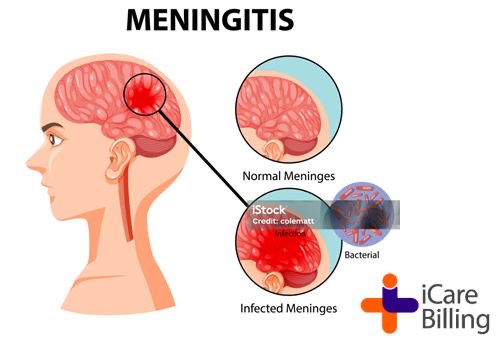
Officials say meningitis B is now the most common strain of the disease in the UK and is responsible for a large proportion of cases among young people. The infection can develop rapidly and become life-threatening, causing inflammation of the brain and spinal cord as well as blood poisoning. Symptoms may initially resemble common illnesses, making early detection difficult but critical.
The outbreak has caused significant चिंता among students and parents, with some university assessments moved online and large numbers of young people queueing for antibiotics. While health authorities say the risk to the wider public remains low, they continue to trace contacts and monitor the situation closely to prevent further spread.
The emergence of MenB in this outbreak has also renewed calls from health experts and politicians for a broader vaccination strategy, including potential catch-up programmes for teenagers and young adults who are not currently covered.


 English