
The U.S. government shutdown entered its 36th day on Wednesday, surpassing the previous record and leaving millions of Americans caught in the political crossfire as federal services grind down, flights are delayed or canceled, and vital benefits are disrupted. The stalemate rooted in a bitter fight over expiring Affordable Care Act subsidies and a partisan impasse in Congress has produced cascading effects across the economy and everyday life.
Federal staffing and benefits at a glance: more than 600,000 federal employees have been furloughed while a comparable number are working without pay, and agencies are operating with skeletal staffs. The Congressional Budget Office has warned the deadlock could shave billions from GDP; independent estimates put short-term losses into the low tens of billions. Millions who rely on programs such as SNAP, veterans’ services and routine regulatory inspections are seeing interruptions or uncertainty as agencies scale back.
Air travel has become a visible and immediate sign of the shutdown’s reach. Major airports across the country, including Houston’s George Bush Intercontinental, have reported long security lines, staffing shortages and multi-hour waits that forced some travelers to miss flights. Transportation Secretary Sean Duffy warned lawmakers on national television that delays were “going to get worse” if the stalemate continued.
Local communities and service providers are also feeling the squeeze. Food banks and state agencies report rising demand as SNAP management and other federal supports falter or are cut back; public-health and environmental oversight is reduced to essential functions only, raising concerns about delayed inspections and enforcement. School districts, airports and hospitals are drawing on emergency funds or local budgets to plug gaps while they wait for federal action.
Political leaders traded blame Wednesday. Senate Democrats said they would not approve a stopgap unless extensions to ACA tax credits — which millions use to keep premiums affordable were included; House Republicans accused Democrats of obstructing compromise. White House officials and GOP leaders pressed for reopening the government without concessions on subsidies, while centrist senators said private negotiations continued but had yet to produce a breakthrough.
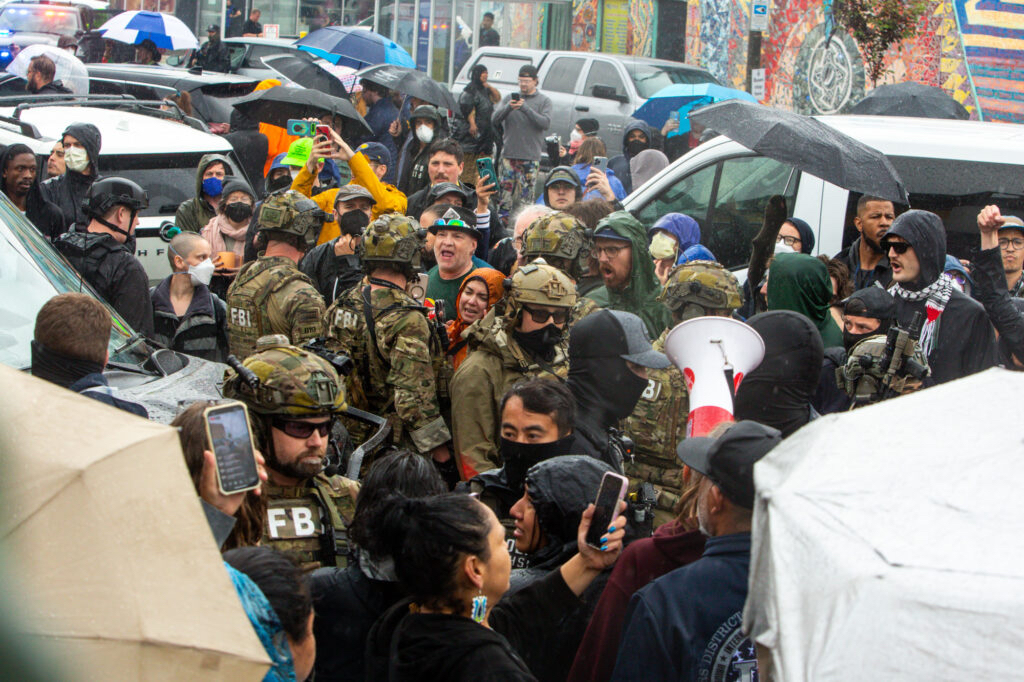
On the ground, federal workers and ordinary citizens described a growing sense of powerlessness. Rallies and demonstrations by furloughed employees have resumed in Washington and around the country, with many calling on lawmakers to “pay the workers” and end what they call an unnecessary political hostage-taking. Local business owners near federal facilities — from eateries to contractors, reported falling revenues as paychecks for thousands of workers dry up.
Economists say the longer the shutdown persists, the higher the risk of sustained damage: lost consumer confidence, delayed federal contracts, and longer-term disruptions to hiring and supply chains. The uncertainty also complicates Federal Reserve and market forecasts heading into the holiday season.
Lawmakers in both chambers signaled interest in a narrow funding package that could reopen many government functions, but negotiations remained fragile. For now, millions of Americans continue to feel the consequences of a shutdown that officials in both parties describe as among the most damaging in memory.


 English