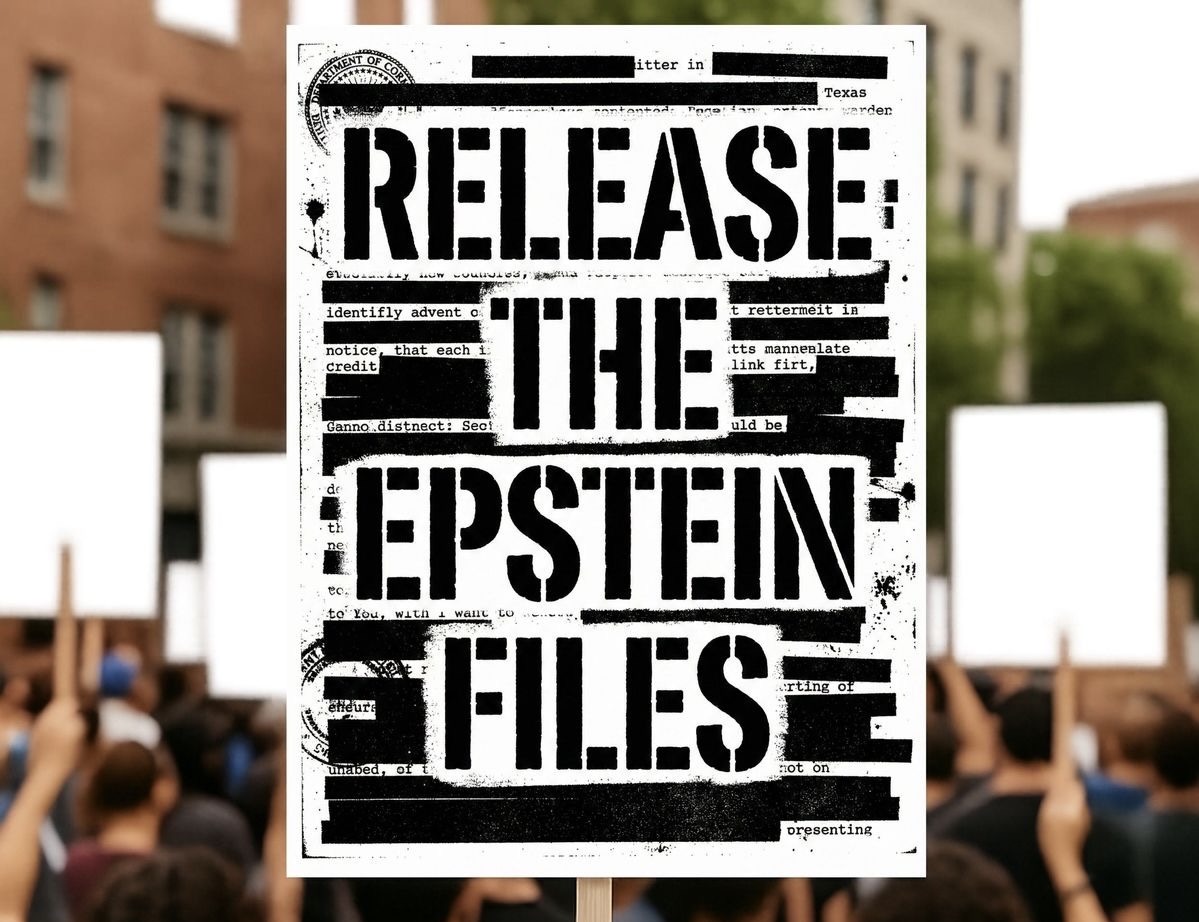
A vast new release of documents linked to the late financier Jeffrey Epstein has reignited public scrutiny of his network and the institutions that investigated him, even as journalists caution that many of the records offer context rather than conclusions. The U.S. Department of Justice made public millions of pages of files gathered across years of federal probes, following court orders and pressure from lawmakers and transparency advocates. News organisations reviewing the material report that it includes emails, contact lists, flight records, investigative notes and previously sealed filings, much of it heavily redacted to protect victims and third parties.
One of the clearest takeaways is the sheer scale of Epstein’s connections. The files reference politicians, business leaders, academics and celebrities, reflecting how widely Epstein socialised and fundraised. Media outlets stress, however, that the appearance of a name does not indicate wrongdoing, a point repeatedly underlined by prosecutors and editors alike as the documents circulate online. In many cases, the records show routine correspondence, social invitations or second-hand mentions without evidence of criminal conduct.
The release also illustrates the limits of disclosure. Significant portions of the files are blacked out, and some materials remain withheld under privacy laws and ongoing legal considerations. Investigators’ notes and timelines reveal how complex and fragmented the case became over time, involving multiple jurisdictions and agencies, while also exposing gaps, delays and missed opportunities that have long fuelled criticism of the justice system’s handling of Epstein.
Another prominent theme emerging from coverage is the impact on survivors. Advocates welcomed the move toward transparency but warned that careless interpretation or sharing of documents could retraumatise victims. Several outlets reported concerns that identifying details might still be inferred despite redactions, prompting renewed calls for stronger safeguards as journalists and the public examine the trove.
Politically, reactions have split along familiar lines. Some lawmakers have hailed the release as overdue accountability, while others argue it risks spreading unverified claims. Officials have acknowledged that the files contain raw allegations and tips that were never substantiated, urging readers to distinguish between investigative leads and proven facts.
Overall, reporters describe the disclosure as an important but incomplete step. While the files broaden understanding of Epstein’s reach and the mechanics of the investigations into him, they stop short of delivering definitive answers about who, if anyone, beyond Epstein himself, committed crimes. As newsrooms continue to sift through the material, the consensus is that transparency alone cannot resolve the case’s lingering mysteries, but it does provide a fuller record against which past failures and future reforms can be judged.



 English