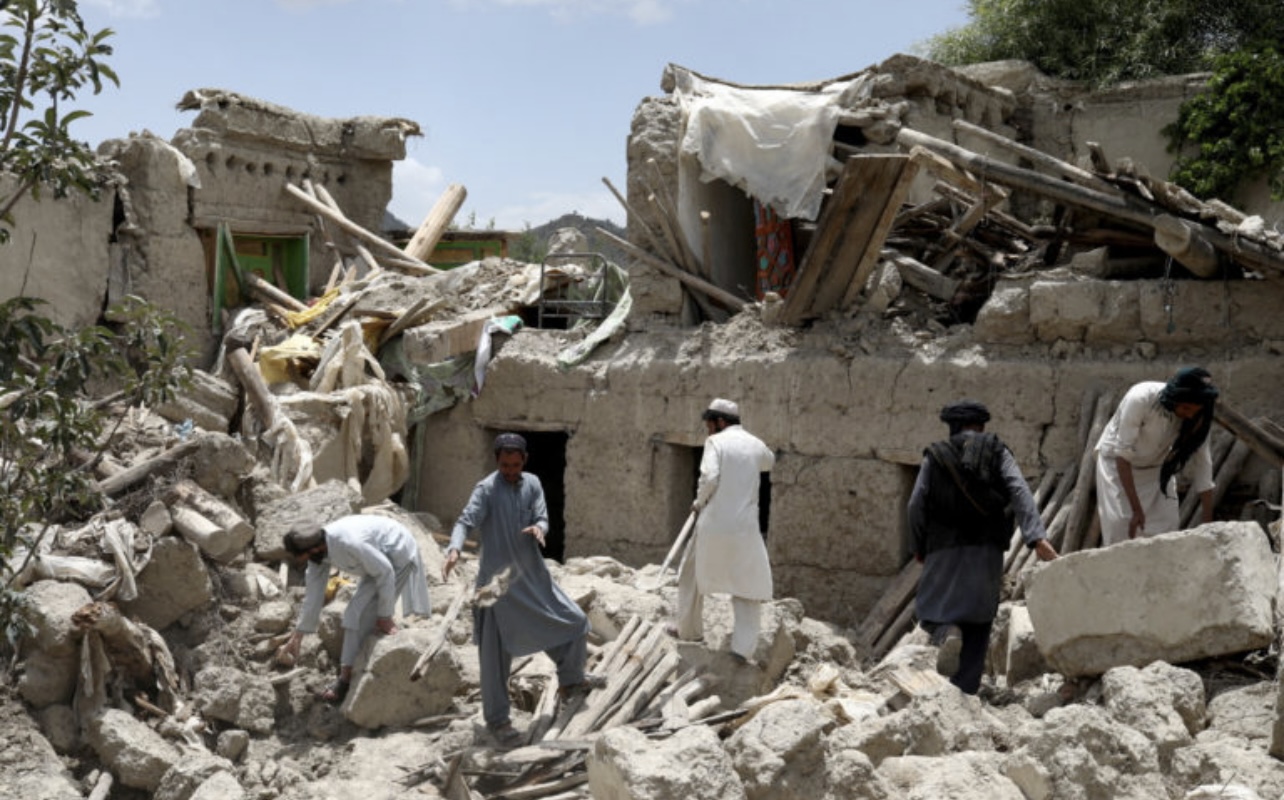
A powerful earthquake struck eastern Afghanistan late on Sunday, killing more than 600 people and leaving over 1,500 injured, according to the Taliban’s interior ministry. The tremor, which measured 6.0 in magnitude, hit shortly before midnight near the city of Jalalabad in Nangarhar province. Its shallow depth estimated at just 8 to 10 kilometers amplified the destruction across the mountainous region.
Entire villages in Kunar province were reduced to rubble, with mud-brick houses collapsing on families as they slept. Survivors described scenes of panic as the ground shook violently, triggering landslides and power outages that left communities cut off overnight. Rescue workers have been struggling to reach remote areas due to blocked roads and hazardous conditions, while helicopters have been dispatched to evacuate the wounded and deliver urgent supplies.
The Taliban-run government has warned that the death toll could rise further as teams move deeper into the affected districts. Aftershocks, some as strong as magnitude 5.2, have rattled the region since the initial quake, hampering recovery operations and deepening fears among survivors who remain outdoors in makeshift shelters.
International organizations, including the United Nations and the Afghan Red Crescent, have mobilized emergency aid. Relief convoys are delivering food, medicine, and tents to the worst-hit areas, though efforts remain constrained by Afghanistan’s limited infrastructure and the broader humanitarian crisis gripping the country. With financial reserves frozen abroad and international assistance sharply reduced since the Taliban takeover, the government faces a daunting challenge in responding to a disaster of this scale.
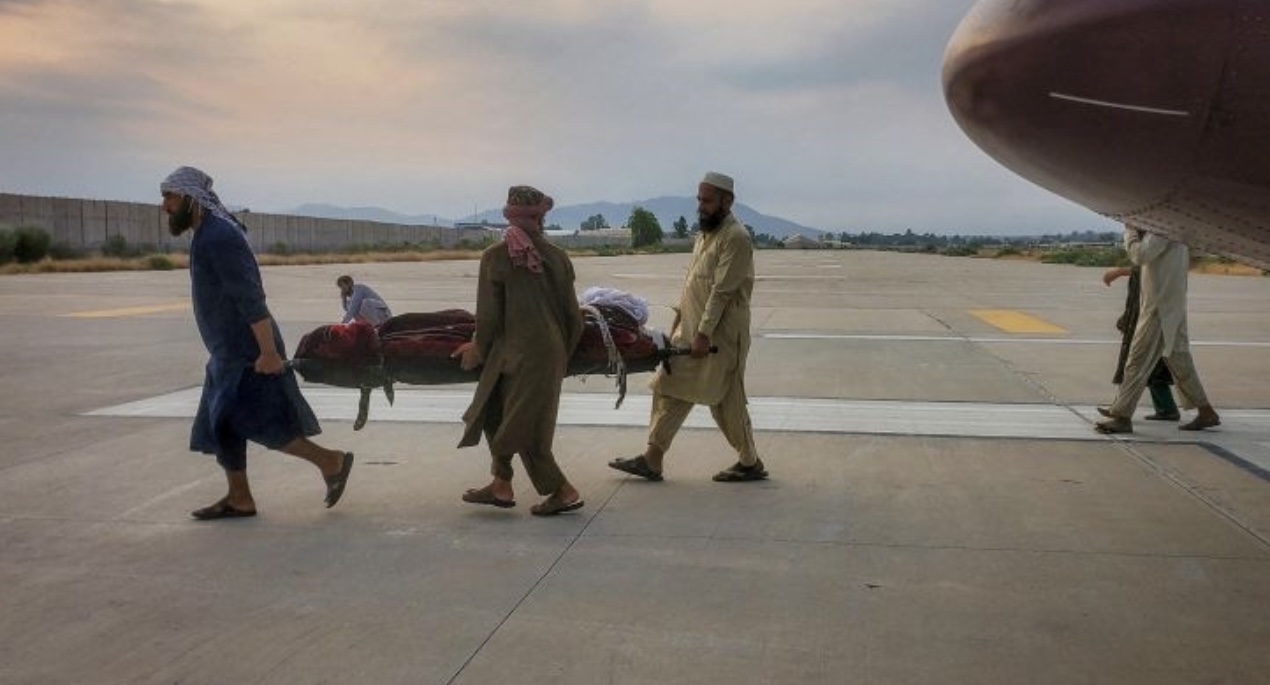
Afghanistan has long been prone to deadly earthquakes due to its location on major fault lines. The tragedy recalls recent quakes in Herat in 2023 and in Paktika in 2022, both of which caused widespread devastation. For many Afghans, the latest disaster is another cruel blow to communities already enduring poverty, conflict, and isolation.
As the search for survivors continues, families are digging through the rubble of their homes with bare hands, clinging to hope that loved ones may still be alive. The true scale of the disaster will only become clear in the days ahead, but with hundreds already dead and thousands displaced, the earthquake marks one of the most destructive natural catastrophes in Afghanistan in recent years.


 English