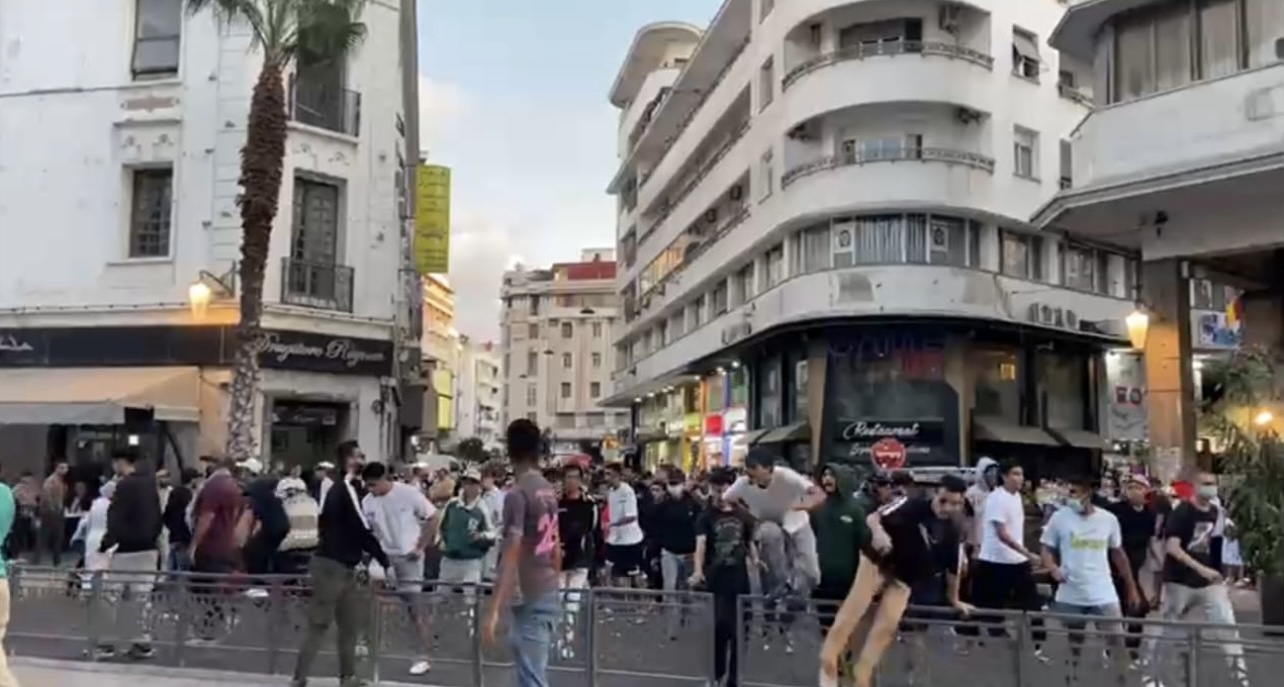
A nationwide wave of youth-led demonstrations has swept Morocco since late September, with protests spreading from university towns and provincial cities to Casablanca, Rabat, Agadir, Tangier, Oujda and other population centres. What began as largely peaceful rallies focused on healthcare and education quickly escalated in some places into clashes with security forces, arson and looting.
Organisers operating under the loose, anonymous banners “GenZ 212” and similar youth collectives mobilised participants through TikTok, Instagram, Discord and other online platforms, helping the movement spread rapidly beyond a few cities to a country-wide phenomenon. Protesters’ stated demands include immediate improvements to public hospitals and schools, action on corruption and unemployment, and accountability for regional inequalities — critics noted public spending on stadiums and major sporting events as a trigger for anger in places that lack basic services.
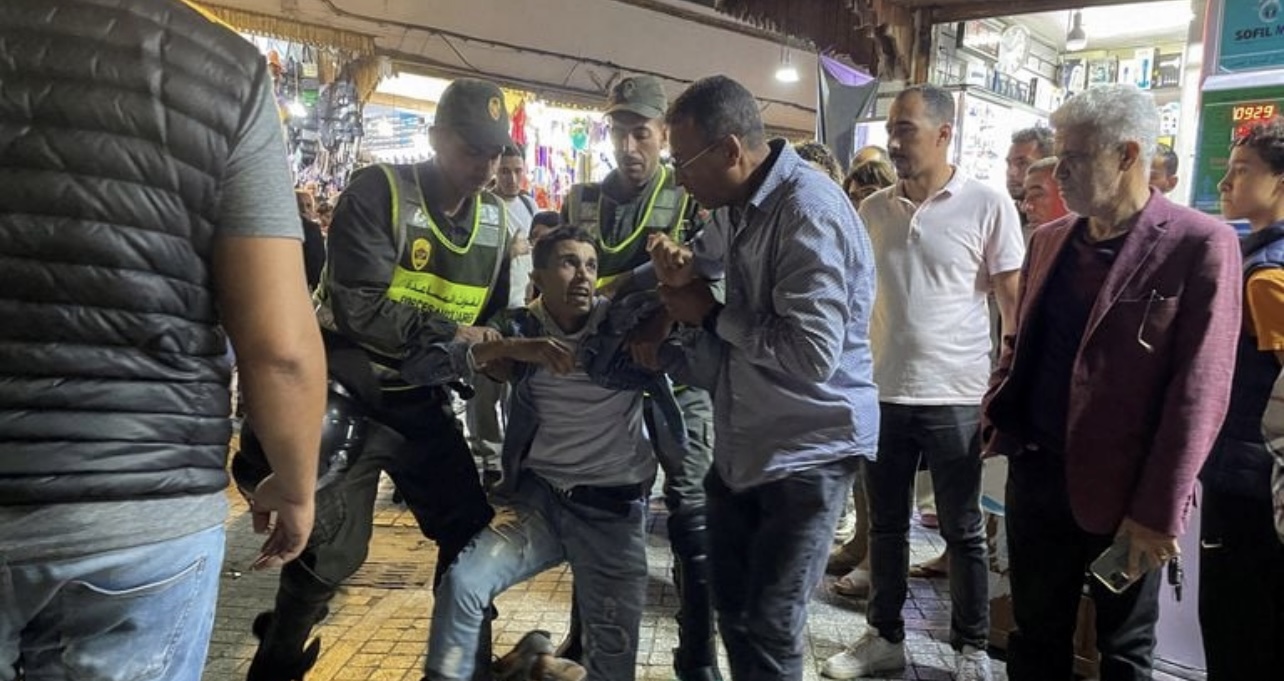
Officials and independent outlets report large-scale detention and injuries. The Moroccan Interior Ministry and multiple news agencies said hundreds have been arrested and many security personnel injured in the disturbances; Reuters and other outlets gave tallies in the hundreds for injured officers and placed total arrests at roughly 400, while international reporting said at least two protesters were killed in clashes near Agadir after attempts to seize a gendarmerie outpost. Human rights groups and local activists have also raised concerns about the detention of minors and heavy-handed policing in some locations.
Authorities described the escalation as the work of a small minority that turned violent and said they were acting to protect public order, while also noting they recognize citizens’ right to peaceful protest and expressing a willingness to engage in dialogue within institutional frameworks. The Interior Ministry has called for restraint in enforcement and underlined that protests outside legal authorizations risk provoking disorder; at the same time prosecutors and security services have pursued cases against those accused of arson, looting and attacks on security personnel.
How it started — a local tragedy and structural grievances
Reporting traces the immediate spark to local unrest in Agadir after the death of patients in a public hospital and widely circulated videos and posts questioning regional health-care conditions. That incident amplified long-standing frustration among young Moroccans over high youth unemployment, unequal regional development and perceptions that public funds prioritise high-profile infrastructure (including stadiums and World Cup/Africa Cup projects) over basic services. Analysts point to widespread social-media networks and activist culture among the country’s youth as factors that allowed small local actions to scale quickly.
Domestic human rights organisations and some opposition figures have condemned the use of force and called for judicial oversight of arrests. International media have framed the unrest as the most significant mass mobilisation in Morocco since the Rif protests of 2016–2017, and diplomats and foreign observers are watching developments closely given Morocco’s regional role and upcoming international sporting commitments that have been referenced by protesters.
Key questions going forward include whether the government will open tangible, high-level negotiations addressing hospital and school funding and regional development; whether the protests maintain mostly peaceful character in the larger cities; and how authorities manage prosecutions and detentions without further inflaming grievances. Civil society groups have called for independent investigations into reported fatalities and injuries.
 English