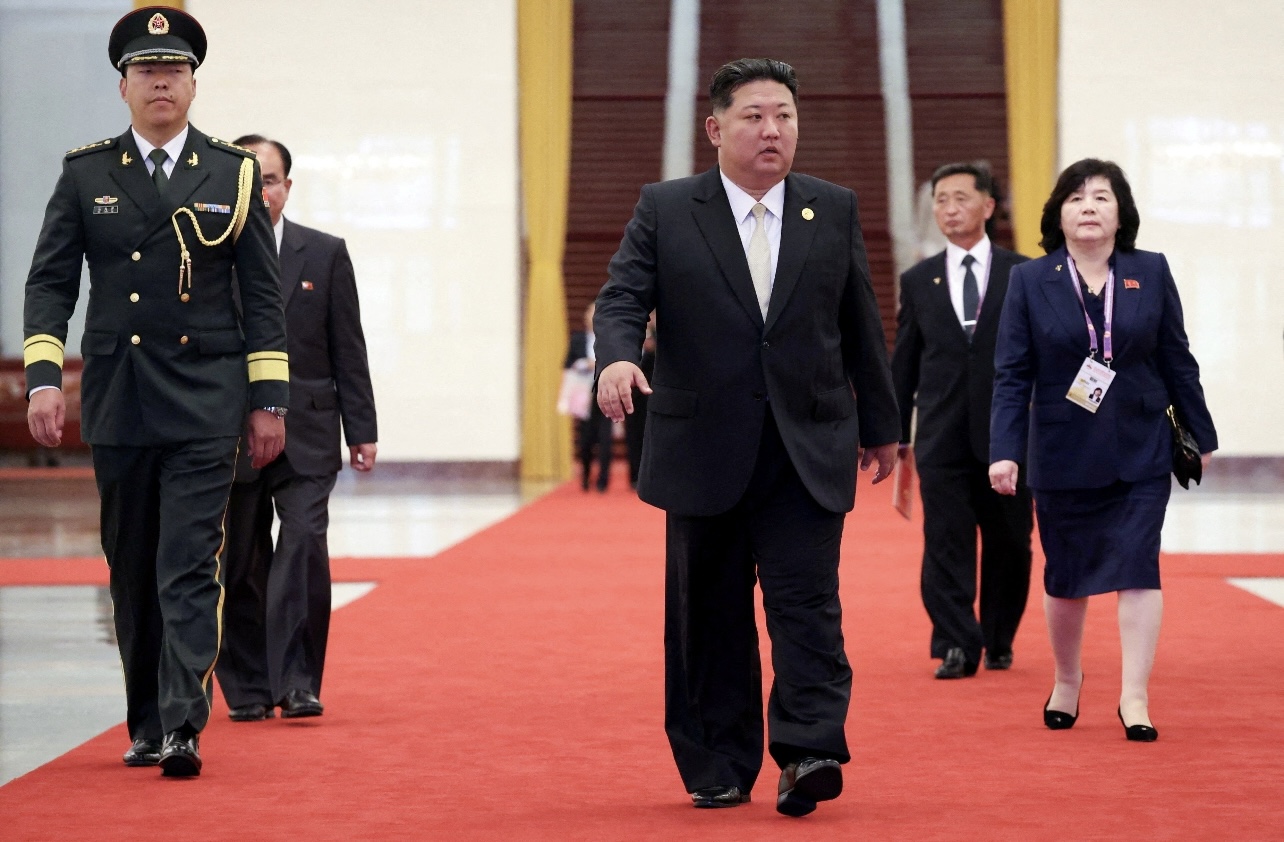
A United Nations report has found that North Korea is increasingly relying on the death penalty, even for cases such as people caught watching or sharing foreign films and television dramas. The report also highlights that the government is forcing more citizens into hard labor and further restricting basic freedoms, tightening its control over nearly every aspect of daily life.
According to the UN Human Rights Office, North Koreans live under some of the harshest restrictions in the world. The report explains that surveillance of the population has grown stronger, partly due to technological advances, making it easier for the state to monitor its people. The UN High Commissioner for Human Rights, Volker Türk, warned that if these practices continue, North Koreans will continue to face severe suffering, repression, and fear.
The report draws on over 300 interviews with people who escaped from North Korea over the past ten years. It shows that since 2015, at least six new laws have expanded the use of the death penalty. Among these laws is one that makes watching or sharing foreign media punishable by death, reflecting the government’s attempt to block citizens from accessing outside information.
Testimonies from escapees reveal that since 2020, executions linked to foreign media have increased. These executions are often carried out by public firing squads, designed to instill fear and deter others from breaking the law.
One defector, Kang Gyuri, who fled in 2023, told the BBC that three of her friends were executed after being caught with South Korean films and dramas. She recalled attending the trial of a 23-year-old friend who was sentenced to death and noted that such cases are now treated with the same severity as major crimes like drug offenses. She emphasized that since 2020, fear among citizens has grown sharply.
The experiences described by North Korean escapees contrast sharply with the hopes they once held. When Kim Jong Un became leader in 2011, many citizens believed their living conditions would improve. Kim had promised that people would no longer need to “tighten their belts,” implying that food would be more available. He also pledged to grow the economy while maintaining national security through the expansion of nuclear weapons.
However, the UN report shows that after Kim abandoned diplomatic efforts with the West in 2019 to concentrate on weapons development, living standards and human rights significantly worsened. Nearly all interviewees said they struggled to obtain enough food, with three daily meals considered a “luxury.” The situation became even more severe during the COVID-19 pandemic, when food shortages led to widespread hunger and deaths.
At the same time, the government restricted informal markets that families depended on for income, further undermining livelihoods. Escape from the country became nearly impossible, as border security with China was tightened and soldiers were ordered to shoot anyone attempting to cross.
One young woman who fled in 2018 explained that the hope people felt early in Kim’s rule quickly disappeared. She said the government blocked individuals from supporting themselves independently, turning daily life into constant hardship.
According to the UN report, over the past decade the North Korean government has tightened its control to the point that citizens cannot make independent decisions in economic, social, or political matters. Advancements in surveillance technology have strengthened this control. An anonymous defector told researchers that these crackdowns were designed “to block people’s eyes and ears,” silencing even minor signs of discontent or criticism.
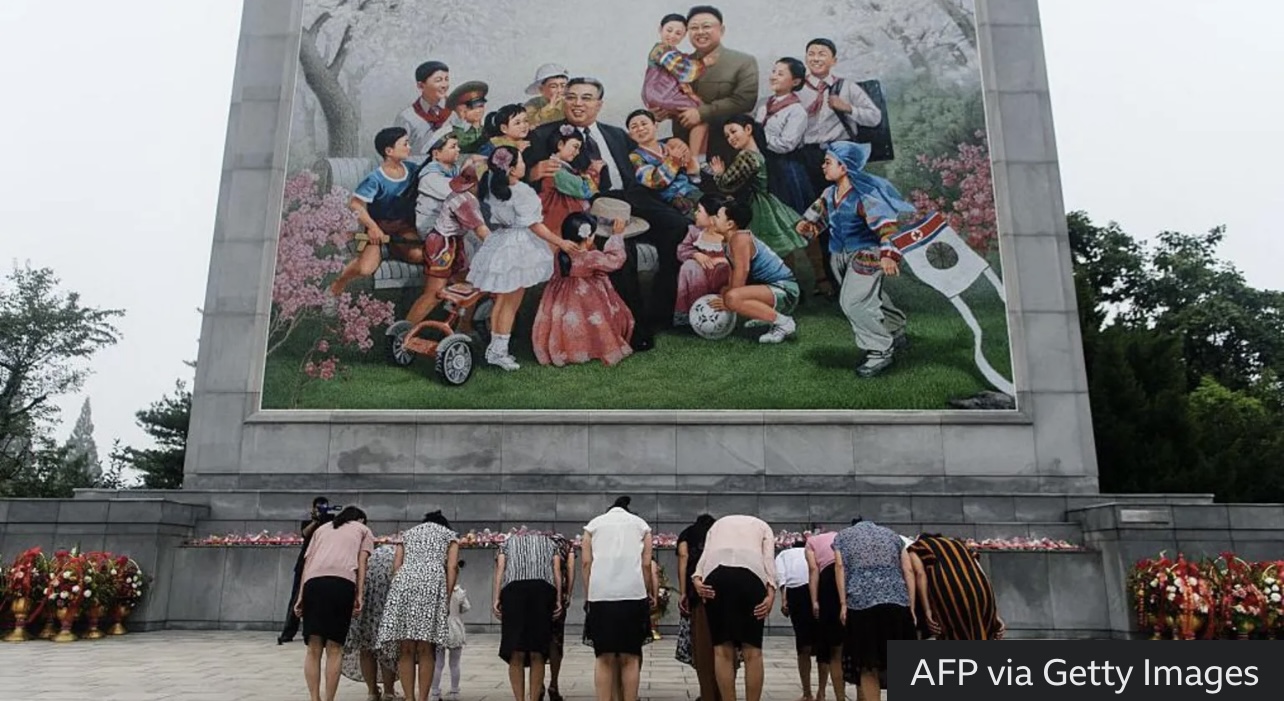
The UN report highlights that North Korea is increasingly relying on forced labor compared to ten years ago. People from disadvantaged families are often placed into so-called “shock brigades,” where they are assigned to dangerous and exhausting tasks such as construction and mining. Many workers agree to join in the hope of improving their social standing, but the conditions are unsafe and deaths are frequent. Instead of addressing these dangers, the government portrays such deaths as heroic sacrifices for Kim Jong Un. Alarmingly, the report also claims that in recent years, thousands of orphans and homeless children have been recruited into these labor programs.
This research builds on a landmark 2014 UN commission of inquiry, which first concluded that North Korea was guilty of crimes against humanity. That earlier investigation exposed severe human rights violations, particularly in the country’s political prison camps, where individuals could be detained indefinitely and often “disappeared” without trace.
The new 2025 report finds that at least four of these camps remain active. In addition, prisoners in regular detention facilities continue to face torture, abuse, and inhumane conditions. Many escapees reported witnessing inmates die from mistreatment, forced labor, and malnutrition. The UN did, however, note minor improvements, including reports of a slight reduction in violence by prison guards.
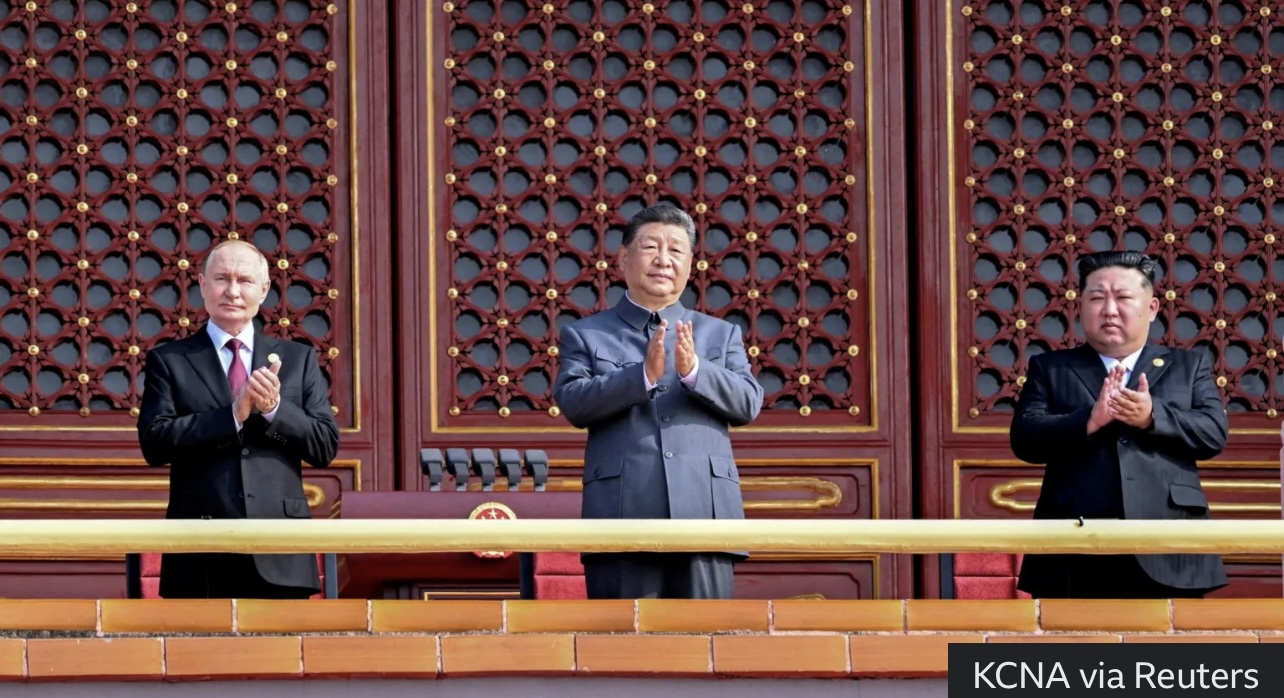
The United Nations has urged that North Korea’s human rights situation be referred to the International Criminal Court (ICC) in The Hague. However, such a referral can only happen through the UN Security Council, where China and Russia—both permanent members—have repeatedly blocked efforts to impose new sanctions on North Korea since 2019.
Recently, North Korean leader Kim Jong Un appeared alongside Chinese President Xi Jinping and Russian President Vladimir Putin at a military parade in Beijing. This joint appearance was widely seen as a sign of China and Russia’s tacit approval of North Korea’s nuclear weapons program and its ongoing treatment of citizens.
Beyond urging the global community to respond, the UN is also pressing the North Korean government itself to take concrete steps. These include shutting down its political prison camps, abolishing the death penalty, and introducing human rights education for its people.
According to UN High Commissioner for Human Rights Volker Türk, there is evidence of a strong desire for change within North Korea, particularly among younger generations who hope for greater freedoms and improvements in their lives.

 English