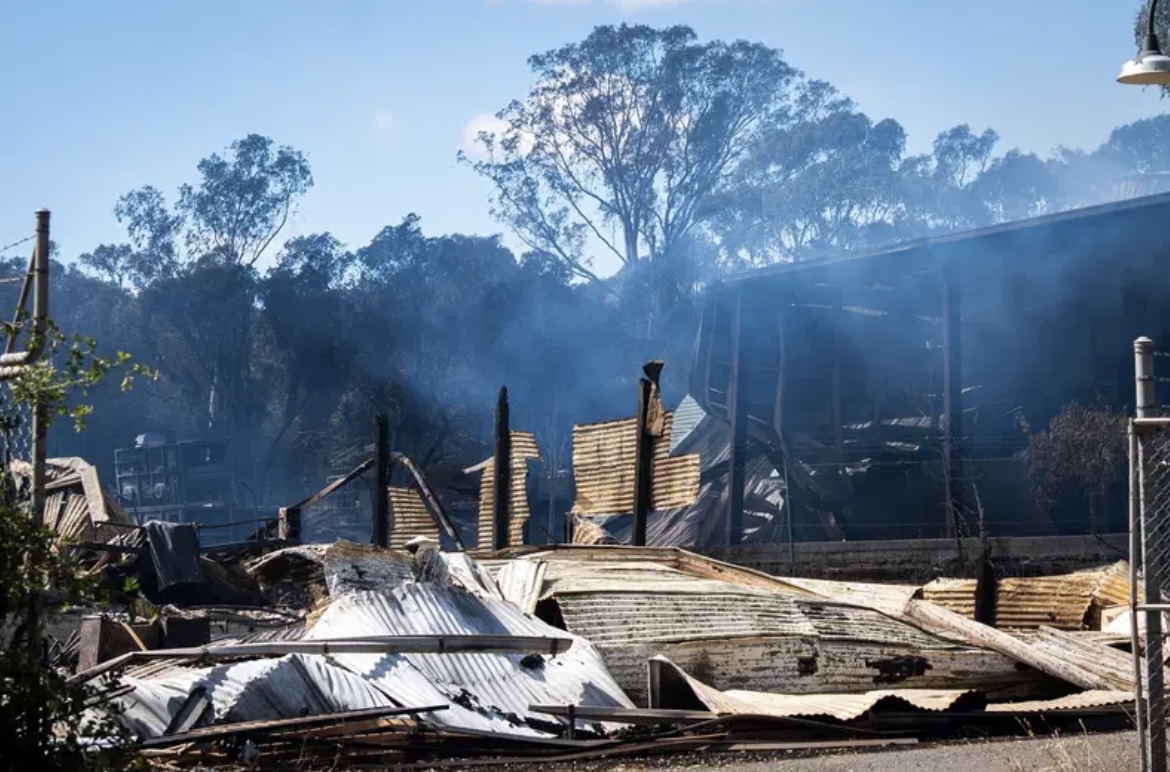
A devastating bushfire emergency has ripped through southeastern Australia, especially the state of Victoria, leaving at least one person dead and approximately 300 buildings destroyed as multiple blazes continue to burn out of control amid extreme summer conditions. The fires, fueled by very hot, dry and windy weather following a severe heatwave, have scorched more than 350,000 hectares (about 860,000 acres) of bushland, farmland and residential areas, making this one of the most destructive fire events in the region since the 2019–2020 “Black Summer” fires.
Authorities confirmed the death after human remains were found near a vehicle in the Longwood fire zone, about 110 km north of Melbourne, in an area where flames have torn through properties and forced entire communities to flee or shelter. The deceased, reported by several outlets as cattle farmer Maxwell Hobson, had been defending his land when the fire surged through the region.
The destruction has been widespread, with homes, sheds, farm buildings and other structures reduced to rubble across dozens of towns including Longwood, Natimuk, Harcourt and surrounding communities. Emergency services report that more than 350 structures have been lost so far, and the number may rise as crews assess damage in remote areas.
State and federal emergency officials have responded with large-scale operations, deploying thousands of firefighters, aerial water bombers and support personnel to battle dozens of active fire fronts. A state of emergency has been declared in Victoria, and evacuation orders were issued for residents in numerous communities at risk from shifting fire lines.
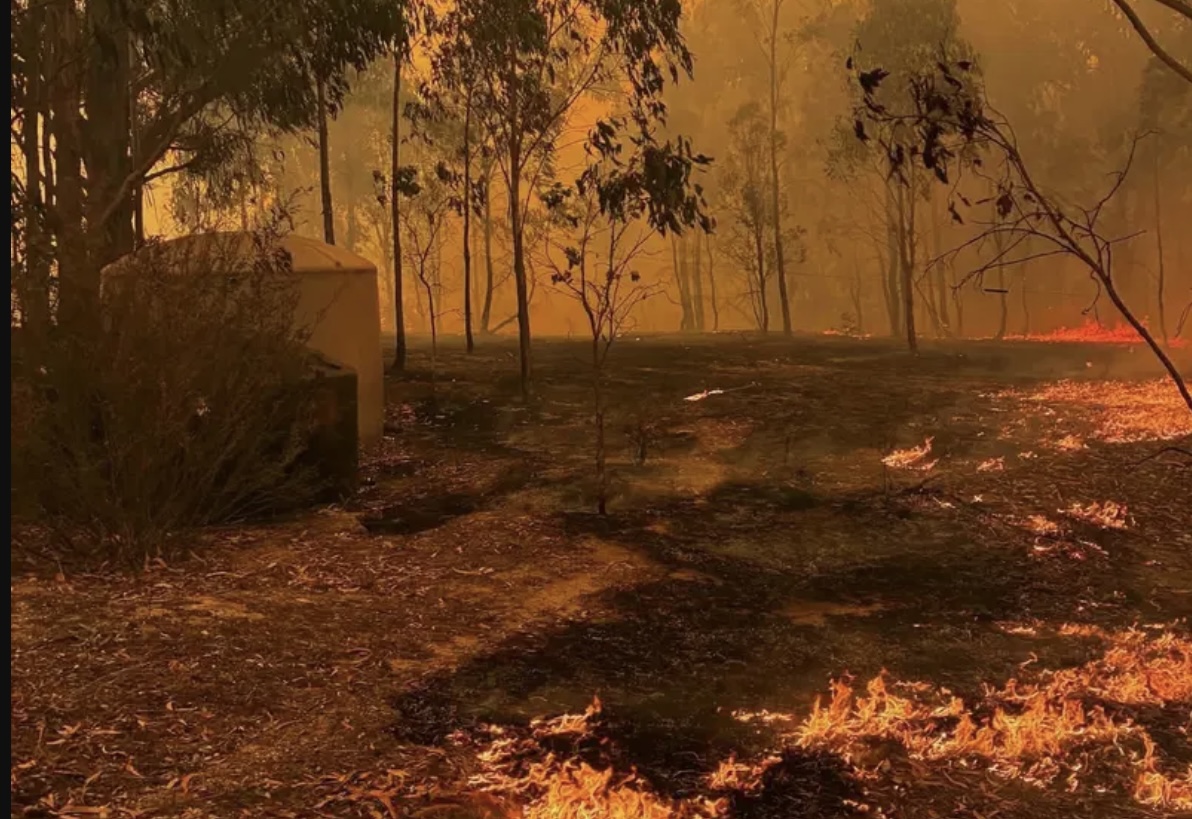
Prime Minister Anthony Albanese and Victorian Premier Jacinta Allan visited badly affected areas to pledge ongoing assistance to families and farmers. The government has announced millions of dollars in disaster relief funding, including hardship payments and support for rebuilding, livestock fodder distribution, and mental health services for those displaced by the infernos.
Weather forecasts suggest the fires could continue burning for weeks, with experts warning that volatile conditions remain and could cause further flare-ups. Authorities have maintained warnings across several regions and urged residents to remain vigilant, obey evacuation orders, and prepare for continued extreme fire danger.
The bushfire crisis has also taken a heavy toll on agriculture and local economies, with thousands of livestock lost, critical infrastructure damaged, and significant disruption to rural livelihoods. The scale of the disaster highlights the growing challenges Australia faces in managing wildfire risk as climate-driven extreme heat events become more frequent.



 English