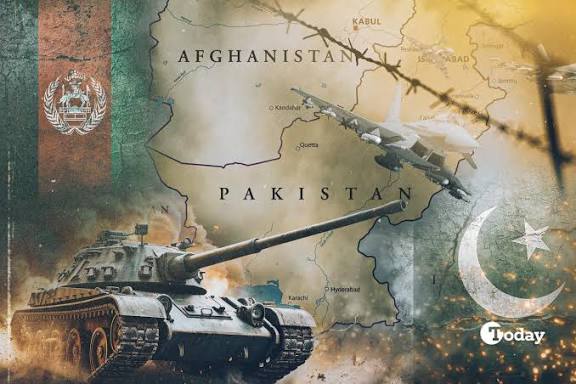
Fighting between Pakistan and Afghanistan has escalated sharply in recent days, with both sides exchanging airstrikes and artillery fire in what Pakistani officials have described as an “open war.” The surge in violence follows cross-border clashes that each government blames on the other, marking one of the most serious confrontations between the two neighbours in years.
According to Pakistani officials, the latest escalation was triggered by attacks on Pakistani border positions that Islamabad says originated from Afghan territory. In response, Pakistan launched air and artillery strikes targeting what it described as militant hideouts inside Afghanistan. Afghan authorities, led by the Taliban government, rejected Pakistan’s account and said Afghan forces were responding to Pakistani aggression and violations of their sovereignty.
At the heart of the conflict are long-standing security disputes. Pakistan has repeatedly accused Afghanistan of allowing militant groups, particularly Tehrik-e-Taliban Pakistan (TTP), to operate from Afghan soil and carry out attacks inside Pakistan. Islamabad says Kabul has failed to curb these groups despite previous commitments. Afghan officials deny harboring militants and argue that Pakistan’s security challenges are internal matters.
The violence is also rooted in the unresolved status of the Durand Line, the 2,600-kilometre border drawn during British colonial rule. Pakistan recognizes it as the official international boundary, while successive Afghan governments have disputed its legitimacy. Border fencing, military checkpoints and frequent skirmishes along this frontier have fueled tensions for decades.
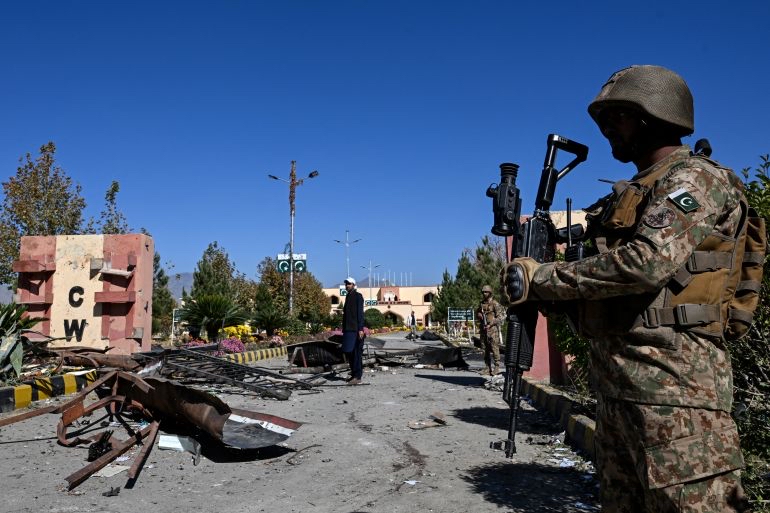
Recent attempts at dialogue and ceasefires had briefly reduced hostilities, but trust between the two sides has eroded. The current clashes have reportedly caused military and civilian casualties and forced border crossings to close, disrupting trade and movement between the two countries. Regional actors and international organizations have called for restraint and renewed negotiations to prevent the situation from spiraling further.
The immediate future remains uncertain, with both governments signaling resolve while also facing mounting diplomatic pressure to step back from broader conflict.

 English