
Qatar has moved swiftly to condemn Israel after a deadly strike in Doha, accusing Prime Minister Benjamin Netanyahu of orchestrating an attack that undermined fragile ceasefire efforts and violated the Gulf state’s sovereignty. The incident marks an unprecedented escalation of the Gaza conflict, spilling over into Qatari territory and throwing mediation efforts into disarray.
The strike, carried out on September 9 in Doha’s West Bay Lagoon district, targeted a gathering of Hamas leaders who were reportedly discussing a U.S.-backed ceasefire plan. At least six people were killed, among them five Hamas members including the son of senior figure Khalil al-Hayya and one Qatari security officer. Though several top Hamas officials survived, the strike rattled Doha and ignited outrage across the region. Prime Minister Sheikh Mohammed bin Abdulrahman al-Thani denounced the attack as “state terrorism” and accused Washington of betrayal, saying U.S. officials alerted Qatar only after the strike had already begun. He pledged that Qatar would pursue diplomatic and legal measures to hold Netanyahu personally accountable, while suspending Doha’s role in mediation talks.
Israel has defended the strike as an independent and necessary action, framing it as retaliation for recent Hamas attacks, including a shooting in East Jerusalem that killed six Israelis. Netanyahu declared the operation a legitimate blow to Hamas leadership and insisted it was essential to dismantle the group’s command structure. His government rejected suggestions that the strike undermined diplomacy, arguing instead that it served Israeli security and justice for victims of Hamas violence.
The United States has found itself caught in the fallout. President Donald Trump expressed dissatisfaction that the strike occurred on Qatari soil, given the Gulf state’s role as a close U.S. ally and host of the largest American military base in the region. American officials maintained they did not coordinate the strike, though they acknowledged receiving notification just before it began. Doha has dismissed the claim as inadequate, with officials insisting that the alert came too late to be meaningful.
International condemnation has poured in. The United Nations, European Union, and major regional powers including Saudi Arabia, Egypt, Turkey, and Iran all described the strike as a grave violation of sovereignty. U.N. Secretary-General António Guterres warned that it represented a dangerous breach of international law and risked destabilizing an already volatile region.
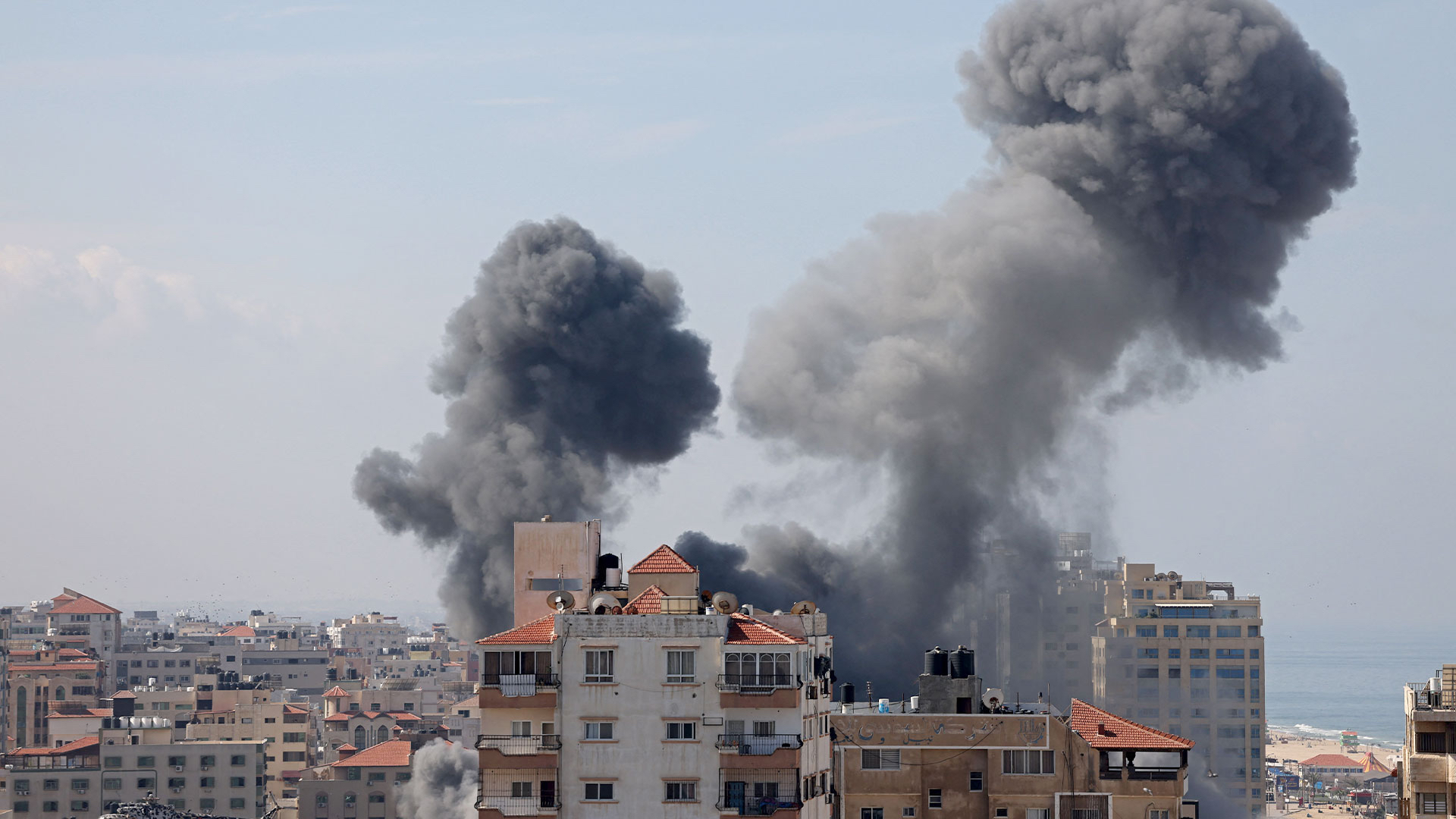
Even as the diplomatic storm unfolded in Doha, the situation in Gaza worsened. Israel continued its bombardment of Gaza City, where it has ordered more than a million residents to evacuate. Airstrikes and artillery fire have devastated neighborhoods, leaving thousands displaced and raising fears of a deepening humanitarian catastrophe. The offensive, which Israel says is aimed at eradicating Hamas infrastructure, has intensified civilian suffering and further complicated hopes for a ceasefire.
The strike on Doha has not only heightened regional tensions but also cast doubt on the future of peace efforts. With Qatar suspending its role as mediator and relations strained between Washington, Doha, and Tel Aviv, prospects for a diplomatic breakthrough appear increasingly remote. For Gaza’s residents, the conflict continues to exact a devastating toll, while the international community scrambles to contain a crisis that now stretches beyond Palestinian territory and into the heart of the Gulf.


 English